


Key Takeaways
- XRP commands a market cap of approximately $89.4B compared to Solana’s $55.1B, potentially offering SOL greater percentage growth potential
- While XRP concentrates on payment solutions and international remittance, Solana serves multiple sectors including payments, stablecoins, DeFi, and asset tokenization
- March 2026 saw Solana unveil its Developer Platform, attracting Mastercard, Worldpay, and Western Union as initial enterprise partners
- Ripple’s legal dispute with the SEC has concluded, though a $125 million penalty and restrictions on institutional token distribution persist
- Market experts generally recommend Solana for aggressive growth strategies and XRP for conservative, payment-centric portfolios
XRP and Solana represent two of the cryptocurrency market’s most closely monitored assets. However, determining which deserves your investment dollars requires more than comparing transaction speeds or market rankings. These blockchain networks serve distinctly different purposes, and their trajectories are diverging in meaningful ways.
According to CoinGecko data, XRP maintains a market capitalization hovering near $89.4 billion, while Solana commands approximately $55.1 billion. While XRP holds the dominant position in absolute terms, Solana’s smaller valuation translates to substantially greater upside potential on a percentage basis should adoption accelerate.
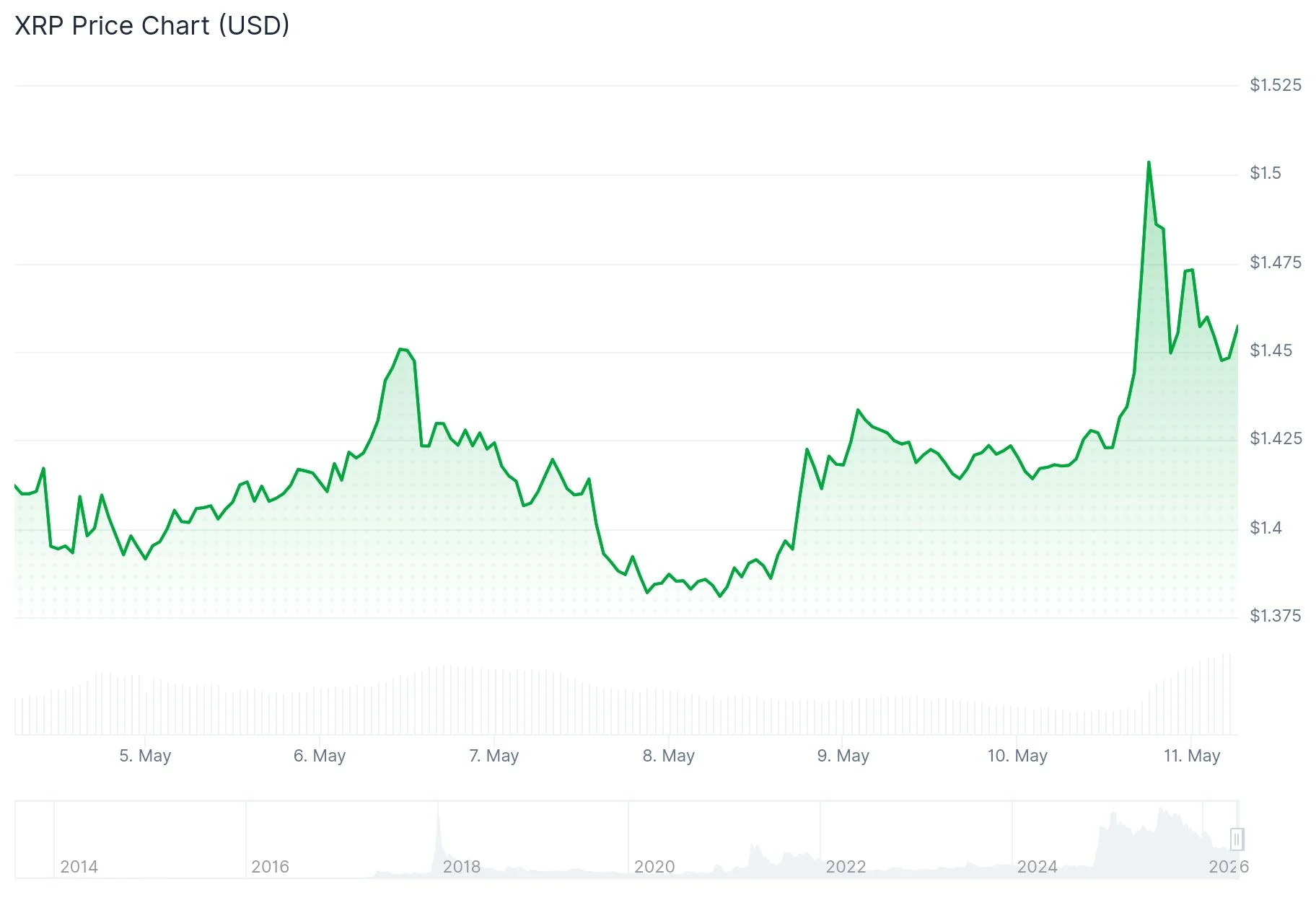
The XRP Ledger was engineered specifically for payment processing. Transactions finalize within 3 to 5 seconds at costs measured in fractions of pennies. This core competency remains compelling, particularly as Ripple expands into institutional finance, asset tokenization, and regulatory compliance infrastructure layered atop its existing network.
Ripple’s protracted legal confrontation with the Securities and Exchange Commission has officially concluded. Nevertheless, the settlement includes a $125 million financial penalty and ongoing restrictions regarding institutional token distribution. While the primary legal uncertainty has dissipated, residual complications remain unresolved.
Solana’s Multi-Sector Expansion Strategy
Solana’s development spans considerably broader territory. Its ecosystem encompasses stablecoin infrastructure, merchant payment systems, decentralized exchange protocols, tokenized real-world assets, and enterprise-grade blockchain solutions. This diversified approach provides multiple revenue streams and reduces dependency on any single market segment.

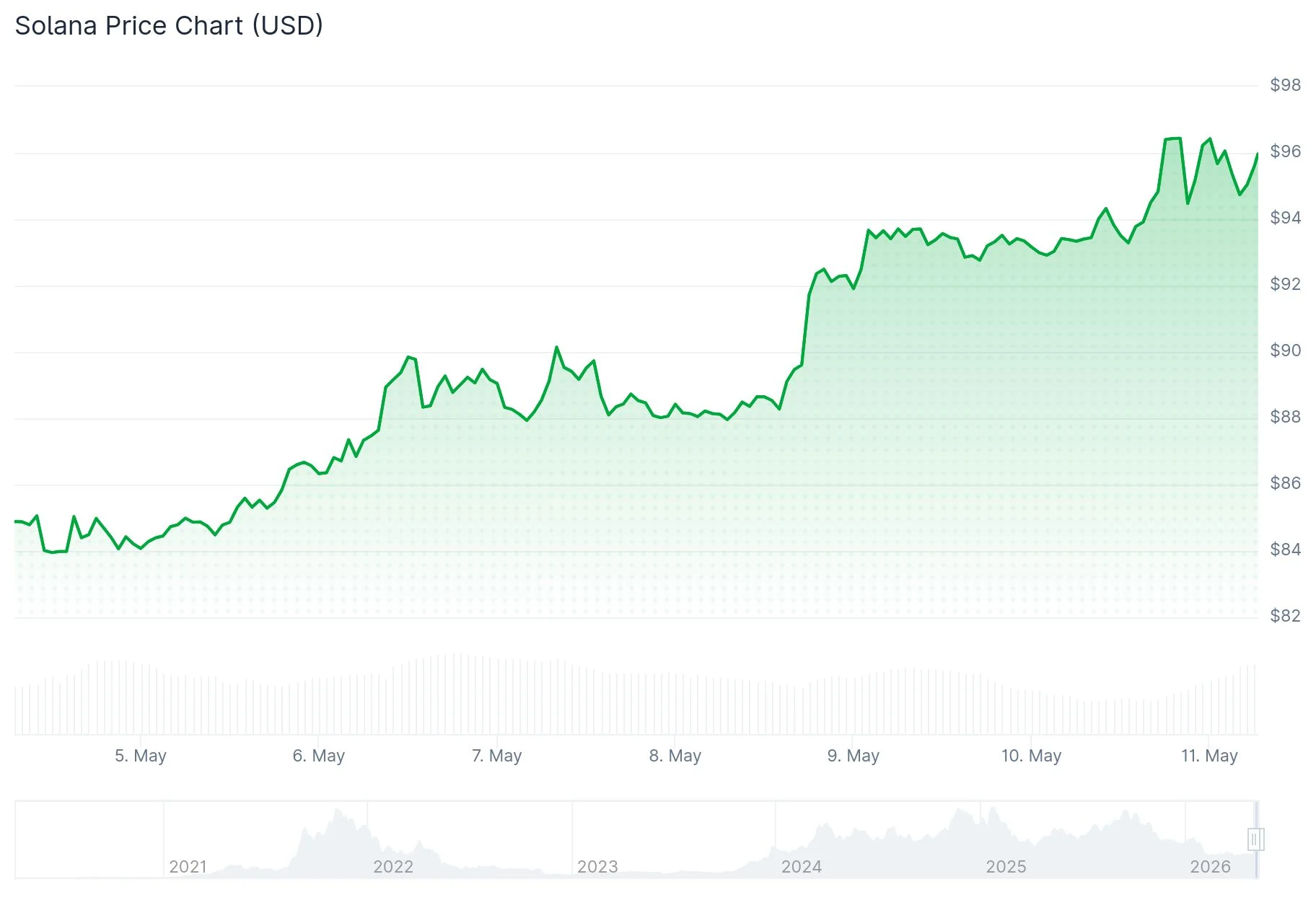
The Solana Foundation introduced its Developer Platform in March 2026, specifically designed for corporations building blockchain-powered payment and token issuance infrastructure. Major financial institutions including Mastercard, Worldpay, and Western Union have signed on as inaugural participants. This development provides concrete evidence that Solana is successfully penetrating traditional financial infrastructure rather than remaining confined to retail cryptocurrency markets.
Solana experiences gradual inflation via staking rewards, though this emission rate decreases progressively over time. Conversely, XRP’s entire token supply was minted at genesis, eliminating ongoing issuance entirely. This distinction gives XRP a superficially cleaner economic model.
However, there’s an important consideration here. While XRP presents more straightforward tokenomics documentation, Solana has demonstrated superior network usage growth and expanding real-world utility.
XRP’s Competitive Advantages
XRP maintains its position as the superior option for investors seeking pure-play exposure to payment technology. Its market positioning is unambiguous, and Ripple persistently integrates it into banking systems and international settlement networks at the institutional tier.
For traders with shorter time horizons, XRP typically demonstrates greater resilience during market downturns. It experiences less extreme volatility compared to Solana, which can register significantly sharper declines when investor risk appetite contracts.
Solana presents stronger probability of outperformance across extended timeframes, but this comes packaged with elevated price swings. Prospective investors must evaluate their tolerance for volatility before committing capital to SOL over XRP.
The most significant recent catalyst remains Solana’s March 2026 enterprise platform introduction, which successfully onboarded three prominent financial services corporations as founding participants. This development represents the clearest indicator of which asset currently captures meaningful institutional interest and adoption momentum.
Get 3 Free Stock Ebooks
Discover top-performing stocks in AI, Crypto, and Technology with expert analysis.
- Top 10 AI Stocks - Leading AI companies
- Top 10 Crypto Stocks - Blockchain leaders
- Top 10 Tech Stocks - Tech giants


