


Key Takeaways
- Micron and Sandisk stocks gained following failed Samsung labor negotiations.
- A potential Samsung work stoppage could occur between May 21 and June 7.
- Industry analysts suggest a walkout could decrease worldwide memory chip production by 3%.
- Artificial intelligence applications are intensifying constraints on high-bandwidth memory availability.
- Wall Street experts continue debating Micron’s current valuation following its significant price surge.
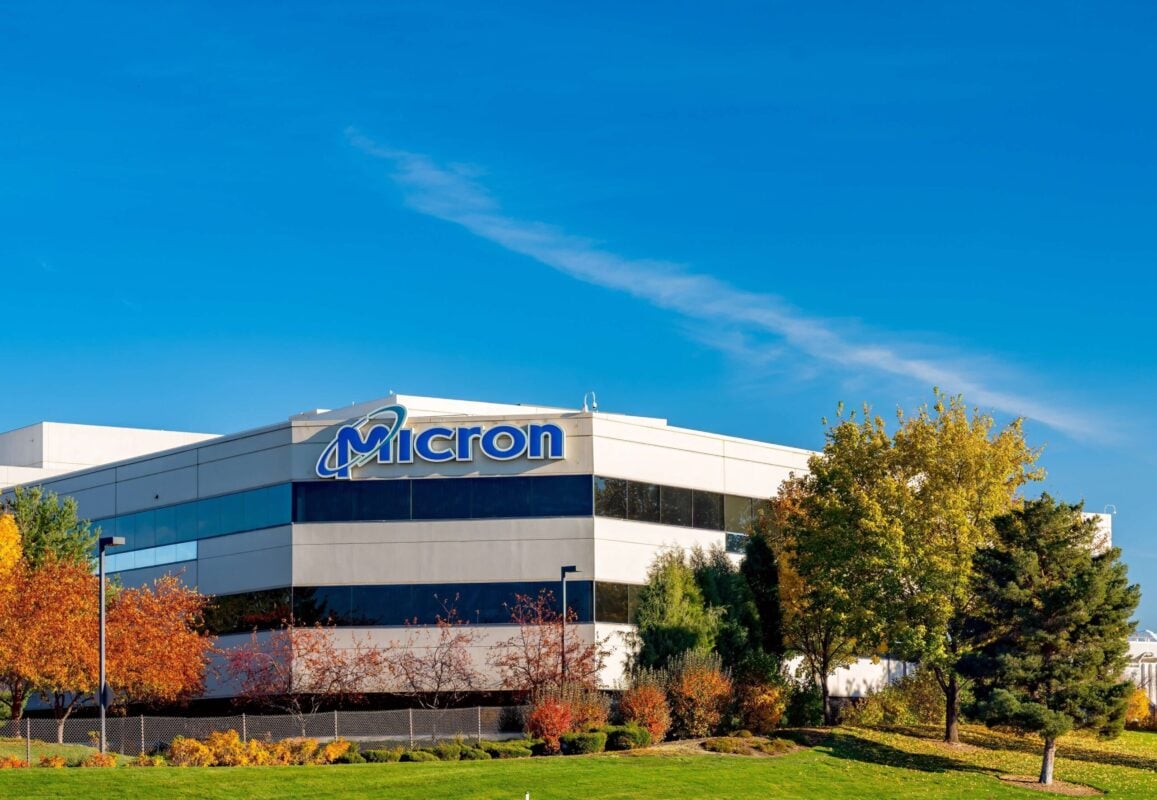
Shares of Micron experienced an uptick during Wednesday’s premarket session as investors grew increasingly concerned about potential labor disruptions at Samsung that could further constrain the already-tight global memory chip market.
Sandisk also saw its stock price rise as market participants digested news that negotiations between Samsung and its workers’ union had reached an impasse.
Employees at Samsung are pushing for enhanced profit-sharing bonuses. The union leadership is working to clear legal obstacles before initiating a comprehensive work stoppage scheduled from May 21 through June 7.
Investment bank Jefferies projects that such a labor action could trim approximately 3% from worldwide memory chip manufacturing capacity.

This possible production setback arrives at a time when semiconductor supply chains are already strained by escalating demand from artificial intelligence applications.
Micron has emerged as a primary winner in the AI infrastructure expansion, especially through its specialized high-bandwidth memory solutions that power cutting-edge machine learning systems.
Company executives have confirmed that Micron’s complete inventory of high-bandwidth memory chips for 2026 has been fully committed to customers.
Artificial Intelligence Fuels Memory Semiconductor Growth
Market participants have driven Micron’s share price significantly higher throughout the past year amid explosive revenue growth.
Micron stock has skyrocketed more than 800% during the trailing 12-month period and recently crossed the $800 threshold for the first time in its history.
Company revenues experienced nearly a threefold increase year-over-year, climbing from $8 billion during fiscal Q2 2025 to $23.8 billion in the corresponding 2026 quarter.
Micron maintains its position among a limited group of manufacturers with the technical capability to produce sophisticated high-bandwidth memory components essential for AI computing facilities.
Sandisk stands to potentially capture additional market share should Samsung encounter manufacturing interruptions, given their direct competition in the NAND flash storage segment.
SK Hynix, another major South Korean semiconductor manufacturer, experienced stock gains in domestic markets following news of the Samsung union negotiation breakdown.
Wall Street Split on Micron Share Price
Micron’s dramatic stock appreciation has triggered disagreement among financial analysts regarding whether current valuations remain sustainable.
The company’s trailing price-to-earnings multiple has expanded to approximately 35, exceeding its historical five-year average.
Certain market observers maintain a cautious stance, noting that memory chip sectors have traditionally experienced cyclical expansion and contraction patterns.
However, optimistic analysts highlight Micron’s forward-looking price-to-earnings ratio of 7.6 and PEG ratio of 0.26 as evidence that the stock retains reasonable value despite its rally.
Industry experts suggest that artificial intelligence adoption could sustain memory chip pricing strength and supply dynamics beyond previous historical patterns.
Company leadership has characterized the present market environment as a “supercycle” propelled by substantial AI infrastructure investment.
Market watchers will likely maintain close attention on Samsung labor developments, AI server deployment trends, and memory chip pricing dynamics in the weeks ahead.
Get 3 Free Stock Ebooks
Discover top-performing stocks in AI, Crypto, and Technology with expert analysis.
- Top 10 AI Stocks - Leading AI companies
- Top 10 Crypto Stocks - Blockchain leaders
- Top 10 Tech Stocks - Tech giants


