


Key Points
- Labor in New South Wales is advancing stricter regulations for gaming machines before the upcoming state election
- A freeze on new gaming machine licences forms a central component of the strategy
- High-revenue clubs generating over AU$20 million from machines will see tax increases
- Facial recognition systems would become compulsory in all gaming venues
- These state-level measures come alongside recently announced federal restrictions on gambling advertisements
New South Wales is on the brink of introducing significantly stricter regulations governing poker machines. These reforms are anticipated to form a cornerstone of the Labor Party’s policy agenda heading into the state’s next election cycle.
During NSW Labor’s yearly conference held on Sunday, the matter dominated discussions. Party delegates approved a resolution demanding concrete action on gaming machine regulation.
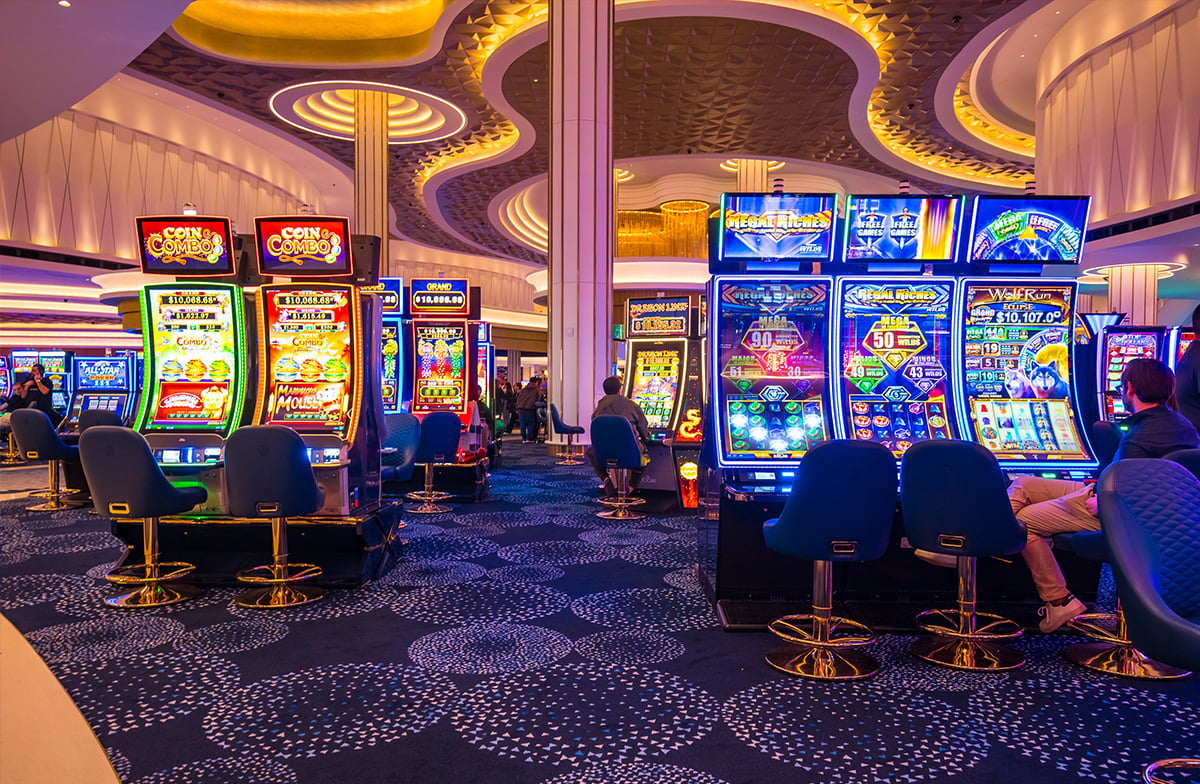
The state currently authorizes nearly 88,000 poker machines. This figure represents approximately half of Australia’s total gaming machine inventory.
The majority of these devices are distributed throughout the state’s pubs and licensed clubs. The Star Sydney casino operates 1,500 machines within its premises.
Crown Sydney remains without any poker machines, constrained by a historical exclusivity arrangement with state authorities.
Restrictions on Gaming Devices
According to reports, the proposed framework would halt the issuance of new gaming machine licences. This suspension would function as a temporary moratorium rather than a permanent prohibition.

The strategy would additionally eliminate fifty percent of machines whenever they’re transferred between establishments. Rather than relocating, these devices would be permanently decommissioned.
Venues generating profits exceeding AU$20 million annually from their gaming machines would face elevated tax rates. This measure specifically targets top-earning establishments while sparing smaller operations.
The policy framework additionally advocates for reducing the state’s total machine count by half over the coming decade. This extends beyond simply preventing new installations and seeks to substantially decrease current numbers.
Licensed venues throughout New South Wales depend substantially on gaming machine revenue. Reforms of this magnitude could significantly impact venue earnings statewide.
Biometric Identification Requirements
The comprehensive reform proposal would mandate facial recognition systems in every gaming area across New South Wales. These systems would integrate directly with the state’s exclusion database.
The exclusion database tracks individuals who have voluntarily chosen or been mandated to avoid gambling establishments. Facial recognition technology would enable real-time enforcement of these restrictions at individual venues.
This introduces an additional monitoring mechanism within gaming facilities. It extends beyond numerical machine restrictions into active, daily compliance enforcement.
Inner West mayor Darcy Byrne criticized the political establishment in NSW for its failure to adequately address poker machine issues. He argued that the gaming machine industry’s private interests have consistently taken precedence over public welfare.
His statements reflect mounting pressure within Labor ranks regarding this policy area. The reforms appear poised to become part of the party’s official electoral platform.
These state-level initiatives follow recent federal action targeting gambling promotion. Just last week, the federal Labor administration presented new legislation to parliament restricting television gambling advertisements.
The federal regulations would cap gambling advertisements at three per hour between 6 am and 8:30 pm. A complete prohibition would apply during live sporting events broadcast within that timeframe.
Get 3 Free Stock Ebooks
Discover top-performing stocks in AI, Crypto, and Technology with expert analysis.
- Top 10 AI Stocks - Leading AI companies
- Top 10 Crypto Stocks - Blockchain leaders
- Top 10 Tech Stocks - Tech giants


