


Key Highlights
- Monday’s trading session saw the Nasdaq plummet 1.5%, driven by a devastating 4.8% collapse in the semiconductor sector
- South Korea’s KOSPI suffered a catastrophic 9% decline, creating ripple effects across U.S. technology equities
- SK Hynix’s American Depositary Receipt launch proved disastrous, plunging more than 9% in its inaugural U.S. session
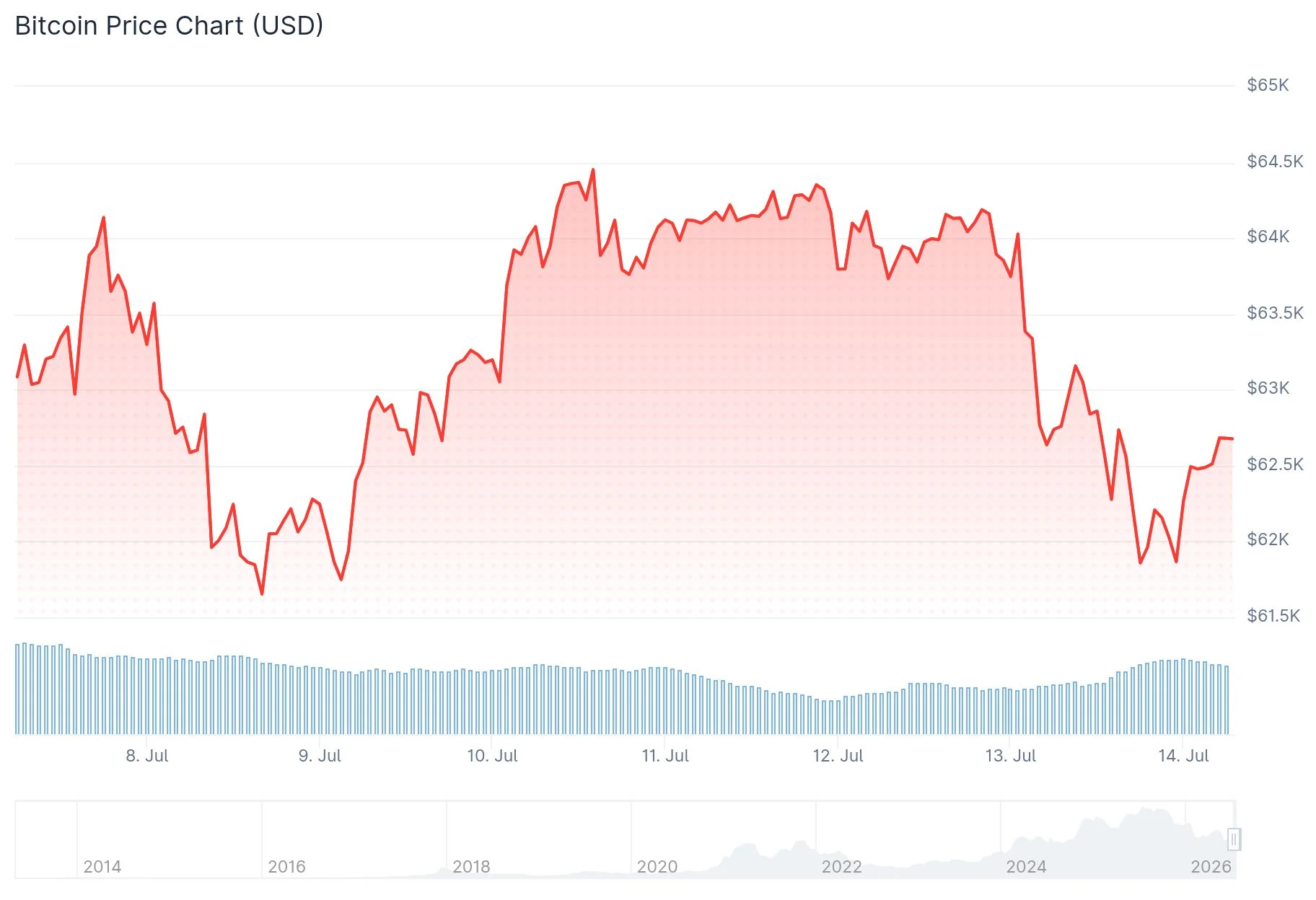
- Bitcoin tumbled over 2% to approximately $62,380 as market participants increased their July Federal Reserve rate hike probability to 50%
- Escalating petroleum costs and heightened U.S.-Iran geopolitical friction are intensifying inflation anxieties before Tuesday’s critical CPI data release
Major U.S. equity markets endured significant pressure on Monday as technology stocks, particularly semiconductors, led a broad-based retreat. Digital currencies also experienced substantial declines as market sentiment shifted toward anticipating tighter monetary policy.
The tech-focused Nasdaq Composite tumbled 1.5% by the closing bell. The broader S&P 500 declined 0.8%, while the Dow Jones Industrial Average shed 138 points, representing a 0.3% decrease. The PHLX Semiconductor Index bore the brunt of selling pressure, collapsing 4.8%.
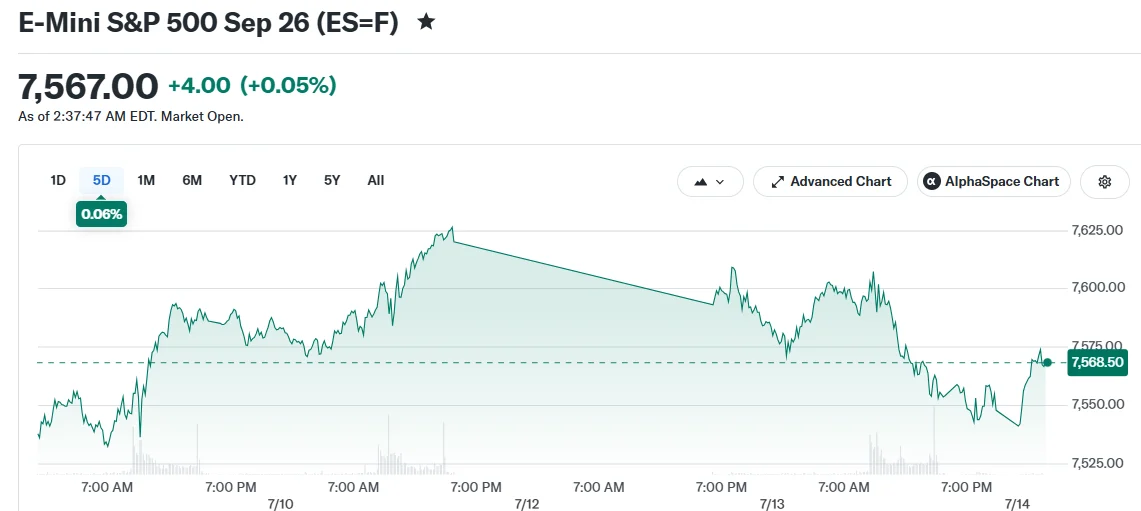
Removing technology exposure from the equation, however, revealed a considerably more stable market environment. The ProShares S&P 500 Ex-Technology ETF concluded Monday’s session essentially unchanged.
Semiconductor Sector Pummeled Following Korean Market Meltdown
The severe downturn in chip-related equities followed an extraordinary trading day in Asian markets. South Korea’s KOSPI benchmark index concluded Monday’s session down nearly 9%, transmitting tremors throughout international financial markets.
SK Hynix launched its U.S. trading presence on Monday through American Depositary Receipts. The introduction proved catastrophic. Shares plunged more than 9%, reflecting its unprecedented intraday decline on the Seoul exchange.

Memory semiconductor manufacturers had previously ranked among 2026’s top-performing equity categories. Monday’s brutal session erased a significant portion of those accumulated gains.
Additional chip-related companies declined in parallel. The industry-wide retreat illustrated the profound interconnection between American investors and international semiconductor production networks.
Digital Assets Retreat as Federal Reserve Tightening Probability Surges
Bitcoin declined more than 2% over a 24-hour period to approximately $62,380. Ethereum, XRP, and other prominent digital tokens registered comparable losses.
The cryptocurrency selloff materialized as money market instruments began pricing in approximately a 50% probability of a Federal Reserve rate increase in July. That likelihood stood at merely 10% several days earlier.
The dramatic reassessment followed public remarks from Federal Reserve Governor Christopher Waller, who indicated policymakers might need to implement rate increases to contain inflationary pressures.
The two-year U.S. Treasury yield advanced to 4.29%, reaching its most elevated level since early in the previous year. This segment of the yield curve closely tracks near-term interest rate expectations.
Accelerating petroleum prices are amplifying inflation concerns. West Texas Intermediate crude has rocketed to nearly $80 per barrel from $67 at the month’s beginning.
The oil price surge stems from intensifying U.S.-Iran geopolitical tensions. President Trump reinstated a blockade targeting Iranian vessels in the Strait of Hormuz and implemented a 20% transit fee on additional cargo navigating through the strategic waterway.
Market participants are now concentrating attention on Tuesday’s Consumer Price Index report. Economic forecasters anticipate headline CPI will register below 4% on an annual basis, which would represent the first simultaneous decline in both headline and core inflation measurements since January.
Federal Reserve Chair Kevin Warsh is additionally scheduled to deliver congressional testimony. Financial markets will scrutinize his comments for any indications regarding the monetary policy trajectory.
Analysts at ING observed that Warsh maintains flexibility to preserve current rate levels despite external pressure, and that any implemented rate increase could potentially be reversed subsequently with more substantial cuts to follow.
Get 3 Free Stock Ebooks
Discover top-performing stocks in AI, Crypto, and Technology with expert analysis.
- Top 10 AI Stocks - Leading AI companies
- Top 10 Crypto Stocks - Blockchain leaders
- Top 10 Tech Stocks - Tech giants


