


Key Points
- Legal scholar José Manssur highlights a disparity where gambling advertisements receive harsher treatment than alcohol marketing during sports broadcasts
- Brazil’s retail sector stands to lose as much as BRL 103 billion in 2024 due to consumer money shifting toward betting platforms, per CNC data
- According to Manssur, retail industry financial concerns are influencing opposition to sports betting beyond genuine public welfare considerations
- National health data from 2019 shows 63.3% of Brazilian students had tried alcohol, with 34.6% having their first drink before turning 14
- The professor advocates for uniform advertising standards that apply equally to both gambling and alcoholic beverages
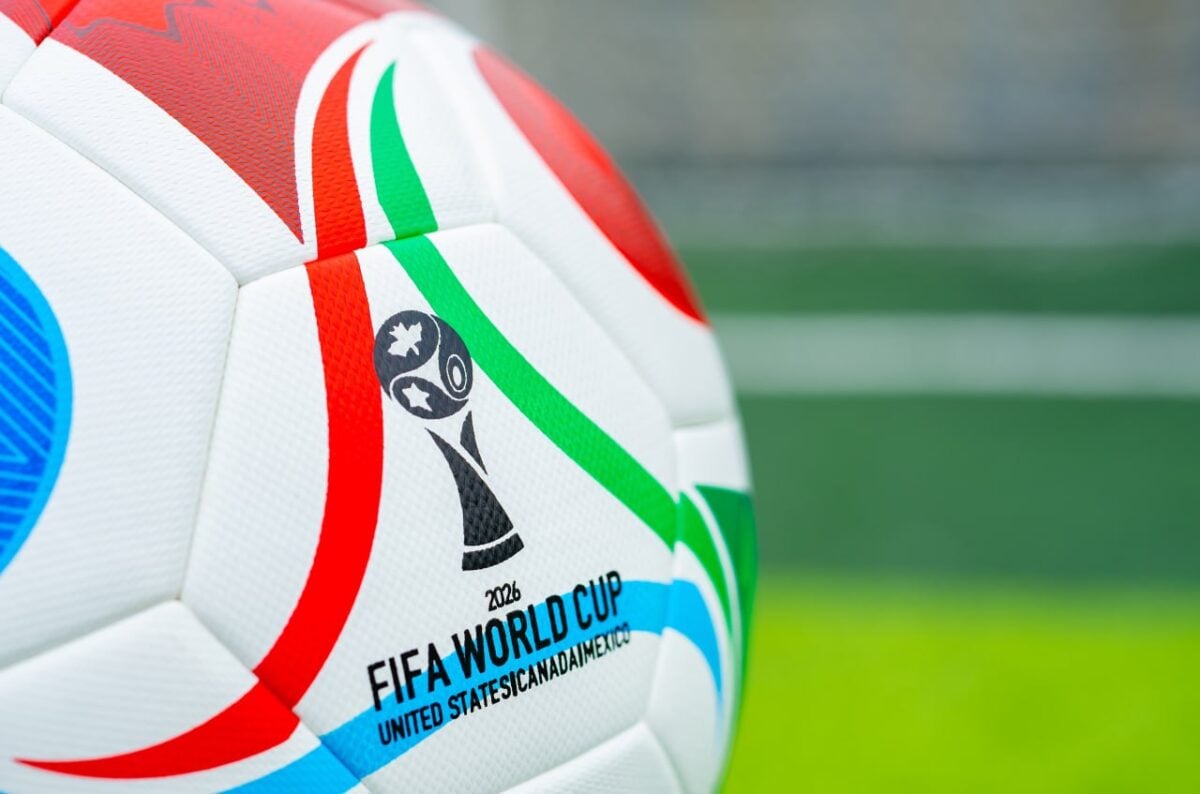
As Brazil prepares for the 2026 World Cup, a contentious discussion about sports gambling regulation has emerged. The central issue: what explains the disparity in how betting and alcohol advertisements are treated?
José Manssur, a professor specializing in sports law, has raised this very concern. In his analysis published through Poder360, he observed that alcoholic beverage companies—particularly beer brands—advertise without restriction across television and digital platforms, frequently leveraging football imagery and sponsorships. Meanwhile, gambling promotions face significantly greater public opposition.
According to Manssur, this discrepancy warrants serious consideration.
Financial Interests Driving Opposition
Manssur’s analysis extends beyond mere advertising policy. He contends that resistance to sports betting stems partly from Brazil’s traditional retail industry, which faces considerable revenue threats.
Data from the Confederação Nacional do Comércio (CNC) projects that Brazilian retailers could see up to BRL 103 billion in lost consumer expenditure during 2024 as betting platforms gain market share.
As consumers allocate funds to wagering activities, traditional retail outlets—including supermarkets, drinking establishments, and small shops—experience declining sales. This economic reality, Manssur argues, significantly motivates anti-gambling advocacy.

He further observes that betting operators and beer manufacturers are essentially competing for identical discretionary spending. Major alcohol producers, he notes, avoid directly criticizing gambling companies. Instead, opposition gets expressed through retail trade associations.
“Betting and beer compete in the same market, and the beer industry will hardly start any campaign under its name. Hence, retail appears as a safer option to blame,” Manssur said.
Health Concerns Remain Valid
Manssur doesn’t discount legitimate concerns surrounding sports gambling. He recognizes the industry warrants careful oversight and thoughtful regulation.
However, he emphasizes existing evidence documenting alcohol-related harm. Brazil’s national health infrastructure, the Sistema Único de Saúde, has extensively documented the consequences of excessive drinking throughout the nation.
The 2019 PeNSE study, a comprehensive survey of Brazilian students, revealed that 63.3% had experienced alcohol consumption. Alarmingly, more than one-third—34.6%—had their initial exposure to alcohol before reaching age 14. Additionally, 28.1% reported drinking within 30 days of participating in the survey.
These statistics, Manssur maintains, demonstrate that alcohol’s public health impact is already established and pervasive throughout Brazilian society.
Advocating for Uniform Regulations
Manssur isn’t proposing outright prohibition of advertising for either industry. Rather, his fundamental argument centers on regulatory consistency.
If protecting public health justifies restricting gambling promotions, he contends, identical standards must govern alcohol marketing.
Brazil recently enacted sports betting legislation, and regulatory agencies continue examining its societal and economic implications. The advertising policy discussion remains active and unresolved.
“If the criterion is public health, the advertisement of betting cannot be regarded as a danger to humanity, whereas advertisements about alcohol consumption are an integral part of World Cup culture,” Manssur concluded.
This debate will likely intensify as the World Cup approaches and Brazil’s betting market continues expanding.
Get 3 Free Stock Ebooks
Discover top-performing stocks in AI, Crypto, and Technology with expert analysis.
- Top 10 AI Stocks - Leading AI companies
- Top 10 Crypto Stocks - Blockchain leaders
- Top 10 Tech Stocks - Tech giants


