



Key Takeaways
- Senate defeated the CLARITY Act with a 49-50 procedural vote, failing to reach the required 60-vote threshold
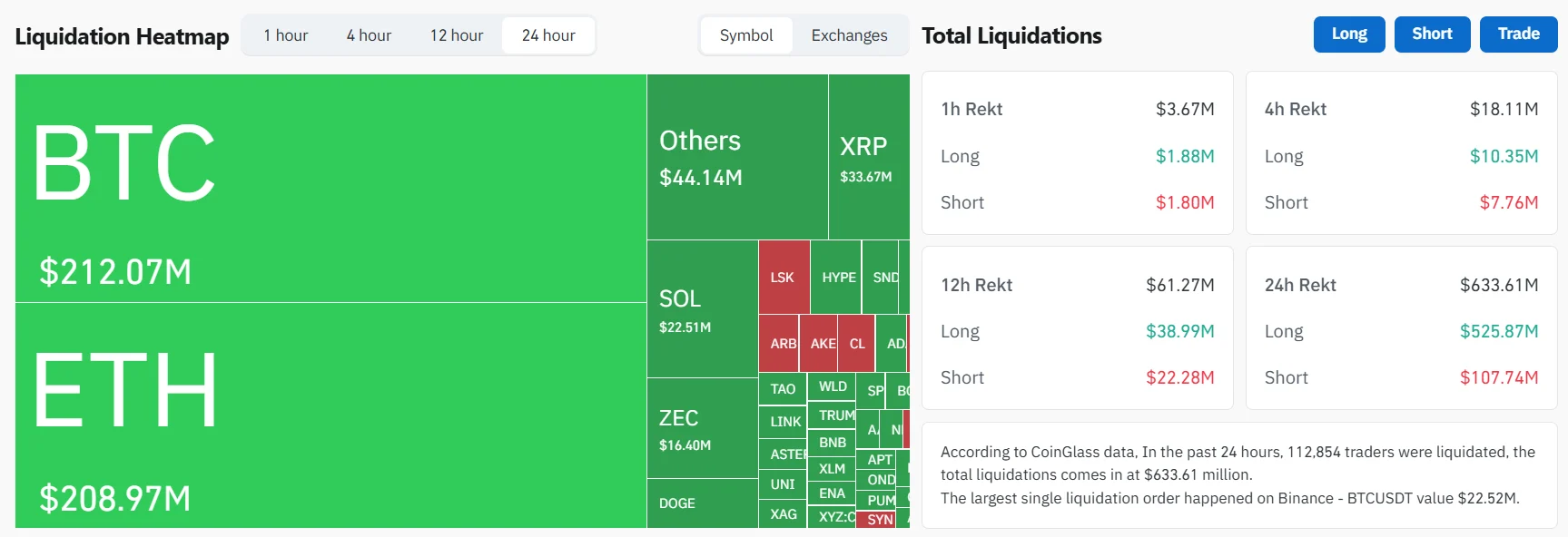
- Approximately $571 million in long crypto futures contracts were forcibly liquidated within a 24-hour period
- Bitcoin and Ethereum collectively suffered nearly $380 million in long position liquidations
- Bitcoin’s price collapsed below $75,000 following the vote results, retreating from nearly $80,000 earlier this week
- While the CFTC and SEC retain independent rulemaking authority, comprehensive legislative reform has hit a roadblock
A massive liquidation event swept through cryptocurrency markets after the U.S. Senate rejected the CLARITY Act, eliminating hundreds of millions of dollars in leveraged long positions in just hours.
The procedural vote concluded at 49-50, falling dramatically short of the 60-vote requirement necessary for advancement. The proposed legislation aimed to establish comprehensive federal guidelines for digital asset regulation and clarify oversight responsibilities for crypto exchanges and market participants.
Market sentiment had been optimistic heading into the vote. Bitcoin’s price rallied from approximately $77,000 to approach $80,000 earlier this week following indications that President Donald Trump might negotiate on the bill’s controversial ethics clauses.
The rejection triggered an immediate reversal.
Data indicates that approximately $300 million in leveraged bullish positions were forcibly closed within roughly 20 minutes of the announcement. Over the full 24-hour period, total long liquidations reached around $571 million—the largest single-day liquidation event since August 22, per CoinGlass data.

Short positions represented merely $100 million of the aggregate liquidations.
Bitcoin and Ethereum Bear the Brunt of Losses
The two largest cryptocurrencies suffered the most severe impact, with Bitcoin and Ethereum each experiencing roughly $190 million in forced long closures. XRP recorded approximately $30 million in liquidated long positions, while Solana saw around $22 million.
Market observers had identified Ethereum and decentralized finance tokens as prime beneficiaries should the legislation pass. That positioning rapidly reversed following the negative vote outcome.
Excessive leverage amplified the downturn. As Bitcoin’s price declined, exchanges initiated automatic position closures for accounts failing to maintain required margin levels. These forced sales accelerated the price decline, triggering additional liquidations in a cascading effect.
Bitcoin breached the $75,000 level after the Senate vote and was hovering near $75,700 at press time.
Additional Headwinds Compounding Bitcoin’s Struggles
Legislative setbacks weren’t Bitcoin’s sole challenge. Treasury yields approaching 5%, rising oil prices, and anticipation of hawkish Federal Reserve monetary policy had been constraining prices for days.
These macroeconomic pressures had already prevented Bitcoin from sustaining levels above $82,000 in recent trading sessions.
The legislative defeat introduced fresh bearish momentum during an already precarious period.
Both regulatory agencies maintain authority to pursue independent rulemaking initiatives, but prospects for comprehensive crypto legislation passing through Congress appear diminished in the immediate future.
For market participants maintaining leveraged exposure, Bitcoin must find support between $75,000 and $76,000. Additional downside could expose lower technical support zones, particularly if Treasury yields remain elevated.
The acute damage from this liquidation cascade has already materialized.
Get 3 Free Stock Ebooks
Discover top-performing stocks in AI, Crypto, and Technology with expert analysis.
- Top 10 AI Stocks - Leading AI companies
- Top 10 Crypto Stocks - Blockchain leaders
- Top 10 Tech Stocks - Tech giants


