


Key Takeaways
- Major U.S. carriers including American, United, Delta, and Southwest rallied 3%–4% in pre-market trading following the U.S.-Iran peace framework announcement
- The critical Strait of Hormuz shipping lane will reopen after being closed for over 16 weeks, alleviating global oil supply pressures
- Brent crude prices tumbled 4.6% to approximately $83.30 per barrel in response to the diplomatic breakthrough
- Industry forecasters at IATA projected airline fuel expenses could surge to $350 billion in 2026, compared to $252 billion in 2025
- Technology stocks and precious metals mining companies posted stronger gains than airlines in early trading despite airlines standing to benefit most directly
Shares of major U.S. airlines surged in overnight trading following the announcement of a peace framework between the United States and Iran, sparking optimism that the industry’s crushing fuel cost burden may finally begin to moderate after a difficult 2026.
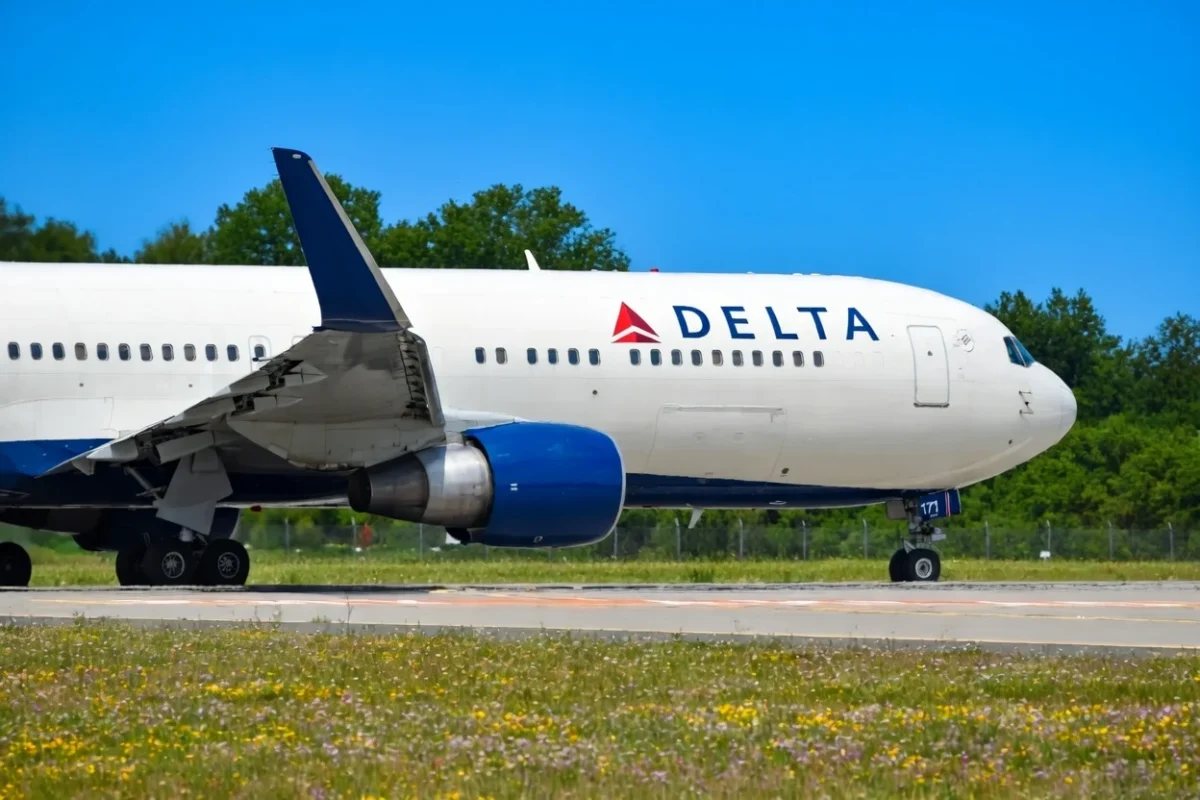
American Airlines, United Airlines, Delta Air Lines, and Southwest Airlines each posted gains ranging from 3% to 4% in pre-market activity on Monday. The rally came after President Donald Trump announced the lifting of the U.S. naval blockade and confirmed the imminent reopening of the Strait of Hormuz to commercial shipping.
American Airlines Group Inc., AAL
The strategically vital waterway had remained shuttered for more than 16 weeks amid escalating tensions between Washington and Tehran. As a critical chokepoint for global petroleum transport, its closure contributed to sustained upward pressure on fuel prices throughout the year.
Brent crude futures declined 4.6% to approximately $83.30 per barrel in the wake of the diplomatic development. West Texas Intermediate contracts similarly retreated. Given that jet fuel represents one of the largest line items in airline operating budgets, any meaningful and sustained reduction in crude prices would translate directly into improved profit margins for carriers.

Industry Faces Profitability Headwinds
The commercial aviation sector began 2026 with robust passenger traffic but has faced intense margin pressure from escalating fuel expenses. The International Air Transport Association (IATA), representing global airlines, recently downgraded its industry profitability projections. The organization now forecasts fuel expenditures will reach approximately $350 billion this year, representing a significant increase from $252 billion in 2025. This would constitute nearly one-third of the industry’s total operating costs.
IATA Director General Willie Walsh noted that carriers have attempted to mitigate higher costs through fare increases and operational efficiency improvements, but these measures have proven insufficient to maintain previous year profitability levels. Despite these challenges, total industry revenue is still projected to reach $1.17 trillion in 2026.
Several prominent U.S. airlines have already adjusted their financial guidance downward. United Airlines reduced its full-year earnings projection to an adjusted range of $7 to $11 per share, significantly below its earlier forecast of $12 to $14. American Airlines took even more dramatic action, slashing its 2026 earnings outlook in April and cautioning that the year could conclude with a net loss.
Southwest and Delta have maintained their existing guidance for the time being, though both carriers have emphasized that achieving those targets remains contingent on fuel price trajectories and revenue performance.
Other Sectors Outperform
Interestingly, despite airlines representing the most obvious beneficiaries of the peace agreement, they were not the strongest performers in pre-market trading. Technology names including Micron[[/LINK_END_4]], Super Micro Computer, Western Digital, and Sandisk all posted larger percentage gains. Gold mining giant Newmont also advanced as precious metal prices climbed nearly 3%.
AJ Bell investment director Russ Mould observed that market participants rapidly rotated capital away from energy, defense, and telecommunications stocks toward higher-beta, economically sensitive sectors. Cruise line operators including Royal Caribbean, Carnival, and Norwegian Cruise Line each gained between 3% and 4%.
The U.S. Global JETS ETF, which provides exposure to airline equities, had already appreciated 20% since early April prior to Monday’s trading session. United, Delta, and Southwest have each climbed between 10% and 19% year-to-date. American Airlines has declined slightly more than 2% over the same period.
Should the interim agreement evolve into a permanent peace settlement and the Strait of Hormuz remain operational, market analysts suggest the fundamental outlook for airline equities could strengthen considerably during the latter half of 2026.
Get 3 Free Stock Ebooks
Discover top-performing stocks in AI, Crypto, and Technology with expert analysis.
- Top 10 AI Stocks - Leading AI companies
- Top 10 Crypto Stocks - Blockchain leaders
- Top 10 Tech Stocks - Tech giants


