


Key Highlights
- Waymo debuts proprietary ASIC chip delivering over 1,000 TOPS for autonomous vehicle processing
- Custom silicon manufactured via TSMC’s 5nm process, cutting dependency on Nvidia and AMD hardware
- New Ojai robotaxi, based on Zeekr minivan chassis, available to all users in San Francisco, Phoenix, and Los Angeles
- Sixth-generation autonomous system powers Ojai fleet, featuring integrated Gemini AI assistant from Google
- Chinese manufacturing incurs additional tariff expenses, despite final assembly in Arizona facilities
Alphabet’s autonomous vehicle division, Waymo, has introduced proprietary silicon designed specifically for its self-driving taxi operations. Thursday’s announcement highlighted how this custom chip enhances the fleet’s capability to handle intricate urban driving scenarios.
This application-specific integrated circuit (ASIC) focuses exclusively on autonomous driving tasks rather than general computing functions. According to Waymo, the processor executes over 1,000 trillion operations per second, matching performance levels seen in Nvidia’s autonomous vehicle solutions.
Previously, Waymo depended on third-party processors from manufacturers like Nvidia and AMD. This proprietary solution enables faster sensor data interpretation and powers the artificial intelligence models that allow vehicles to perceive and react to their surroundings.
Taiwan Semiconductor Manufacturing produces the chip using its 5-nanometer fabrication technology. Though not TSMC’s most advanced node, this process remains a standard choice among leading technology firms.
Next-Generation Robotaxi Enters Service
Simultaneously, Waymo has made its latest robotaxi model, dubbed Ojai, accessible to the general public in three major markets: San Francisco, Phoenix, and Los Angeles. These new vehicles will feature the recently developed custom processor.
Built on a minivan chassis from Zeekr—a subsidiary of Chinese automotive giant Geely Holding Group—the Ojai represents years of collaborative development since the partnership began in 2021.

Zeekr delivers base vehicles to the United States stripped of Chinese connectivity systems. Waymo then equips them with autonomous driving technology at its Arizona integration facility.
Each Ojai vehicle incorporates Waymo’s sixth-generation self-driving platform, engineered for cross-platform compatibility. The interior has been completely redesigned and features Google’s Gemini artificial intelligence serving as a conversational assistant for passengers.
Approximately 300 Ojai units currently operate within Waymo’s commercial service. Passengers requesting rides in these three cities may be assigned to this new vehicle type.
Financial Pressures and Geographic Growth
Expansion plans call for bringing the Ojai to Denver, Las Vegas, and San Diego in the coming months. Waymo’s robotaxi service currently operates across 11 American cities.
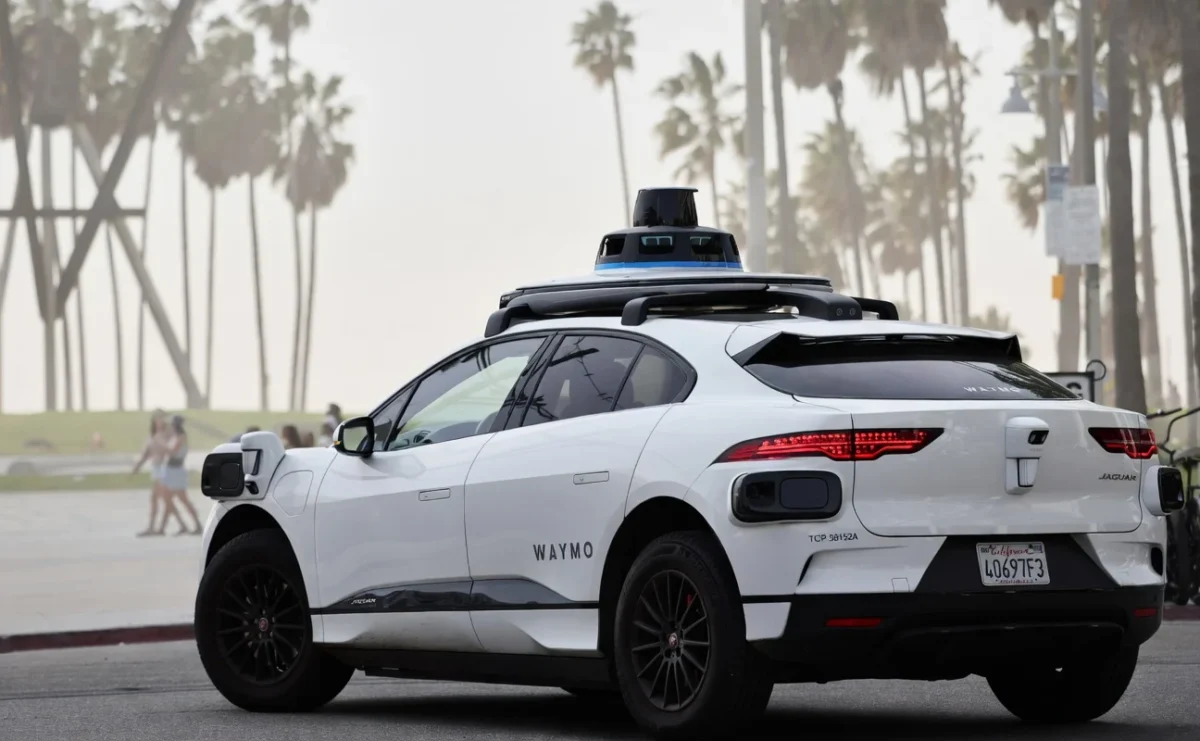
Compared to the Jaguar I-Pace models that have formed Waymo’s fleet backbone for several years, the Ojai promises lower production, operational, and maintenance expenses. These economies are critical as Waymo works toward achieving profitability at scale.
Nevertheless, tariffs imposed on Chinese-manufactured vehicles have inflated the import cost of each Ojai unit. This creates additional financial challenges for Waymo’s cost optimization strategy.
Waymo maintains its position as America’s dominant robotaxi provider, outpacing competitors such as Tesla and Amazon-backed Zoox. The pairing of a purpose-designed vehicle platform with proprietary processing hardware signals a strategic pivot toward vertical integration.
This chip development also aligns with Alphabet’s comprehensive initiative to design custom silicon for artificial intelligence workloads. Waymo’s processor program reinforces this broader corporate objective to minimize reliance on external semiconductor vendors.
Get 3 Free Stock Ebooks
Discover top-performing stocks in AI, Crypto, and Technology with expert analysis.
- Top 10 AI Stocks - Leading AI companies
- Top 10 Crypto Stocks - Blockchain leaders
- Top 10 Tech Stocks - Tech giants


