


Key Takeaways
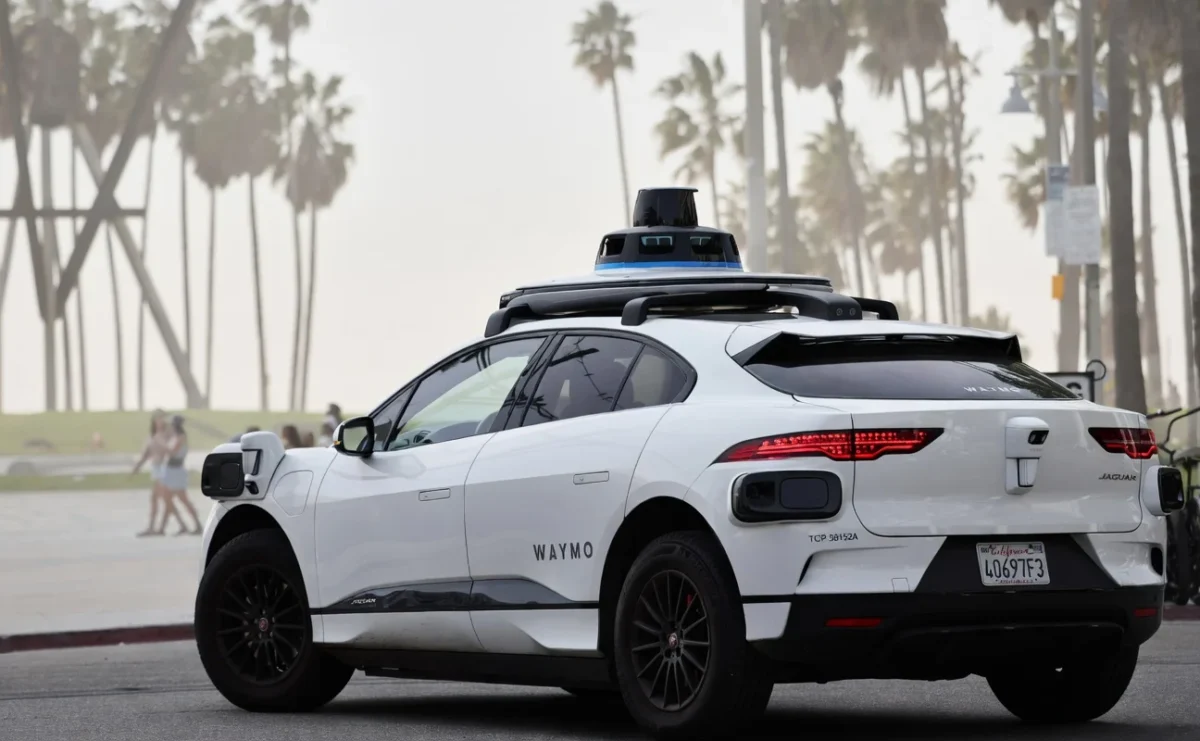
- Waymo debuts autonomous taxi operations in Las Vegas, entering its first market in Nevada
- Initial Nevada deployment features several dozen vehicles powered by Waymo’s latest sixth-generation autonomous driving technology
- Company announces plans for 2027 commercial rollout of fully autonomous taxis in Tokyo, Japan
- Japanese operations will collaborate with ride-hailing platform GO and transportation provider Nihon Kotsu
- Alphabet shares up 11.8% year-to-date, with Wall Street analysts projecting 21.9% additional upside
Waymo, Alphabet’s autonomous vehicle division, is accelerating its geographic footprint with strategic expansions into Nevada and Asia. The company revealed dual initiatives to bring its self-driving taxi service to Las Vegas and Tokyo, broadening its reach beyond its current U.S. operational zones.
The Nevada expansion represents Waymo’s inaugural entry into the state’s market. The deployment begins with several dozen autonomous vehicles, with plans to expand the fleet progressively based on demand and operational performance.
Prior to Waymo’s arrival, Las Vegas had welcomed just one commercial robotaxi provider. Amazon’s autonomous vehicle subsidiary Zoox initiated paid passenger services in the city last month, establishing itself as the pioneer in that territory.
The Las Vegas fleet utilizes Waymo’s most advanced sixth-generation autonomous driving platform. These vehicles are constructed using Zeekr’s automotive foundation and carry the Ojai brand designation.
Following a February funding round that brought in $16 billion, Waymo achieved a $126 billion valuation. The autonomous driving leader now facilitates over 500,000 self-driving journeys weekly throughout its American operational areas.
Recent weeks saw Waymo unveil additional growth initiatives targeting Denver, San Diego, and Tampa, complementing its established networks in California, Texas, Florida, and Arizona.

Japan Market Entry Set for 2027
In a significant international move, Waymo is preparing to introduce autonomous taxi services to Tokyo by 2027, marking what would be Japan’s inaugural commercial driverless transportation offering.
The Japanese venture involves strategic alliances with GO, a leading ride-hailing application operator, and Nihon Kotsu, an established taxi service provider. The initial deployment will feature a modest fleet size, with expansion plans targeting approximately 100 vehicles.
Since 2025, the partnership has conducted extensive autonomous vehicle trials on Tokyo’s streets. These tests have concentrated on refining the technology for Japan’s distinctive urban challenges, including narrow roadways and congested traffic patterns.
Current Japanese transportation regulations mandate human presence in the driver’s position, regardless of vehicle autonomy capabilities. The projected 2027 launch timeline hinges on obtaining necessary regulatory clearances.
Japanese consumers will access Waymo’s autonomous vehicles via both GO and Waymo’s mobile applications. Nihon Kotsu will oversee ground-level operations while GO facilitates integration with Japan’s broader taxi infrastructure.
Japan’s demographic challenges, including workforce contraction and taxi driver shortages, position the country as a potentially lucrative market for autonomous transportation solutions.
Competitive Landscape Intensifies
Waymo faces increasing competition in its global expansion efforts. American startup Nuro has initiated vehicle testing in Tokyo through collaborative agreements with Uber and Lucid Group. Nuro’s investor base includes Nvidia and Toyota.
Within the domestic market, Amazon’s Zoox continues to present competitive pressure, while Tesla advances its proprietary self-driving vehicle initiatives.
According to Wall Street consensus tracked by TipRanks, Alphabet maintains a Strong Buy rating, supported by 24 Buy recommendations and four Hold ratings. Analysts’ average price target of $425.88 suggests potential upside of 21.9% from current trading levels.
Through the most recent trading session, Alphabet stock has appreciated 11.8% during the current year.
Get 3 Free Stock Ebooks
Discover top-performing stocks in AI, Crypto, and Technology with expert analysis.
- Top 10 AI Stocks - Leading AI companies
- Top 10 Crypto Stocks - Blockchain leaders
- Top 10 Tech Stocks - Tech giants


