


TLDRs:
- American Airlines faces a $1.6 billion fuel challenge impacting investor confidence.
- Revenue growth remains strong, but earnings lag behind major airline competitors.
- Fuel costs threaten margins as fares struggle to adjust quickly.
- Investors now focus on American’s ability to restore profitability.
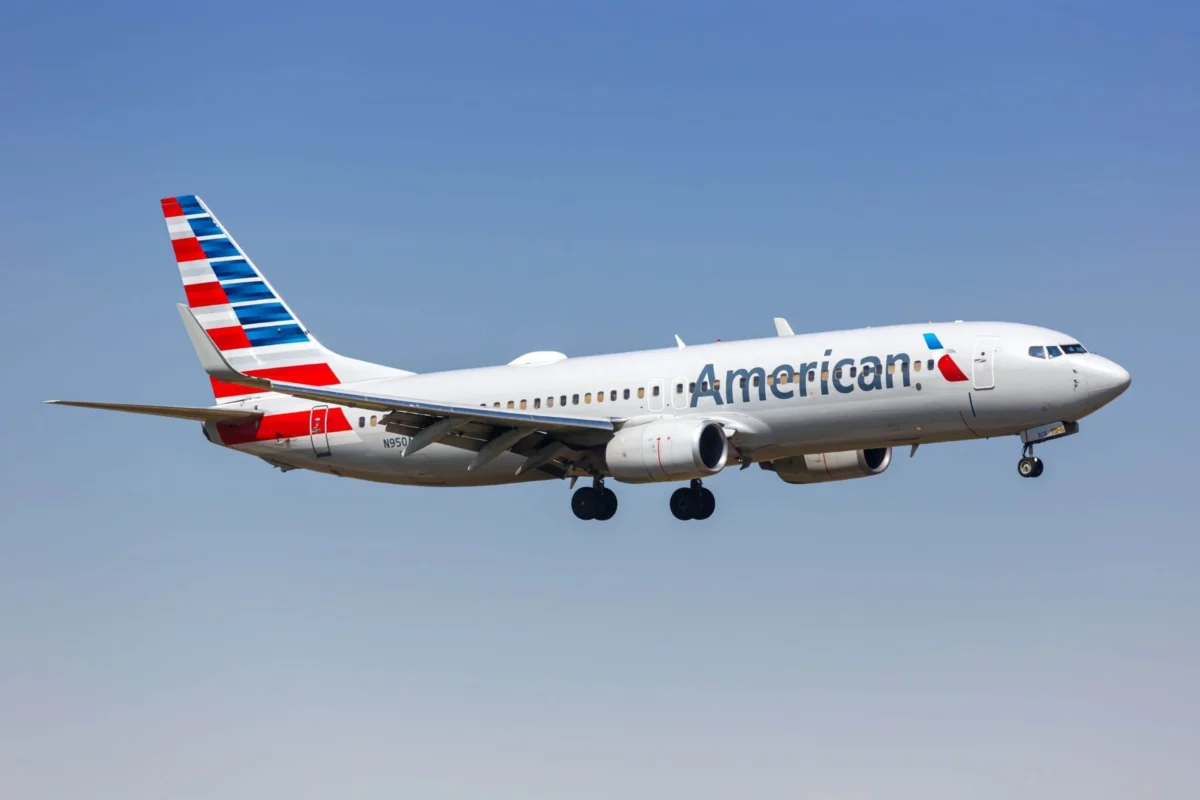
American Airlines Group Inc. (NASDAQ:AAL) enters the new trading week facing a major profitability challenge as rising fuel expenses create a $1.6 billion financial reset, equivalent to nearly 16% of the company’s recent market value.
The airline’s latest challenge highlights a growing divide between operational growth and shareholder returns. While American continues to deliver strong revenue expansion, investors remain concerned that higher costs are preventing that growth from translating into stronger earnings.
American Airlines shares closed Friday at $15.27, declining 1% during the session but gaining 5.5% over the previous five trading days. Despite the recent recovery, the stock remains below its early July peak, reflecting continued uncertainty over the company’s earnings trajectory.
American Airlines Group Inc., AAL
Fuel Costs Pressure Margins
The central issue for American Airlines is the speed at which fuel expenses are rising compared with ticket pricing. Fuel prices can move immediately, while airlines typically require more time to adjust fares and offset higher operating costs.
The company’s estimated increase in fuel expenses since early July represents approximately $1.6 billion, or about 15.8% of its Friday market capitalization. A separate estimate places the increase in third-quarter fuel costs compared with the previous year at roughly $1.7 billion.

That cost pressure arrives despite American reporting record quarterly revenue of $16.7 billion. The company’s adjusted earnings, however, remained limited at just $0.15 per share, raising questions about whether revenue growth alone can support a stronger valuation.
Earnings Gap Widens
American’s financial performance has fallen behind competitors despite similar revenue growth rates.
Delta Air Lines Inc. and United Airlines Holdings Inc. have generated significantly stronger earnings per share figures, creating a noticeable gap among major U.S. carriers. American reported second-quarter revenue growth of 16.3%, slightly above Delta and comparable with United, yet its adjusted earnings were substantially lower.
The difference has become a key focus for investors evaluating airline stocks. American’s 2026 adjusted earnings outlook remains uncertain, with expectations ranging from a loss of $0.65 per share to a profit of $0.65 per share.
By comparison, Delta and United maintain much stronger earnings expectations, reinforcing concerns that American’s cost structure may limit its ability to convert demand growth into profits.
Demand Strength Faces Risks
American Airlines executives have pointed to several positive operating trends. Chief Executive Robert Isom said revenue performance has exceeded earlier expectations, while managed corporate revenue increased 26%. Premium passenger revenue also recorded double-digit growth, showing continued strength among higher-value travelers.
However, investors are watching whether those gains can offset rising fuel expenses and other industry-wide pressures.
The airline industry is entering a period where fuel prices, travel demand, and capacity decisions could determine future profitability. A recent OPEC+ decision to increase production by 188,000 barrels per day in September introduced another variable into energy markets, though the announcement occurred after U.S. markets closed.
Oil market data and broader economic indicators will provide additional signals in the coming days. Investors are particularly focused on whether fuel prices stabilize or continue adding pressure to airline margins.
Profit Recovery Remains Key
American Airlines expects third-quarter revenue growth between 16% and 19%, but the company continues to forecast an adjusted loss ranging from $0.10 to $0.70 per share.
The company’s near-term outlook will depend on whether pricing power improves faster than fuel expenses rise. A decline in crude oil prices could provide meaningful relief, while weaker demand or additional operational disruptions could create further challenges.
Weather-related travel disruptions, route suspensions, and international schedule changes remain additional risks that could affect results. American has already issued travel waivers linked to Northeast weather conditions and wildfire impacts.
For investors, the primary question has shifted away from whether American can grow revenue. The airline has already demonstrated demand strength. The bigger issue is whether management can restore margins and close the profitability gap with industry peers.
American Airlines’ stock recovery will likely depend on one critical factor: proving that higher sales can eventually overcome the company’s growing fuel burden.
Get 3 Free Stock Ebooks
Discover top-performing stocks in AI, Crypto, and Technology with expert analysis.
- Top 10 AI Stocks - Leading AI companies
- Top 10 Crypto Stocks - Blockchain leaders
- Top 10 Tech Stocks - Tech giants


