


Key Points
- Apple seeks approval to incorporate Chinese-made memory chips into products distributed internationally, citing supply constraints and cost pressures
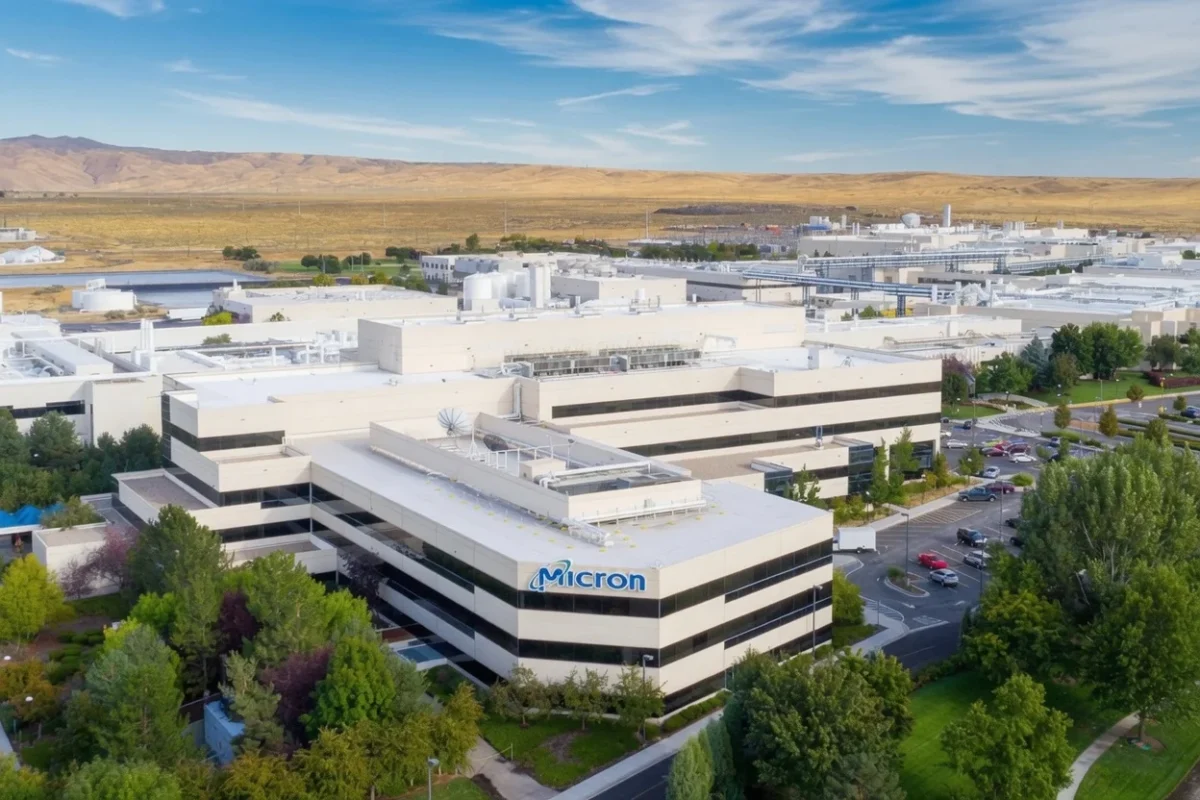
- Micron Technology, America’s sole major memory chip manufacturer, is fighting the proposal through intensive lobbying efforts
- The cost of memory chips has surged fourfold in the last twelve months due to explosive AI infrastructure demand
- Pentagon has labeled both Chinese manufacturers in question — CXMT and YMTC — as military-linked entities
- The administration faces a policy dilemma: reducing costs for consumers versus safeguarding American semiconductor capabilities
A high-stakes confrontation is unfolding that forces both Apple and the White House to navigate conflicting objectives.
Tim Cook, Apple’s chief executive, has engaged in discussions with key Trump administration figures, including Commerce Secretary Howard Lutnick and Treasury Secretary Scott Bessent. The goal: securing authorization to source memory components from ChangXin Memory Technologies and Yangtze Memory Technologies, both based in China.
According to Apple, the strategy would alleviate worldwide memory supply constraints and help moderate price escalation for US consumers. Importantly, these Chinese-sourced chips would be restricted to Apple products marketed and sold in international markets, not domestically.
But Micron Technology stands as a formidable obstacle. As the sole significant American memory chip producer, Micron’s leadership, led by CEO Sanjay Mehrotra, has been vocal in cautioning government officials that permitting American technology firms to purchase from Chinese manufacturers — regardless of where the final products are sold — poses substantial risks to the US semiconductor sector.
Micron has drawn parallels to the decline of American steel and broader manufacturing sectors, where Chinese industrial competition contributed to significant domestic industry erosion.

Memory Costs Skyrocket
The memory chip market has experienced dramatic price inflation throughout the past year, with costs multiplying by a factor of four according to analysis from TechInsights. The primary driver has been massive procurement by AI data center operators, who purchase substantial quantities of cutting-edge memory at elevated price points.
This demand surge has depleted available inventory for traditional applications including smartphones, medical equipment, and automotive systems — effectively neutralizing the negotiating leverage Apple historically enjoyed with chip vendors.
Apple has publicly criticized Micron for capitalizing on supply scarcity. The company highlights Micron’s gross profit margins, which have climbed above 80%, as proof of excessive pricing. Apple further alleges that Micron is prioritizing production capacity expansion for lucrative AI clients rather than consumer technology manufacturers.
Micron disputes these allegations. The chipmaker argues that price increases reflect broader market dynamics beyond simple memory costs, noting its commitment to invest $250 billion in expanding American manufacturing infrastructure.
Security Concerns Add Complexity
The two Chinese manufacturers central to this controversy both carry significant national security designations. YMTC appears on the US Entity List — essentially a commerce restriction roster — while both CXMT and YMTC have received Pentagon classifications as Chinese military-affiliated companies.
Michael Kratsios, serving as White House technology adviser, informed congressional members this week that US corporations should refrain from commercial relationships with Entity List-designated firms.
Apple attempted to establish a supply relationship with YMTC back in 2022 but retreated following political backlash, including pointed warnings from then-Senator Marco Rubio that Apple was “playing with fire.” Rubio now serves as Secretary of State and continues to participate in these ongoing deliberations.
Trump has publicly commended both Apple and Micron for their domestic investment commitments and has refrained from declaring a position. Complicating matters further, his administration is simultaneously navigating broader trade negotiations with China, adding strategic considerations to any final determination.
Get 3 Free Stock Ebooks
Discover top-performing stocks in AI, Crypto, and Technology with expert analysis.
- Top 10 AI Stocks - Leading AI companies
- Top 10 Crypto Stocks - Blockchain leaders
- Top 10 Tech Stocks - Tech giants


