


TLDRs
- Samsung and SK Hynix expansion plans boosted confidence across semiconductor equipment manufacturers.
- ASML reached a record high as investors anticipated stronger long-term chip equipment demand.
- AI-driven memory investments continue supporting expectations for advanced semiconductor production capacity.
- Analysts raised equipment demand forecasts ahead of key July earnings from major chip companies.
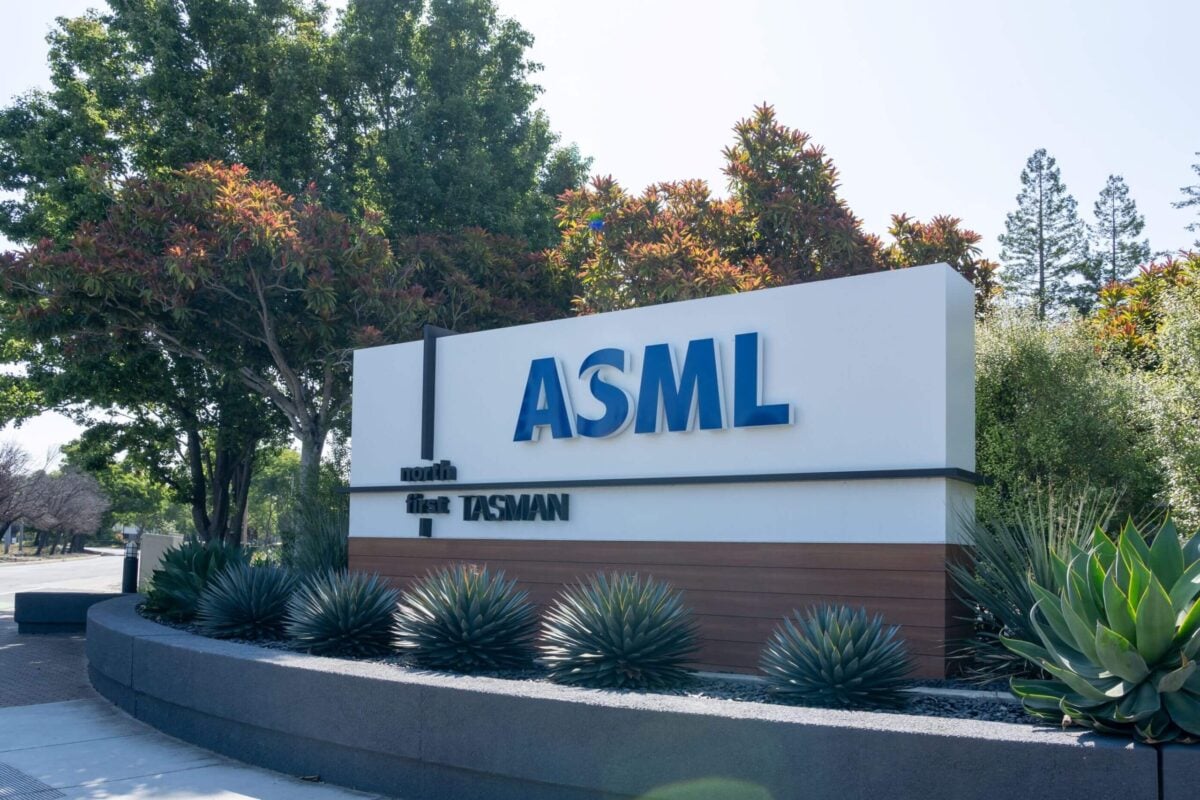
ASML (NASDAQ: ASML) shares rallied sharply after reports emerged that South Korea is moving forward with a massive semiconductor expansion initiative involving Samsung Electronics and SK Hynix.
The development strengthened investor confidence that demand for advanced chip manufacturing equipment will remain robust over the coming decade as the global artificial intelligence race continues to accelerate.
The Dutch chip equipment giant climbed to a fresh record high in Amsterdam, reflecting growing optimism that future orders from leading memory manufacturers could provide another tailwind for the company’s already strong business outlook. The positive sentiment extended across the broader semiconductor equipment sector, lifting several of ASML’s peers as investors positioned for increased capital spending by chipmakers.
South Korea Expands Chip Ambitions
The market reaction followed reports outlining an ambitious semiconductor development plan valued at approximately 800 trillion won, or roughly $516 billion. The initiative is designed as a long-term partnership between the public and private sectors to reinforce South Korea’s position as one of the world’s leading semiconductor manufacturing hubs.
Rather than representing direct government spending on fabrication facilities alone, the broader package combines infrastructure support, private investment, and policy initiatives intended to accelerate existing semiconductor projects while enabling additional manufacturing capacity over the coming years.

Central to the initiative are four new semiconductor fabrication plants expected to be completed during the mid-2030s. The expansion signals that both Samsung Electronics and SK Hynix remain committed to increasing production capabilities despite cyclical fluctuations within the semiconductor industry.
For equipment suppliers such as ASML, these long-term projects represent potential opportunities for future orders involving advanced lithography systems and other high-end manufacturing technologies required for next-generation chip production.
AI Memory Drives Investment
A significant portion of the planned expansion centers on South Korea’s Yongin semiconductor cluster, which has become a focal point for the country’s future chip manufacturing strategy.
SK Hynix is expected to establish its first fabrication facility within the cluster, where production will focus primarily on dynamic random-access memory (DRAM), including high-bandwidth memory (HBM). These advanced memory products have become increasingly important as demand for artificial intelligence computing infrastructure continues to grow.
HBM plays a critical role in powering AI accelerators and graphics processors used by leading technology companies building large-scale AI models. As cloud providers and semiconductor firms continue investing heavily in AI infrastructure, memory manufacturers are expanding production capacity to keep pace with rising demand.
Because ASML supplies the extreme ultraviolet (EUV) lithography machines required to manufacture cutting-edge chips, continued investment in advanced memory production supports expectations for sustained equipment demand over the long term.
Equipment Suppliers Gain Momentum
Investor enthusiasm was not limited to ASML alone. Other semiconductor equipment manufacturers also recorded strong gains as markets responded positively to the expansion news.
Applied Materials and KLA each advanced more than 5% during U.S. trading, while the Philadelphia Semiconductor Index posted a 7.5% gain across two trading sessions, highlighting renewed optimism across the semiconductor industry.
The rally suggests investors increasingly believe that major chipmakers will continue investing aggressively in manufacturing capacity despite broader macroeconomic uncertainties.
Equipment manufacturers generally benefit from large-scale fabrication projects because every new production facility requires billions of dollars worth of advanced manufacturing tools before commercial chip production can begin.
Given ASML’s dominant position in EUV lithography systems, any increase in leading-edge semiconductor manufacturing capacity has the potential to support future revenue growth.
Analysts Eye Upcoming Earnings
Beyond the immediate market reaction, investors are also focusing on upcoming earnings reports that could provide additional insight into semiconductor spending trends.
Several Wall Street firms, including Susquehanna, UBS Group, and JPMorgan Chase, recently raised their forecasts for semiconductor equipment demand during June, reflecting growing confidence that capital expenditures across the industry may remain stronger than previously expected.
Those revised outlooks come ahead of ASML’s scheduled earnings release on July 15 and Taiwan Semiconductor Manufacturing Co.’s earnings announcement the following day.
Market participants will closely monitor management commentary regarding customer order activity, AI-related investment trends, and future demand for advanced lithography systems.
Meanwhile, the South Korean government has pledged to support the semiconductor expansion through investments in essential infrastructure, including power and water supplies, while also working to simplify regulatory approvals for future chip manufacturing projects.
These measures are intended to reduce development timelines and help ensure that planned facilities remain on schedule.
For ASML investors, the combination of expanding AI infrastructure, long-term semiconductor capacity growth, and improving analyst expectations reinforces confidence that demand for advanced chipmaking equipment could remain resilient well into the next decade, even as the industry experiences its normal cyclical fluctuations.
Get 3 Free Stock Ebooks
Discover top-performing stocks in AI, Crypto, and Technology with expert analysis.
- Top 10 AI Stocks - Leading AI companies
- Top 10 Crypto Stocks - Blockchain leaders
- Top 10 Tech Stocks - Tech giants


