


Key Takeaways
- Bank of America established a 7,800 price target for the S&P 500 over the next 12 months, suggesting minimal 2% appreciation potential
- Year-end projections were increased to 7,400 from 7,100, though this still indicates approximately 3% decline from present levels
- Chief strategist Savita Subramanian cautioned that markets are experiencing an overextended rally without sufficient corrections
- The financial institution projects robust S&P 500 earnings expansion of 33% throughout 2026, followed by 12% in 2027
- Investment recommendations emphasize large-cap value positions and equal-weighted indexes rather than market-cap weighted alternatives
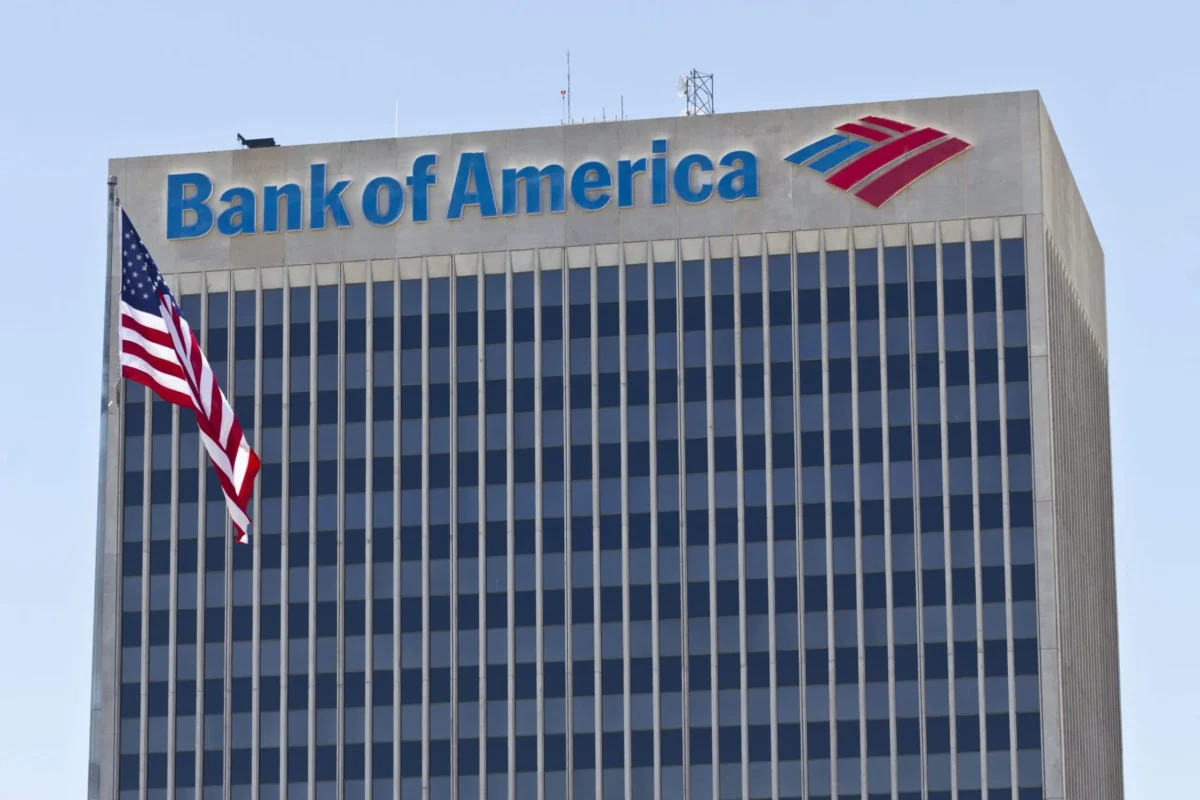
Bank of America unveiled a conservative perspective on American equities Monday, establishing a 12-month price objective of 7,800 for the S&P 500. This projection suggests merely 2% appreciation potential from present trading levels.
Chief equity strategist Savita Subramanian delivered the forecast while simultaneously increasing the firm’s year-end projection to 7,400 from an earlier estimate of 7,100. However, even this upward adjustment indicates potential downside of approximately 3% from where markets currently trade.
“Our 12-month target of 7800 is nothing to write home about, suggesting +2% from here,” Subramanian wrote in the note.
Correction Concerns Mount
According to Subramanian, equity markets have experienced insufficient volatility throughout the current year. Only a single 5% decline has materialized in 2026, occurring during March, while typical annual patterns show three such retreats.
The strategist revealed that approximately 50% of the firm’s proprietary bear-market indicators have been activated. This development implies investors might secure more favorable positioning by exercising patience.
Multiple risk factors warrant close monitoring, Subramanian emphasized. These include inflationary pressures, central bank monetary policy decisions, corporate earnings sustainability, and lending market conditions.

She highlighted a significant disconnect: current valuation multiples embed inflation expectations below what Bank of America’s economists actually project. This discrepancy between market assumptions and the firm’s inflation forecasts represents a meaningful concern.
Historical Parallels to Past Decade
The strategist drew parallels to conditions during the 1970s, an era characterized by elevated inflation risks, dollar weakness, and central bank tightening cycles. Those economic dynamics ultimately triggered equity market contractions exceeding 40%.
Political developments received less emphasis in her analysis. Subramanian dismissed concerns about potential Democratic midterm victories affecting capital expenditure patterns, characterizing it as a “red herring.” She noted that artificial intelligence infrastructure investments are predominantly influenced by state-level rather than federal government initiatives.
Notwithstanding near-term reservations, the long-term bullish thesis for equities remains viable, she indicated. Bank of America anticipates productivity enhancements as corporations substitute labor-intensive operations with more efficient, scalable alternatives.
Regarding corporate profitability, the institution forecasts S&P 500 earnings will surge 33% during 2026, with subsequent growth of 12% anticipated for 2027.
Strategic positioning favors large-capitalization value securities, carefully selected small- and mid-cap opportunities, and equal-weighted index exposure over traditional market-capitalization weighted benchmarks, according to the bank.
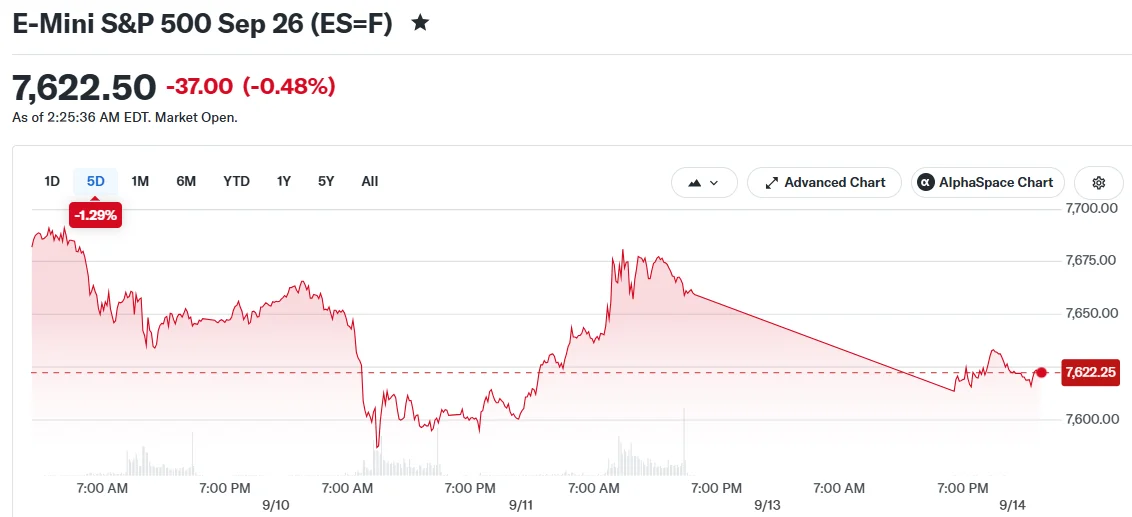
At the time of publication, the S&P 500 was changing hands at 7,619.76, representing a 0.48% intraday decline.
Get 3 Free Stock Ebooks
Discover top-performing stocks in AI, Crypto, and Technology with expert analysis.
- Top 10 AI Stocks - Leading AI companies
- Top 10 Crypto Stocks - Blockchain leaders
- Top 10 Tech Stocks - Tech giants


