



Key Takeaways
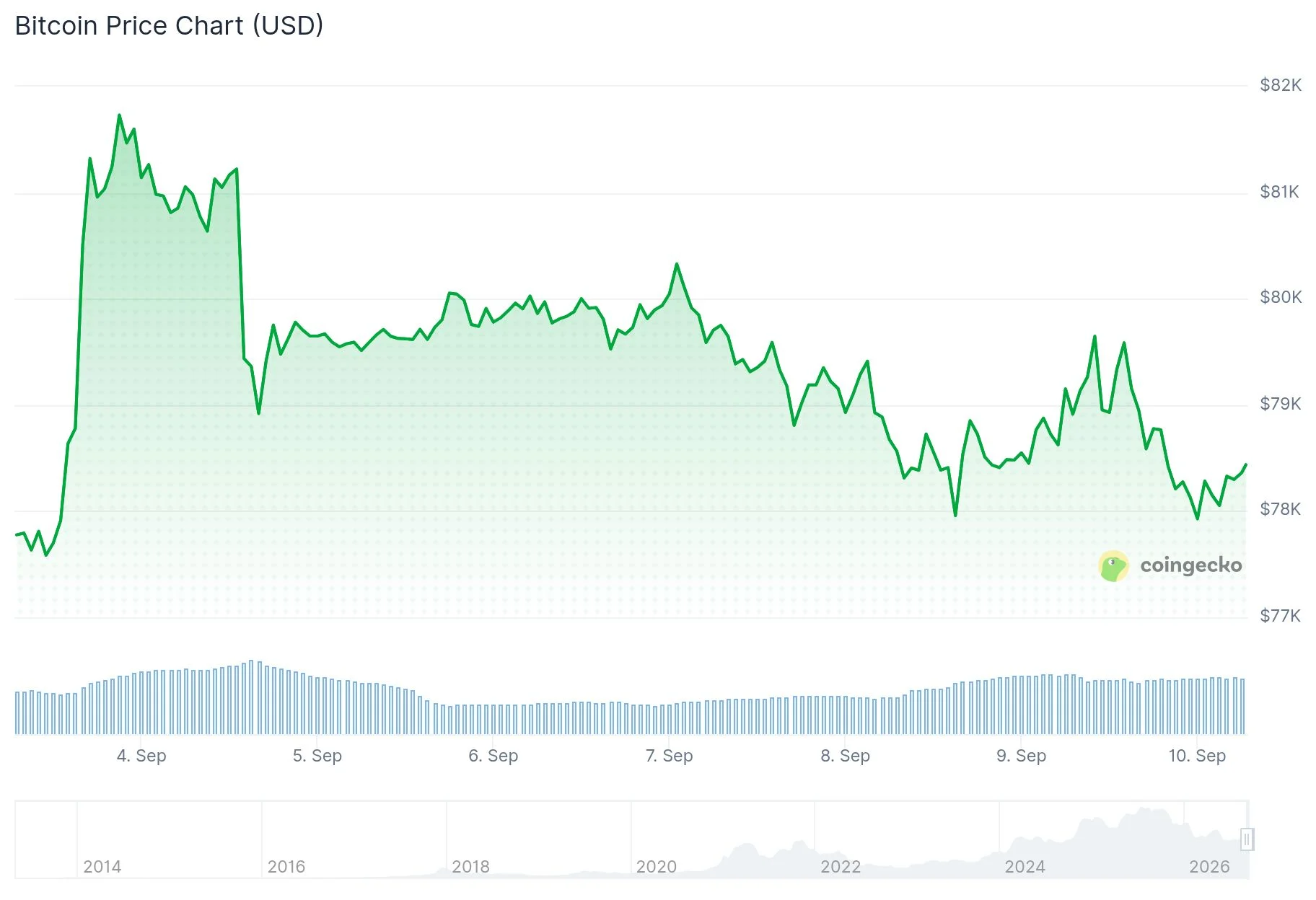
- BTC declined 0.8% to $78,299 amid escalating U.S.-Iran conflict
- Oil prices jumped above $101 per barrel, raising inflation concerns
- Treasury yields reached a three-year peak this week
- Japanese yen strengthened to its highest level versus the dollar since February
- Large Bitcoin holders maintained positions at 5.23 million BTC while awaiting key economic data
Bitcoin continued its downward trajectory on Thursday, dropping to $78,299 as a combination of Middle East conflict, climbing interest rates, and concerns over yen carry-trade unwinding kept market participants cautious.
The decline accelerated as tensions between the United States and Iran reached new heights. Iranian forces reported attacks on 10 vessels in the vicinity of the Strait of Hormuz. In retaliation, U.S. forces destroyed five Iranian oil tankers. These military exchanges sent shockwaves through global markets and triggered a sharp rally in energy commodities.
Brent crude surged past the $101-per-barrel threshold for the first time since the end of July. West Texas Intermediate also advanced, crossing above $96. Elevated oil prices amplify inflation worries, which directly impact expectations surrounding central bank policy and interest rates.
The benchmark 10-year U.S. Treasury yield reached its highest point in three years following disappointing results from a Treasury buyback program targeting longer-maturity bonds. Elevated yields typically diminish the appeal of speculative investments such as Bitcoin among institutional and retail investors.
Historical data shows Bitcoin tends to struggle during periods when the Federal Reserve implements tightening monetary policy, and current macroeconomic conditions are reviving concerns about additional rate increases on the horizon.

Japanese Yen Strength Amplifies Market Stress
Currency market dynamics introduced additional complexity to the situation. The Japanese yen surged to its strongest position against the U.S. dollar since February, currently valued at $0.0065, representing a 6.5% appreciation since August.
Speculative short positions on the yen have reached historic levels, exceeding 5 trillion yen, leaving these traders vulnerable to significant losses if yen appreciation continues. Charu Chanana, Saxo’s chief investment strategist, warned Reuters that a swift unwinding of these positions could severely impact liquidity across various asset classes, including cryptocurrency markets.
Treasury Secretary Scott Bessent suggested this week that additional currency interventions involving the yen may be forthcoming. During remarks at Southern Methodist University, he stated: “When we intervene with the Japanese yen, I have pretty good insight into what the Bank of Japan is going to do… I have asymmetric information. I am the house now.”
Market participants anticipate the Bank of Japan will implement a 0.25% rate increase at its September 28 policy meeting, potentially triggering accelerated unwinding of carry-trade positions.
Market Observers Track Whale Activity and Technical Signals
Cryptocurrency analyst Ali Charts highlighted on X that Bitcoin whale wallets have maintained consistent holdings of approximately 5.23 million BTC throughout the past week. According to his assessment, major holders appear to be adopting a wait-and-see approach ahead of critical economic releases including the Consumer Price Index and the Federal Open Market Committee meeting.
Technical analyst Ted Pillows observed that Bitcoin recently formed a golden cross pattern on the daily timeframe, though he cautioned that spot market demand continues to weaken. According to his analysis, a weekly closing price above $83,000 would be necessary to establish momentum for a potential rally toward the $100,000 psychological level.
As of current trading, Bitcoin has declined approximately 0.4% over the past 24 hours and remains unable to recapture the psychologically important $80,000 price level.
Get 3 Free Stock Ebooks
Discover top-performing stocks in AI, Crypto, and Technology with expert analysis.
- Top 10 AI Stocks - Leading AI companies
- Top 10 Crypto Stocks - Blockchain leaders
- Top 10 Tech Stocks - Tech giants


