


TLDR
- British Prime Minister Keir Starmer revealed comprehensive social media access restrictions for children under 16
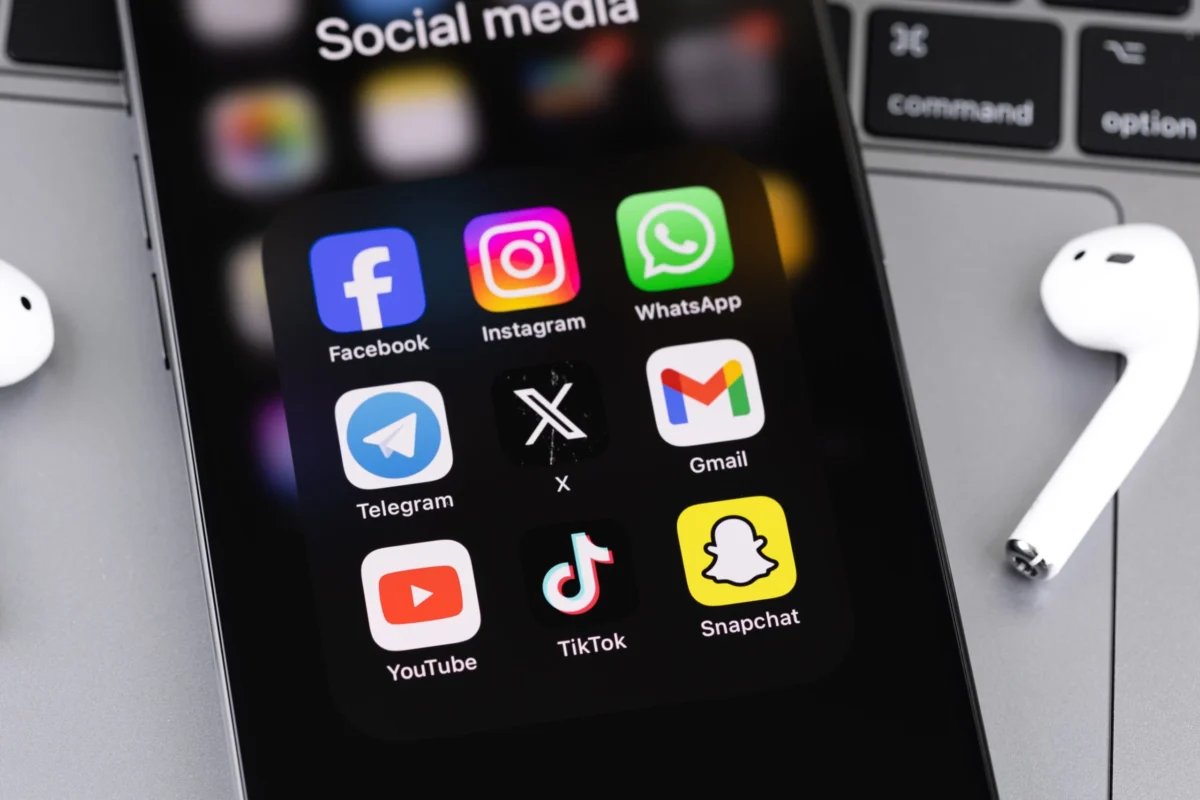
- Major platforms including TikTok, Instagram, Facebook, YouTube, Snapchat, and X will be subject to the ban
- Parliamentary legislation expected before Christmas 2026, enforcement beginning Spring 2027
- Romantic and sexual AI chatbot services will be restricted to adults 18 and over
- American diplomatic officials expressed concern over potential compliance challenges for US-based tech firms
Britain has unveiled sweeping legislation that will prohibit children younger than 16 from using prominent social media services. The declaration came during a Monday press briefing at Downing Street on June 15, led by Prime Minister Keir Starmer.
The prohibition encompasses major digital platforms such as [[LINK_START_0]]TikTok[[LINK_END_0]], Instagram, [[LINK_START_1]]Facebook[[LINK_END_1]], YouTube, Snapchat, and X. Private messaging services such as WhatsApp and Signal remain exempt from these restrictions.
During his address, Starmer emphasized that social media platforms are “making children unhappy” and characterized the complete prohibition as “the right choice.” He stressed his unwillingness to compromise regarding children’s “safety and happiness.”
This initiative mirrors Australia’s recent decision to elevate its social media age threshold to 16. Britain’s approach is anticipated to be more comprehensive in its application.
What the Rules Will Cover
Authorities will additionally limit potentially dangerous functionalities including live broadcasting capabilities and communication with unknown individuals on gaming platforms. These safeguards will automatically apply to anyone under 16.
For teenagers aged 16 and 17, certain protective measures will also be activated automatically. This graduated approach aims to prevent an abrupt transition when users reach 16.

Artificial intelligence applications designed to replicate romantic or intimate relationships will mandate users be at least 18 years old. Additional intimate AI chatbot capabilities will face limitations for all individuals below 18.
Officials are considering implementing nighttime usage restrictions and interruptions to continuous scrolling for those under 18, although these measures await final confirmation.
Ofcom, the regulatory body, will conduct comprehensive research on age verification technologies. The Technology Secretary has requested an expedited assessment of Ofcom’s enforcement capabilities.
Government officials confirmed they will provide financial resources to Ofcom for executing its expanded duties under the Children’s Wellbeing and Schools Act.
Public Support and Opposition
A nationwide consultation process generated approximately 116,000 submissions, ranking as Britain’s second-largest public consultation ever. More than 83% of parents indicated that social media dangers exceed any advantages for young people. An overwhelming nine out of ten parents endorsed setting the minimum age at 16.
Roughly two-thirds of young people who participated acknowledged that limiting dangerous features would enhance their protection. Nevertheless, 72% expressed anxiety about social exclusion if such limitations were enacted.
The proposal has encountered resistance from various quarters. The Molly Rose Foundation, established following 14-year-old Molly Russell’s 2017 death after exposure to damaging online material, stated the prohibition “will fail to tackle fundamental product safety risks.”
Certain legislators contended that educational video materials utilized by students for academic purposes shouldn’t receive identical treatment as entertainment-focused social media.
The United States embassy in London also raised objections, indicating American preference for “narrowly targeted requirements” and warning that comprehensive bans could impose substantial compliance obligations on American technology corporations.
The proposed legislation is scheduled to arrive in Parliament before 2026 concludes, with enforcement mechanisms becoming operational in Spring 2027.
Get 3 Free Stock Ebooks
Discover top-performing stocks in AI, Crypto, and Technology with expert analysis.
- Top 10 AI Stocks - Leading AI companies
- Top 10 Crypto Stocks - Blockchain leaders
- Top 10 Tech Stocks - Tech giants


