


Key Takeaways
- Wall Street analysts believe the AI-powered memory expansion is just beginning and may surpass the 2001-2007 NAND growth period
- Major memory manufacturers including Micron (MU), Samsung, and SK Hynix have declined over 20% from peak levels
- Citi recommends accumulating AMD (AMD), Texas Instruments (TXN), and Applied Materials (AMAT) during the correction
- Limited supply of high-bandwidth memory will force AI companies to deploy increased GPU quantities per infrastructure system
- Leading cloud services providers are projected to increase capital expenditure by 90% in 2026, bolstering semiconductor demand
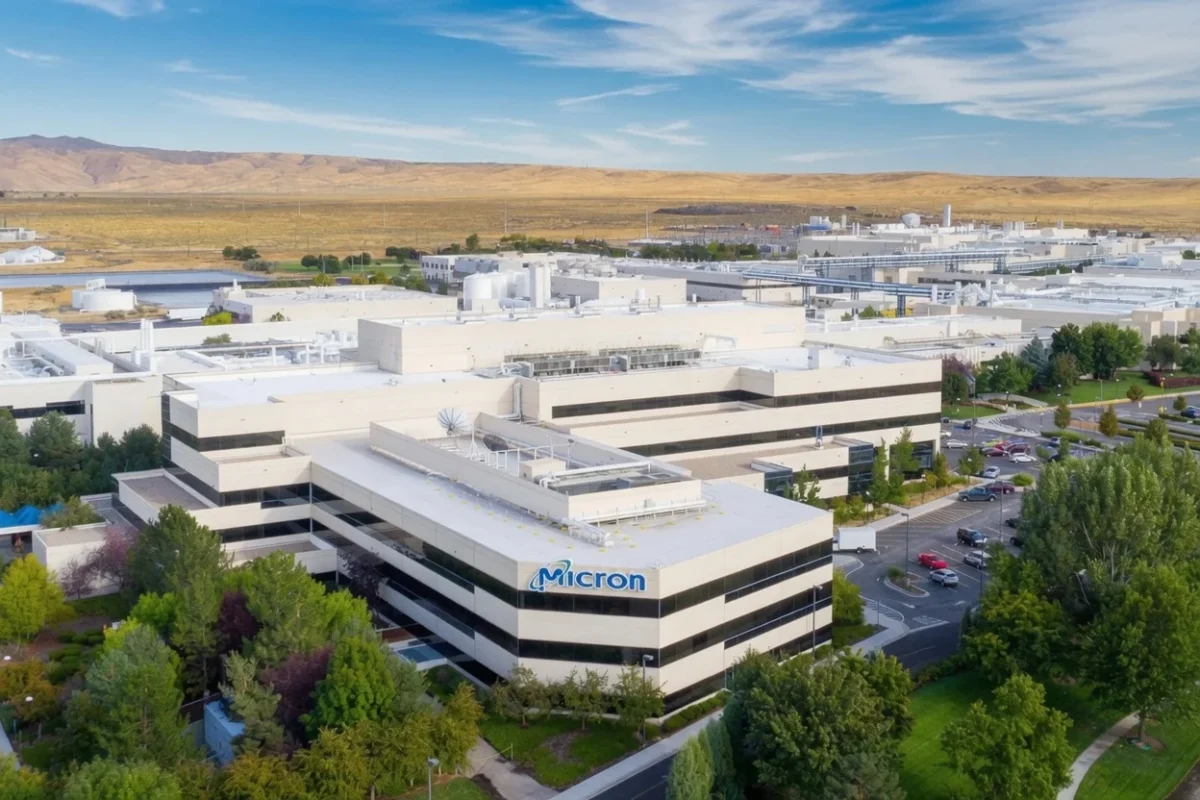
Memory-focused semiconductor companies have experienced significant downward pressure lately. Industry leaders Micron, Samsung, and SK Hynix have each fallen more than 20% from their most recent highs.
The correction followed a robust rally, with investors citing elevated valuations and uncertainty around artificial intelligence infrastructure spending. However, Citi’s research team believes the decline represents an attractive entry point rather than a fundamental deterioration.
According to Citi’s analysis, the ongoing AI-fueled memory expansion remains in its initial phase. The firm draws parallels to the NAND growth period spanning 2001 through 2007, when emerging consumer electronics like MP3 players and digital cameras generated unprecedented demand.
The difference now is that artificial intelligence applications are simultaneously driving requirements for both DRAM and NAND technologies. Citi’s strategists believe this dual demand dynamic positions the current expansion to exceed the performance of previous cycles.

Supporting this view is the fact that major buyers are entering multi-year supply agreements ranging from three to five years. These extended commitments signal expectations for durable demand rather than temporary spikes.
HBM Supply Constraints Driving AI System Architecture Changes
A continuing bottleneck in high-bandwidth memory availability is also shaping the market. Citi anticipates this constraint will cause AI infrastructure builders to modify their approach, moving away from configurations using fewer, higher-capacity chips toward deployments featuring greater numbers of GPUs with reduced memory allocation per unit.
Despite lower memory content per individual GPU, Citi forecasts aggregate HBM capacity in AI systems will surge 434%, climbing from approximately 20 terabytes to more than 110 terabytes, driven by GPU counts expanding from 72 to 576 per system.
SK Hynix indicated during its second-quarter financial update that management is evaluating options to return value to shareholders. Citi anticipates an announcement prior to the company’s third-quarter results and maintains its Buy recommendation with a 3,100,000 won price objective.
Citi Highlights AMD, Texas Instruments, and Applied Materials as Top Picks
Beyond memory specialists, Citi is accumulating three semiconductor stocks during the market weakness: AMD, Texas Instruments, and Applied Materials.
The Philadelphia Semiconductor Index has gained nearly 60% year to date yet has declined 21% in the most recent quarter. Citi attributes the pullback to elevated investor expectations meeting reality.
Data center-related demand continues showing strength, representing 34% of overall semiconductor sales. Industrial segment demand is expanding 30 to 35% year over year, while automotive applications are growing 12 to 15%.
Certain analog semiconductor components now show delivery lead times extending beyond 16 weeks. Priority customer requests have doubled, indicating constrained supply conditions.
Citi has increased its capital expenditure growth projections for the five largest cloud infrastructure providers to 90% for 2026 and 46% for 2027. Alphabet has updated its 2026 capex guidance to a range of $195 billion to $205 billion. Amazon has elevated its projection to $220 billion.
Citi characterizes this environment as favorable for semiconductor equities and maintains AMD as its preferred selection, highlighting the company’s expanding market share in both GPU and CPU markets. Applied Materials receives a positive catalyst designation ahead of its August 13 earnings announcement.
Get 3 Free Stock Ebooks
Discover top-performing stocks in AI, Crypto, and Technology with expert analysis.
- Top 10 AI Stocks - Leading AI companies
- Top 10 Crypto Stocks - Blockchain leaders
- Top 10 Tech Stocks - Tech giants


