


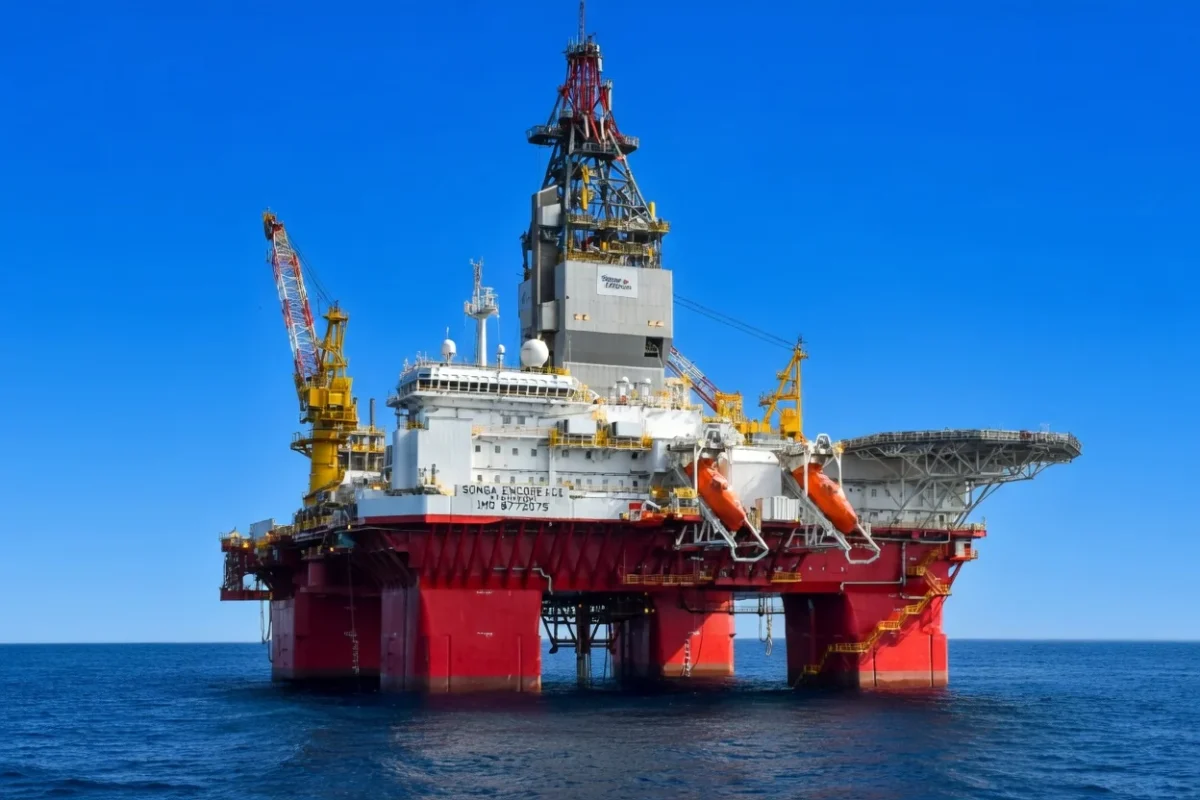
Key Highlights
- Brent crude climbed to $91.70 while WTI reached $88.43 following renewed U.S.-Iran confrontations
- Washington launched strikes on Iranian installations following the downing of a U.S. Apache helicopter
- Tehran retaliated with attacks on American military facilities in Jordan and Gulf nations
- Weekly U.S. crude stockpiles declined 9.12 million barrels, nearly triple the anticipated 3.4 million drawdown
- Iran continues restricting access through the Strait of Hormuz, a critical channel for one-fifth of worldwide oil shipments
Crude oil benchmarks maintained stability on Wednesday following an initial surge that later subsided, as renewed military confrontations between Washington and Tehran maintained market uncertainty.
Brent crude contracts advanced 0.27% to reach $91.70 per barrel. U.S. West Texas Intermediate increased 0.26% to $88.43. Earlier during Asian trading hours, both benchmarks had surged nearly 2% before retreating.
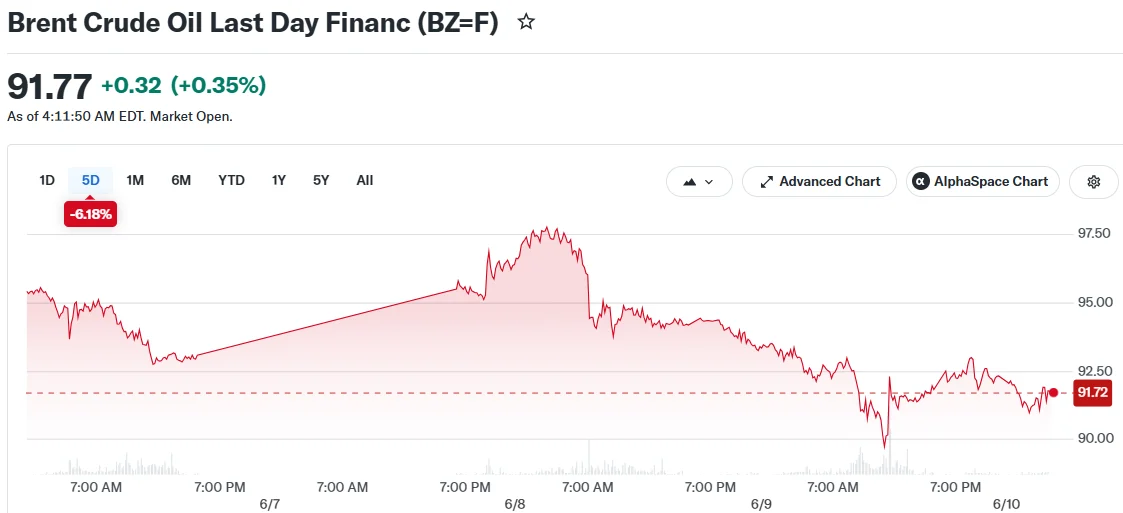
These movements came after a roughly 3% decline in the prior session, when petroleum reached its weakest point in seven weeks.
Factors Behind the Recent Military Flare-Up
The current escalation originated when an Iranian drone allegedly shot down a U.S. Apache attack helicopter. President Donald Trump authorized counter-strikes targeting Iranian military installations positioned near the Strait of Hormuz.
Tehran subsequently announced it had struck American military bases located in Jordan and multiple Gulf nations as a retaliatory measure.

This escalation jeopardizes the modest diplomatic gains achieved earlier this week, when Iran and Israel had committed to suspending hostilities following interventions from Trump.
Iran additionally cautioned that it would resume military operations if Israel persisted with strikes against Hezbollah positions in Lebanon. Israel’s unwillingness to cease that campaign has prevented efforts to transform a fragile truce into a permanent agreement.
Critical Waterway Remains Under Pressure
Iran has maintained restrictions on the majority of maritime traffic passing through the Strait of Hormuz. This strategic waterway typically transports approximately one-fifth of global crude oil and liquefied natural gas volumes.
The United States has implemented its own embargo of Iranian ports in retaliation.
U.S. Energy Secretary Chris Wright stated on Tuesday that vessel movement and oil exports through the Strait are gradually increasing, despite the absence of a formal agreement between Washington and Tehran.
ING market analysts cautioned that without an agreement on the horizon and with global petroleum markets tightening, prices could climb higher — particularly if disruptions extend into the third quarter, when consumption typically strengthens seasonally.
Significant Decline in American Crude Reserves
A substantial reduction in U.S. petroleum reserves also provided price support. The American Petroleum Institute disclosed a 9.12 million-barrel decrease last week, significantly exceeding the projected 3.4 million-barrel reduction.
This marked the eighth straight weekly decrease in U.S. crude reserves.
Gasoline inventories also decreased by 1.19 million barrels. Distillate reserves increased by 1.32 million barrels.
Market analysts indicated the inventory figures reinforced worries that worldwide supply could tighten further should Middle Eastern tensions persist.
PVM analyst Tamas Varga observed that reduced Chinese crude purchases are helping contain price increases, alongside the constrained flow through the Strait of Hormuz.
Market participants are now monitoring official inventory statistics from the Energy Information Administration, along with U.S. consumer inflation reports, for additional guidance on markets and Federal Reserve monetary policy.
Get 3 Free Stock Ebooks
Discover top-performing stocks in AI, Crypto, and Technology with expert analysis.
- Top 10 AI Stocks - Leading AI companies
- Top 10 Crypto Stocks - Blockchain leaders
- Top 10 Tech Stocks - Tech giants


