


Key Takeaways
- D.R. Horton delivered Q3 EPS of $3.20, surpassing analyst projections of $2.97
- Quarterly revenue reached $9.2 billion, edging past Wall Street’s $9.1 billion estimate
- Gross margin on home sales hit 20.7%, exceeding the 19.9% consensus forecast
- Annual revenue outlook reduced to $32.5B–$33.0B from prior range of $33.5B–$34.5B
- Elevated mortgage rates, tariff impacts, and customer incentives weigh on profitability
Shares of D.R. Horton were down approximately 0.4% to $144.25 during Tuesday’s pre-market session following the homebuilder’s decision to lower its annual revenue forecast, even as quarterly results exceeded expectations.
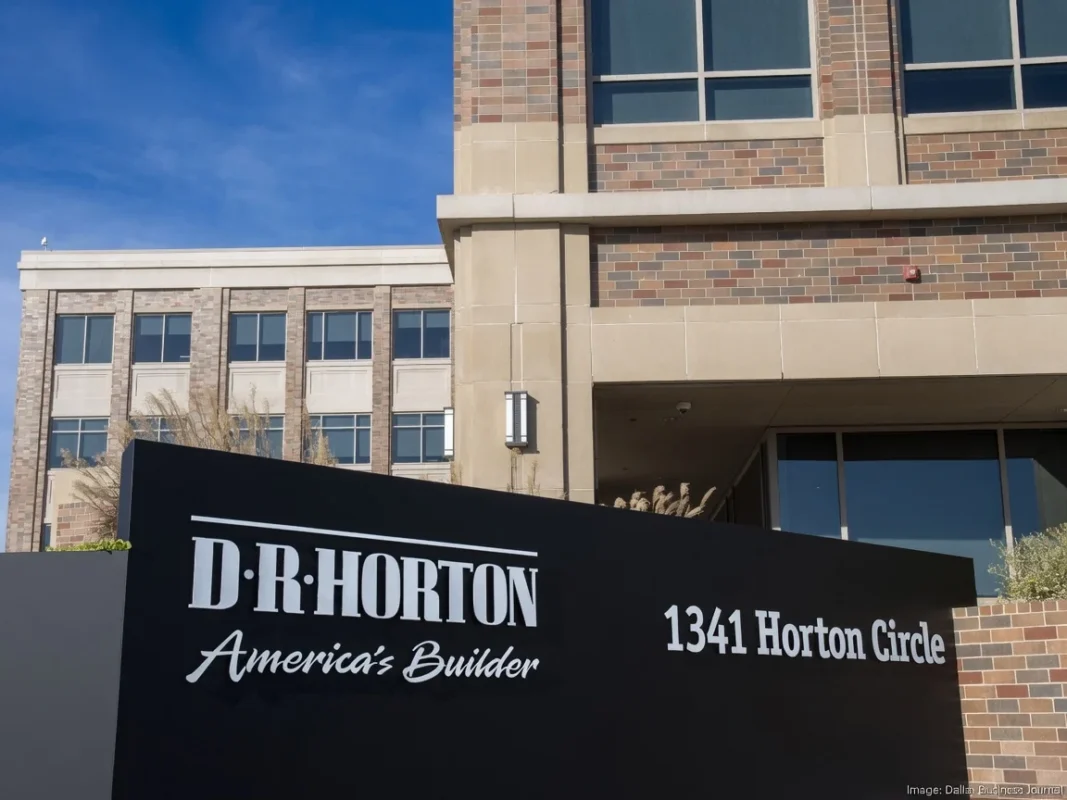
The largest homebuilder in the United States reported earnings per share of $3.20 on $9.2 billion in revenue for its fiscal third quarter ending June 30. Wall Street consensus called for earnings of $2.97 per share on $9.1 billion in sales, based on FactSet estimates.
Gross profit margin on home sales reached 20.7%, beating the anticipated 19.9%. However, this represents a decline from the 21.8% margin recorded in the comparable period last year.
Although DHI exceeded quarterly projections, the company reduced its full-year consolidated revenue target to a range of $32.5 billion to $33.0 billion. This marks a significant decrease from the prior guidance of $33.5 billion to $34.5 billion. Analyst consensus stood at $33.67 billion, according to LSEG.

Executive Chairman David Auld acknowledged ongoing headwinds facing homebuyers. “Affordability constraints and cautious consumer sentiment continue to impact new home demand,” he stated.
The company has responded by implementing various sales incentives, including mortgage rate buydown programs, while pivoting its product mix toward smaller, more budget-friendly homes. Auld emphasized that incentive spending is projected to remain high throughout the fourth quarter.
Profitability Faces Headwinds
Tariffs imposed on building materials coupled with ongoing inflationary pressures are intensifying cost challenges for homebuilders nationwide. These escalating expenses, when combined with promotional incentives needed to drive sales, have compressed profit margins industry-wide.
Earnings per share declined year-over-year from $3.36 to $3.20, underscoring these sustained challenges.
Auld indicated the company anticipates “sales incentives to remain elevated during the fourth quarter, with incentive levels dependent on demand, mortgage rates and other market conditions.”
Year-to-date, DHI shares have climbed roughly 3.7%, outperforming the broader iShares U.S. Home Construction ETF but trailing smaller competitors. LGI Homes and Hovnanian Enterprises have surged 36% and 35% respectively in 2025.
Smaller Competitors Gain Momentum
Regional builders have enjoyed considerable momentum following Berkshire Hathaway’s acquisition of mid-tier builder Taylor Morrison, prompting investors to explore attractive valuations among smaller players.
Beazer Homes has rallied over 60% year-to-date. Texas Capital Securities analyst Alex Rygiel maintains Buy recommendations on Century Communities and LGI Homes, noting both trade below book value.
BTIG analyst Ryan Gilbert assigns D.R. Horton a Buy rating with a $188 price objective. He suggests recent momentum in the existing home market may translate to improved pricing power for new construction, potentially supporting margin expansion.
PulteGroup’s upcoming earnings release later this week will provide additional insights into the homebuilding sector’s prospects for the second half of the year.
By market capitalization, D.R. Horton holds the position as America’s largest residential construction company.
Get 3 Free Stock Ebooks
Discover top-performing stocks in AI, Crypto, and Technology with expert analysis.
- Top 10 AI Stocks - Leading AI companies
- Top 10 Crypto Stocks - Blockchain leaders
- Top 10 Tech Stocks - Tech giants


