


Key Highlights
- Shares of D-Wave Quantum climbed approximately 5% during Wednesday’s premarket session, reaching around $18.47.
- A strategic alliance between D-Wave and CGI was unveiled, focusing on logistics, transportation, and retail sectors.
- CGI plans to incorporate D-Wave’s Advantage2 quantum system and hybrid solver technology into its service offerings.
- D-Wave’s first-half bookings totaled $35.5 million, representing a year-over-year increase exceeding 1,120%.
- Concerns persist regarding valuation metrics and ongoing cash consumption, with Q2 revenue reaching only $3.1 million.
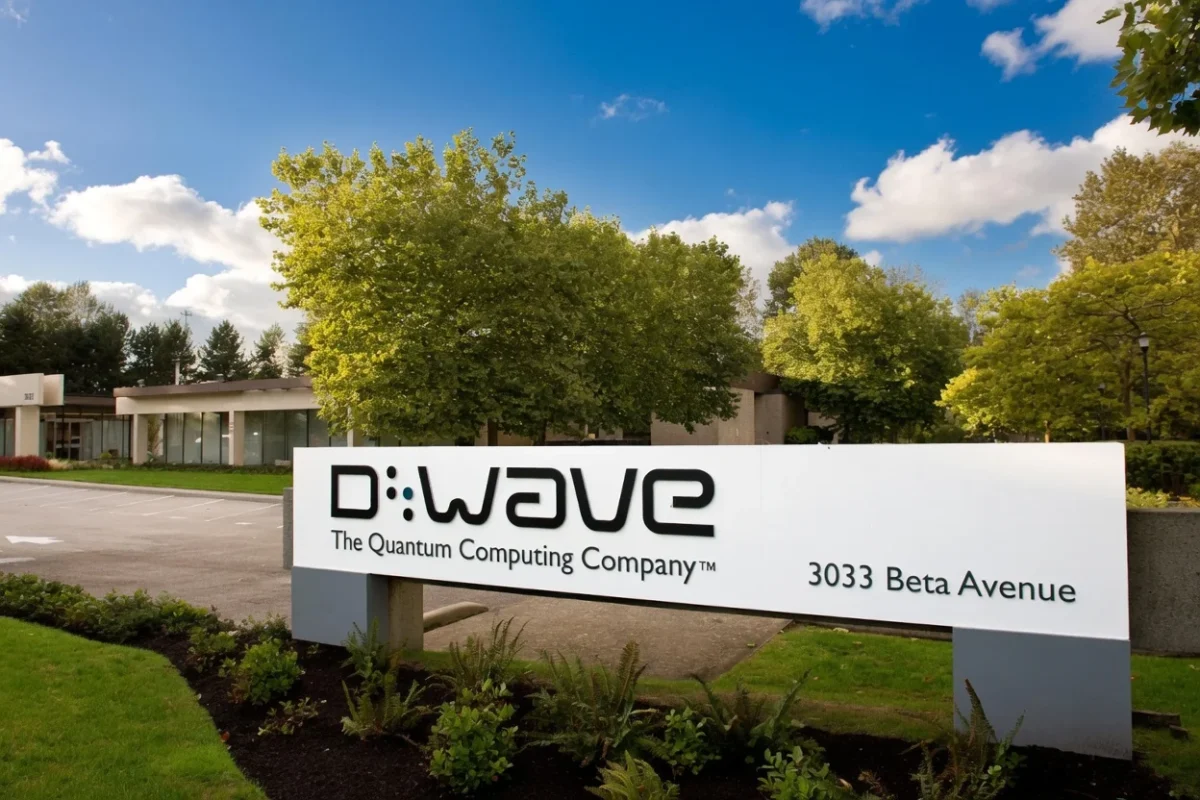
Shares of D-Wave Quantum (QBTS) experienced an approximately 5% increase during Wednesday’s premarket hours, trading near $18.47. The rally came on the heels of a newly announced strategic partnership with international IT consulting firm CGI.
This collaboration will integrate D-Wave’s quantum computing capabilities into CGI’s comprehensive technology service offerings. Both organizations intend to address practical optimization challenges within the transportation, logistics, and retail industries.
CGI will leverage D-Wave’s Advantage2 quantum annealing system alongside its hybrid solver platform. This partnership represents the culmination of over twelve months of collaborative development between the two firms.
CGI Collaboration Expands D-Wave’s Enterprise Market Access
Within the transportation sector, potential use cases encompass train scheduling optimization, railway network management, and strategic resource distribution. For retail clients, applications may include supply chain optimization, delivery route planning, and employee scheduling.

Additional targeted areas include manufacturing production planning, electrical grid optimization, and predictive asset maintenance. These represent sectors where D-Wave contends its quantum annealing approach can augment traditional computing methods.
This commercial emphasis holds significance as D-Wave continues demonstrating that quantum computing can address immediate, practical optimization challenges. The company’s quantum annealing technology distinguishes itself from competitors primarily developing gate-based quantum systems for future applications.
D-Wave has previously showcased its collaboration with AT&T, where its technology compressed a network optimization process from approximately one hour to less than 15 seconds.
The CGI collaboration potentially unlocks access to a significantly broader enterprise client network. CGI maintains a workforce of approximately 94,000 professionals globally and sustains partnerships with over 150 technology providers.
D-Wave’s booking momentum has intensified considerably. Bookings for the first half of 2026 totaled $35.5 million, marking a year-over-year surge of more than 1,120%.
Remaining performance obligations climbed to $40.7 million, representing a 668% increase from the prior year period. Over 100 distinct customers contributed revenue during the first six months.
Valuation Concerns and Operating Losses Present Primary Investment Risks
Revenue remains modest relative to D-Wave’s market capitalization. The company recorded second-quarter revenue of merely $3.1 million, virtually flat compared to the previous year.
The organization also reported a $53.3 million operating loss throughout the quarter. Research and development expenditures alone accounted for $28.2 million.
D-Wave maintains considerable financial resources. The company concluded June with approximately $546 million in available liquidity and recently secured an arrangement for up to $100 million in funding from the U.S. Department of Commerce.
Nevertheless, persistent operating losses indicate that additional financing rounds and potential shareholder dilution remain ongoing risks. Investors require D-Wave to transform its accelerating bookings trajectory into sustainable revenue expansion.
The CGI agreement bolsters the company’s enterprise commercialization narrative, though it doesn’t specify guaranteed revenue figures or total contract value. The critical question remains whether collaborations of this nature will generate substantial, recurring customer implementations.
Get 3 Free Stock Ebooks
Discover top-performing stocks in AI, Crypto, and Technology with expert analysis.
- Top 10 AI Stocks - Leading AI companies
- Top 10 Crypto Stocks - Blockchain leaders
- Top 10 Tech Stocks - Tech giants


