


Key Points
- A coalition of 17 Senate Democrats seeks to prevent CFTC from spending federal dollars on state lawsuits related to prediction markets
- Connecticut Senator Richard Blumenthal and Oregon Senator Jeff Merkley spearhead the initiative
- The federal agency has launched legal action against nine states, including New York, Illinois, Connecticut, and Kentucky
- Lawmakers contend these platforms function as gambling operations rather than legitimate financial hedging instruments
- The proposal targets the Fiscal Year 2027 appropriations legislation to include funding restrictions
Democratic Lawmakers Target CFTC Budget Over State Legal Battles
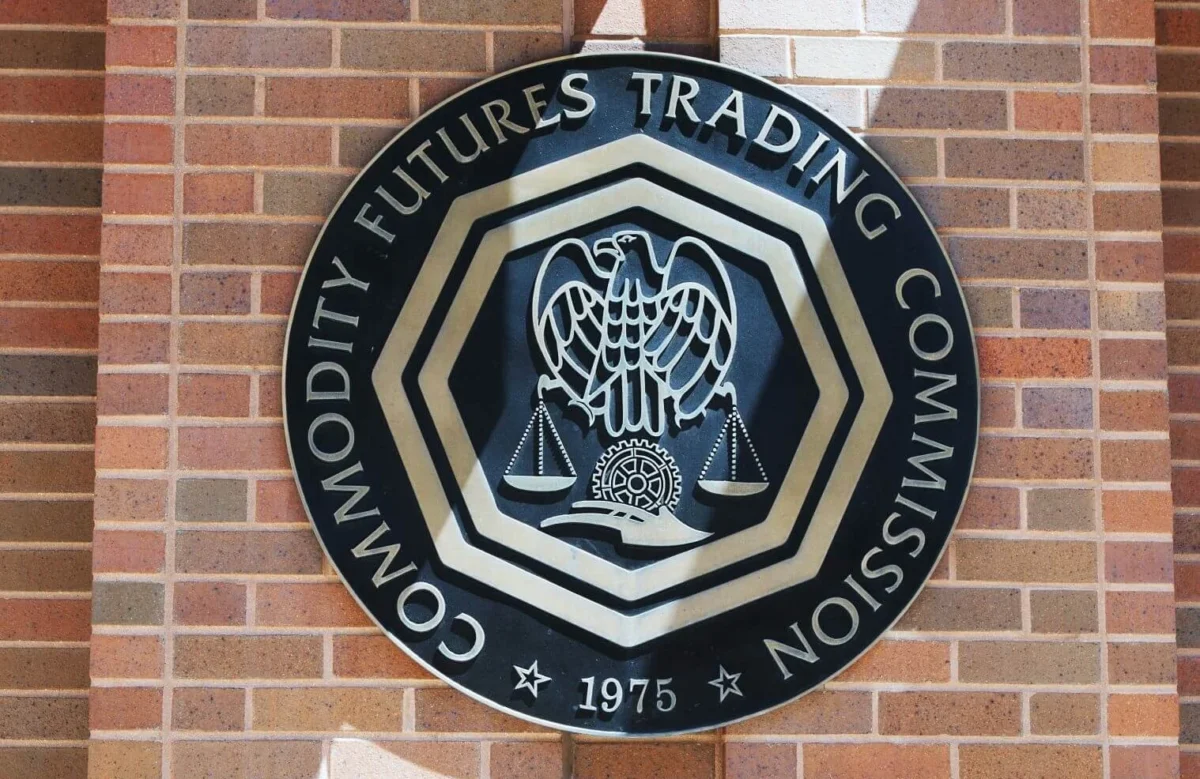
A coalition of 17 Senate Democrats is mounting an effort to prohibit the Commodity Futures Trading Commission from deploying federal resources to challenge state-level regulation of online prediction markets.
Spearheaded by Connecticut’s Senator Richard Blumenthal alongside Oregon’s Senator Jeff Merkley, the group has submitted a formal letter to the Senate Appropriations Subcommittee on Financial Services and General Government detailing their position.
The lawmakers contend the CFTC has exceeded its regulatory mandate and is undermining state governments attempting to address gambling-related concerns within their jurisdictions.
Federal Agency Has Launched Legal Action Against Nine States
The CFTC has initiated litigation against nine states to date: Connecticut, Illinois, Arizona, Wisconsin, New York, Minnesota, Rhode Island, New Mexico, and Kentucky in the most recent filing.
The commission maintains it holds exclusive regulatory authority over prediction market operations. These legal challenges aim to prevent states from implementing their own regulatory frameworks or restrictions on platform operators.
Blumenthal has openly criticized the CFTC, characterizing the agency as serving essentially as “nothing more than a tool” for prediction market companies such as Kalshi and Polymarket. According to him, the commission prioritizes industry profits over protecting consumers.

Numerous states and tribal authorities have already taken steps to regulate or prohibit prediction market platforms. Some jurisdictions have established permit requirements and levied specialized taxes. Others have attempted complete bans on operators.
The senators maintain these state-level initiatives are being undermined by the CFTC’s litigation strategy. They assert the agency is facilitating operators’ attempts to circumvent state-level consumer safeguards.
In their correspondence, the senators warned that the CFTC is at risk of “becoming an instrument and enabler of online prediction markets’ efforts to bypass states’ consumer protections and oversight, creating a race-to-the-bottom in gambling.”
Senators’ Funding Restriction Proposal
The lawmakers are requesting specific provisions be incorporated into the Fiscal Year 2027 federal appropriations legislation. This language would prohibit the CFTC from allocating any federal funding to contest state gambling regulations or tribal compacts.
Their central argument hinges on how prediction markets have evolved. These platforms were initially conceived as financial mechanisms for hedging risks in agricultural commodities and economic sectors.
Today, they encompass sports outcomes, political elections, and international events. The senators argue this transformation has converted them into gambling products rather than legitimate financial instruments.
They maintain that states and tribal governments possess inherent authority to regulate gambling activities, and federal agencies like the CFTC should not be empowered to nullify that authority through litigation.
The correspondence received support from 15 additional senators, bringing the coalition to 17 members. The decision now rests with the appropriations subcommittee on whether to incorporate the funding prohibition into the FY2027 budget bill.
Get 3 Free Stock Ebooks
Discover top-performing stocks in AI, Crypto, and Technology with expert analysis.
- Top 10 AI Stocks - Leading AI companies
- Top 10 Crypto Stocks - Blockchain leaders
- Top 10 Tech Stocks - Tech giants


