


Key Takeaways
- Massachusetts Senator Elizabeth Warren formally requested the SEC postpone SpaceX‘s public offering scheduled for June 12.
- SpaceX’s public debut could reach a $2 trillion market capitalization while raising approximately $75 billion.
- Warren’s concerns center on Elon Musk’s concentrated control, multi-tier share structure, and limited investor protections.
- The offering has attracted approximately $250 billion in subscription requests—over three times the intended capital raise.
- Regulatory experts suggest the SEC will proceed unless material disclosure or legal violations surface.
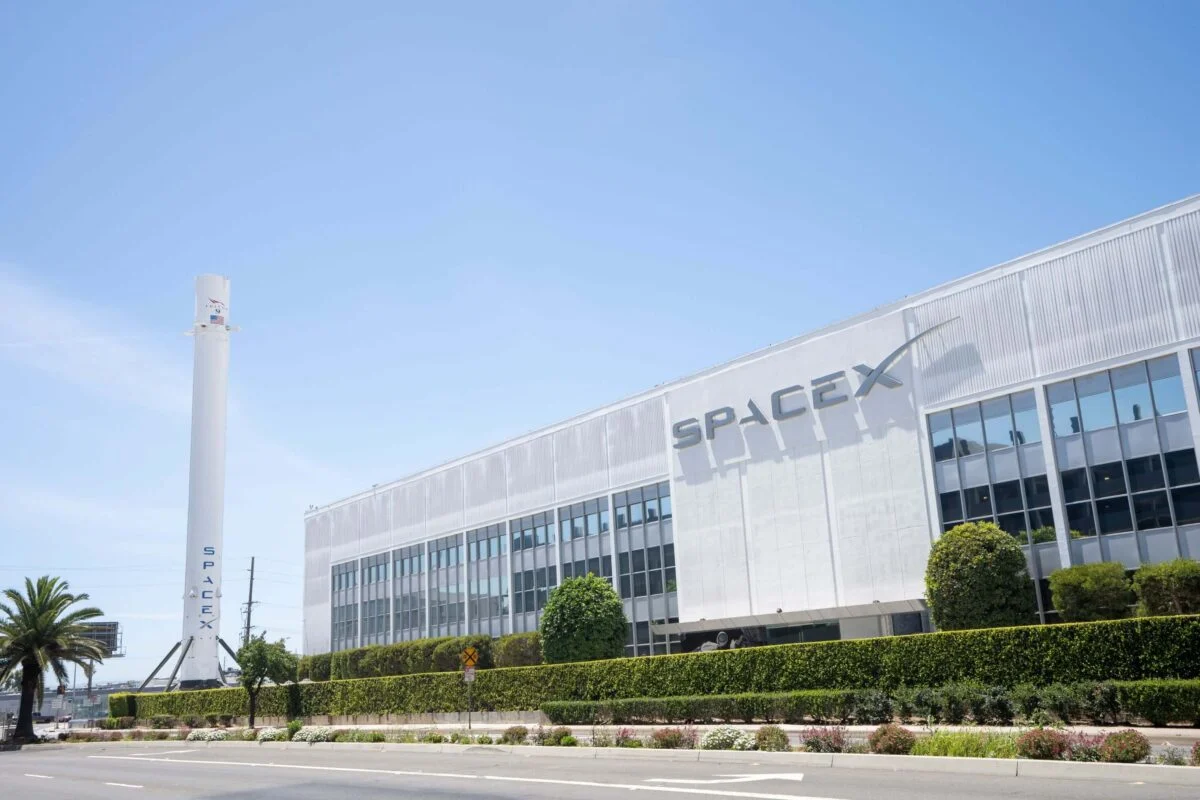
SpaceX stands on the threshold of executing one of Wall Street’s most significant initial public offerings. However, a prominent legislator is calling for regulatory intervention.
Senator Elizabeth Warren submitted correspondence to SEC Chairman Paul Atkins on June 10, requesting a postponement of the [[LINK_START_0]]SpaceX[[LINK_END_0]] market debut. The company plans to price shares Thursday evening, with public trading commencing Friday, June 12.
The offering targets a valuation approaching $2 trillion and seeks to collect up to $75 billion from institutional and retail participants.
Warren’s letter emphasizes potential dangers for average investors and pension fund beneficiaries, contrasting these risks against substantial benefits flowing to company executives and early backers.
Corporate Structure and Pricing Questions
Warren’s objections focus primarily on SpaceX’s corporate governance framework.
Her letter highlights Elon Musk’s disproportionate voting authority, the implementation of multiple share classes, compulsory arbitration requirements, and restrictions on stockholder initiatives. These structural elements, Warren contends, would severely curtail public shareholders’ influence following the listing.

The Senator also challenged the company’s price target. Her correspondence referenced market analysts describing the $2 trillion figure as “nonsensical” and based on “smoke-and-mirrors accounting,” particularly considering SpaceX’s disclosed annual revenues of approximately $19 billion.
Warren’s letter stated the SEC “must investigate whether index funds and other financial entities involved in SpaceX’s IPO are adequately protecting investors.”
Additionally, SpaceX maintains significant contracts with the Pentagon. Warren expressed unease regarding possible foreign investment from Chinese sources once shares begin public trading.
Overwhelming Market Interest Persists
Political opposition has not dampened market enthusiasm for the transaction.
According to Reuters reporting from June 9, Musk’s aerospace venture received subscription requests exceeding $250 billion—representing approximately 3.5 to 4 times the targeted capital amount.
The Securities and Exchange Commission has completed its examination of SpaceX’s registration statement. Market participants understand Musk’s controlling position, and the prospectus contains extensive risk disclosures.
Securities attorneys indicate the regulator would require concrete evidence of inadequate disclosure, financial irregularities, or regulatory breaches to warrant intervention. Aggressive pricing methodology alone provides insufficient grounds for postponement.
Warren established a June 23 deadline for SEC responses addressing valuation methodology, governance structures, passive investor safeguards, mandatory arbitration provisions, and alleged information leaks from confidential filings.
This represents the latest exchange between Warren and Musk, who have previously clashed regarding equity transactions, social media acquisitions, and government advisory roles.
Underwriter order books close Wednesday evening. The public offering remains scheduled to proceed without modification.
Get 3 Free Stock Ebooks
Discover top-performing stocks in AI, Crypto, and Technology with expert analysis.
- Top 10 AI Stocks - Leading AI companies
- Top 10 Crypto Stocks - Blockchain leaders
- Top 10 Tech Stocks - Tech giants


