


TLDR
- In 2024, Elon Musk launched legal action against OpenAI and Sam Altman, alleging betrayal of the organization’s original nonprofit mission.
- Federal jury deliberations commenced Monday to determine whether Altman and fellow OpenAI founders violated charitable trust obligations.
- Court testimony revealed Musk donated approximately $38 million to OpenAI—substantially less than his initially promised $1 billion commitment.
- 2017 internal communications uncovered during trial proceedings show co-founders expressing concerns about Altman’s potential political aspirations overshadowing AI objectives.
- During testimony, Altman confirmed past consideration of a California gubernatorial run and disclosed Musk’s demands for up to 90% ownership before his 2018 departure.
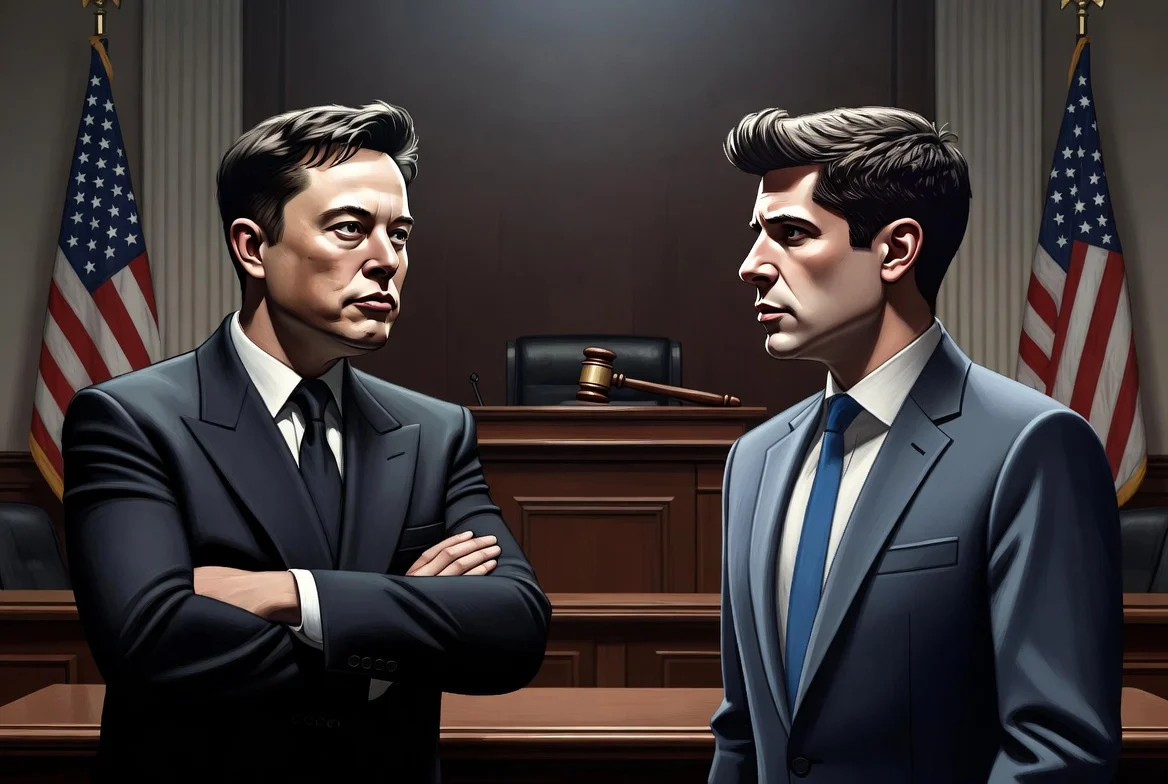
When Elon Musk and Sam Altman established OpenAI in 2015, their vision was clear: create a nonprofit organization capable of challenging Google’s artificial intelligence supremacy. Fast forward ten years, and the former collaborators now face off in an Oakland, California federal courthouse, disputing the very foundation of their partnership.
The legal dispute, initiated by Musk in 2024, centers on accusations that Altman and co-founder Greg Brockman violated the original founding charter by steering OpenAI toward a for-profit business model. Today, OpenAI commands a market valuation exceeding $850 billion. Meanwhile, Musk’s competing venture, xAI, combined with SpaceX this past February, achieving a staggering $1.25 trillion valuation.
Following three weeks of witness testimony, closing statements concluded last Thursday. Jury deliberations commenced the following Monday.
The Deterioration of a Partnership
The relationship between these tech titans began on remarkably positive terms. Early correspondence from 2015 captures Musk’s enthusiasm: “I’m super impressed with everyone so far. This is a great team.”
However, tensions emerged by 2017. Court documents reveal Musk advocated for obtaining as much as 90% ownership stake in any potential for-profit conversion and floated the possibility of integrating OpenAI within Tesla. These proposals were firmly rejected by Altman and other founding members.
Musk’s departure from OpenAI’s board occurred in 2018, following contributions totaling roughly $38 million—significantly below his initial $1 billion commitment. His courtroom testimony emphasized his role: “I came up with the idea, the name, recruited the key people, taught them everything I know, provided all the initial funding.”
Altman’s defense maintained that no binding agreements existed regarding OpenAI’s organizational structure, arguing instead that Musk’s insistence on absolute authority caused the irreparable split.
“Elon said he would only work on companies that he totally controlled,” Altman stated during his testimony.
Scrutiny of Altman’s True Objectives
Trial proceedings exposed 2017 internal correspondence where co-founders Ilya Sutskever and Greg Brockman challenged Altman’s intentions, directly questioning: “Is AGI truly your primary motivation? How does it connect to your political goals?”
Under cross-examination, Altman confirmed he had contemplated entering California’s gubernatorial race. Since then, he has engaged with more than 100 Congressional members, and OpenAI currently collaborates with Democratic strategists as preparations continue for a potential public offering.

Altman’s legal representation characterized Musk’s lawsuit as motivated by “vengeance,” with damages sought totaling $150 billion. Conversely, Musk’s attorneys described Altman’s preoccupation with maintaining his CEO position as a “fixation” potentially driven by political aspirations.
Addressing Altman’s credibility, Musk’s counsel posed a direct question: “Do you always tell the truth?” Altman’s response: “I believe I’m a truthful person…I am sure there is some time in my life when I have not.”
Implications Moving Forward
Both SpaceX and OpenAI are pursuing public market entries. SpaceX anticipates submitting its IPO documentation potentially within days. The trial outcome could significantly influence OpenAI’s timeline and strategy.
UC Berkeley law professor Stavros Gadinis offered a sobering assessment: “After weeks of damaging testimony, the public is left choosing between two dueling billionaires, each convinced he is the rightful steward of transformative technology. The answer most people will reach is: neither.”
The jury must now render judgment on whether Altman and Brockman bear liability for breach of charitable trust and unjust enrichment claims.
Get 3 Free Stock Ebooks
Discover top-performing stocks in AI, Crypto, and Technology with expert analysis.
- Top 10 AI Stocks - Leading AI companies
- Top 10 Crypto Stocks - Blockchain leaders
- Top 10 Tech Stocks - Tech giants


