



Key Takeaways
- Ethereum operates as the dominant smart contract blockchain with extensive applications across DeFi, NFTs, stablecoins, and tokenized real-world assets
- XRP maintains a specialized focus on cross-border payments and institutional settlement infrastructure, representing a concentrated investment thesis
- Ethereum’s ecosystem gains strength from Layer 2 scaling solutions, robust developer engagement, and diversified revenue streams
- XRP presents greater upside potential contingent on widespread institutional adoption becoming reality rather than remaining speculative
- Franklin Templeton’s XRP ETF application signals growing institutional attention, though practical utilization remains below expectations
Ethereum and XRP represent two of the cryptocurrency market’s most recognizable assets, yet their fundamental architectures serve distinctly different visions. Selecting between these digital assets transcends simple token preference—it requires choosing between contrasting technological and business strategies.
Ethereum functions as a programmable blockchain platform. Its infrastructure supports decentralized financial protocols, digital asset issuance, non-fungible tokens, real-world asset tokenization, and countless decentralized applications. XRP, conversely, specializes in facilitating payments, cross-border settlements, and institutional value transfer.
Why Ethereum’s Ecosystem Dominance Matters
Ethereum maintains substantial advantages through powerful network effects. Developers gravitate toward Ethereum because the platform already hosts users, capital, development frameworks, and robust infrastructure. This creates a self-reinforcing dynamic: expanding applications attract additional users, growing user bases increase available liquidity, and deeper liquidity draws more developers to build.
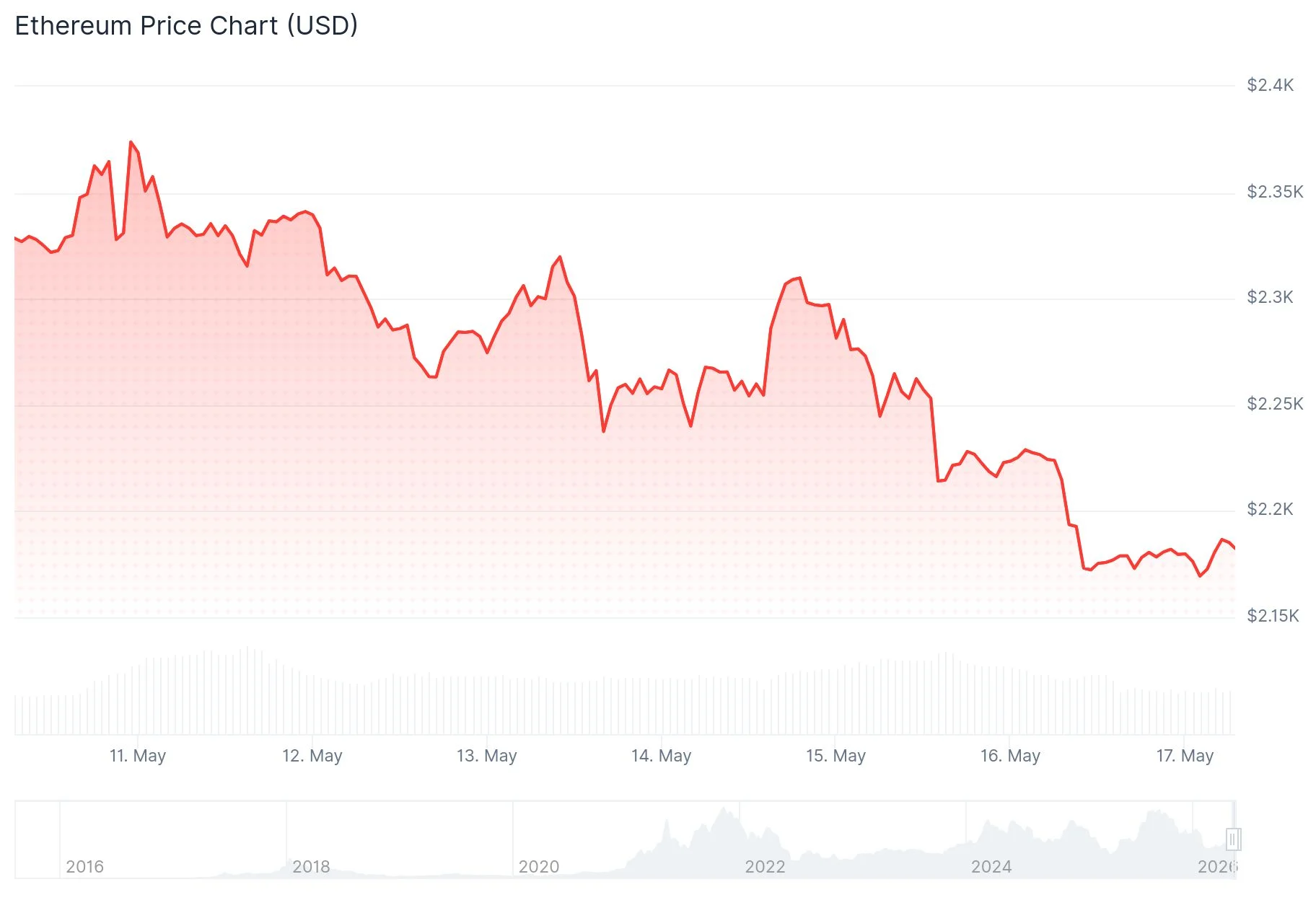
Ethereum has strategically evolved through Layer 2 scaling networks. These solutions dramatically lower transaction expenses while preserving Ethereum as the foundational settlement infrastructure. This architectural approach transforms Ethereum from a singular blockchain into an interconnected financial network.
This structural advantage holds significant implications for investors. Ethereum possesses numerous growth vectors: decentralized finance protocols, stablecoin infrastructure, institutional exchange-traded funds, staking yields, asset tokenization platforms, and Layer 2 transaction volume. This diversification creates multiple pathways toward sustained value appreciation.

XRP lacks comparable ecosystem breadth. The XRP Ledger delivers impressive speed and efficiency, yet hasn’t cultivated a substantial application developer community. Its investment value remains concentrated primarily around payment facilitation and institutional settlement use cases.
XRP’s Asymmetric Returns Come With Concentrated Risks
XRP currently maintains approximately $87 billion in market capitalization, positioning it below Ethereum’s valuation. Should XRP successfully capture significant institutional payment volume and ETF investment flows, its price could experience substantial appreciation from present levels.
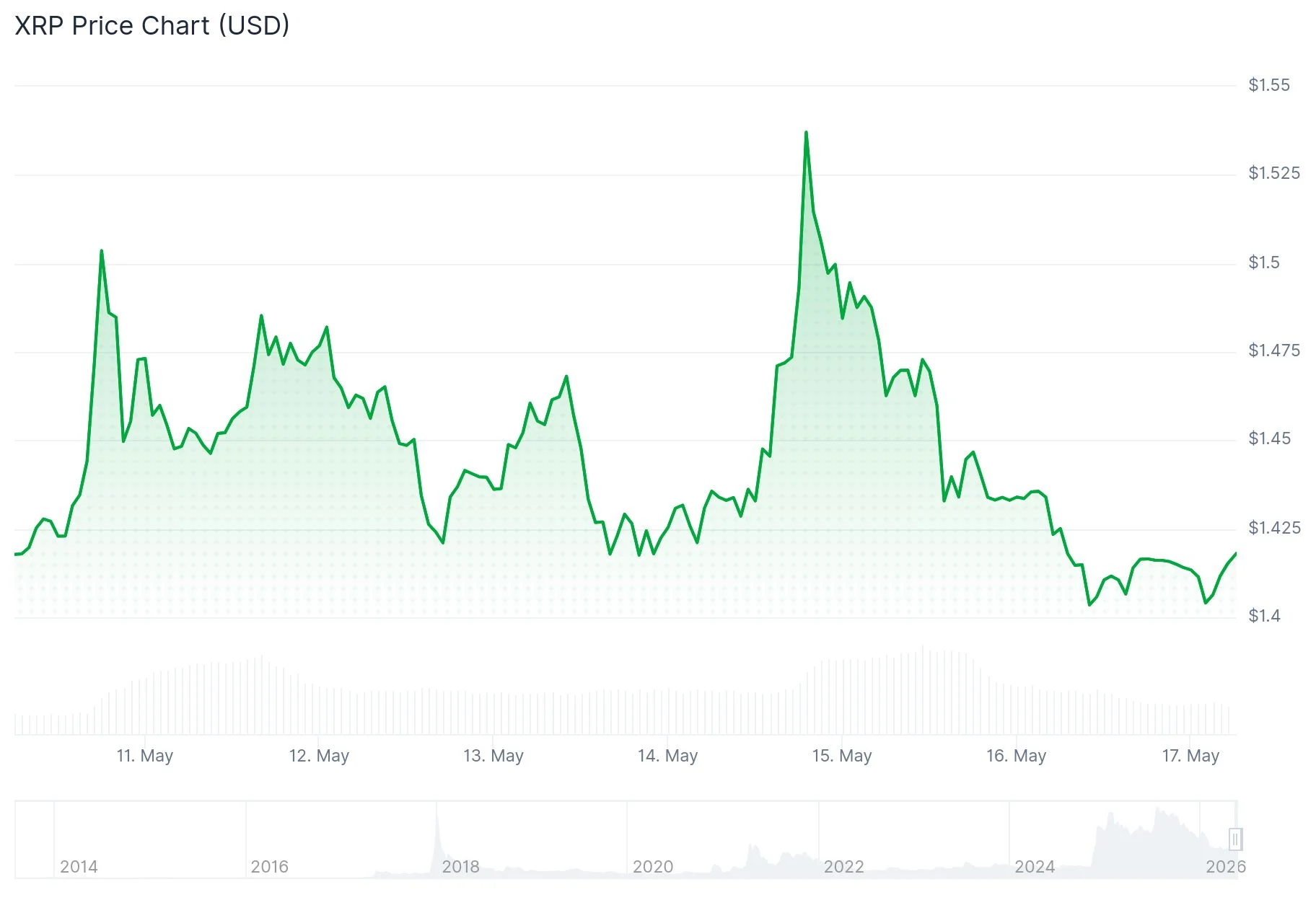
Ripple representatives have indicated that XRP exchange-traded fund products are generating considerable institutional curiosity. Reuters coverage confirmed Franklin Templeton submitted regulatory filings for an XRP ETF, demonstrating that traditional asset managers are expanding their crypto offerings beyond Bitcoin exposure.
However, XRP’s primary vulnerability lies in the gap between narrative and actual adoption. Financial institutions might alternatively embrace stablecoins, permissioned blockchain networks, Ethereum-based tokenization solutions, or central bank digital currencies. If these alternatives gain preference, XRP would face significant headwinds in justifying valuation expansion.
Ethereum confronts distinct challenges as well. Network congestion can trigger fee escalation during peak demand periods. Solana continues presenting competitive pressure. Citi analysts have highlighted Ethereum’s vulnerability to fluctuating network activity and evolving regulatory frameworks. Additionally, some transaction volume has migrated toward Layer 2 platforms, reducing mainnet activity.
Nevertheless, Ethereum maintains diversified success scenarios. XRP fundamentally requires institutional payment adoption to achieve meaningful scale. Ethereum’s value proposition doesn’t depend on any singular outcome materializing.
For investors pursuing sustainable crypto exposure with reduced concentration risk, Ethereum presents superior fundamentals, a more extensive developer ecosystem, and substantially deeper market liquidity. XRP suits investors comfortable accepting elevated risk in exchange for potentially outsized returns should the institutional payments narrative fully materialize.
Get 3 Free Stock Ebooks
Discover top-performing stocks in AI, Crypto, and Technology with expert analysis.
- Top 10 AI Stocks - Leading AI companies
- Top 10 Crypto Stocks - Blockchain leaders
- Top 10 Tech Stocks - Tech giants


