


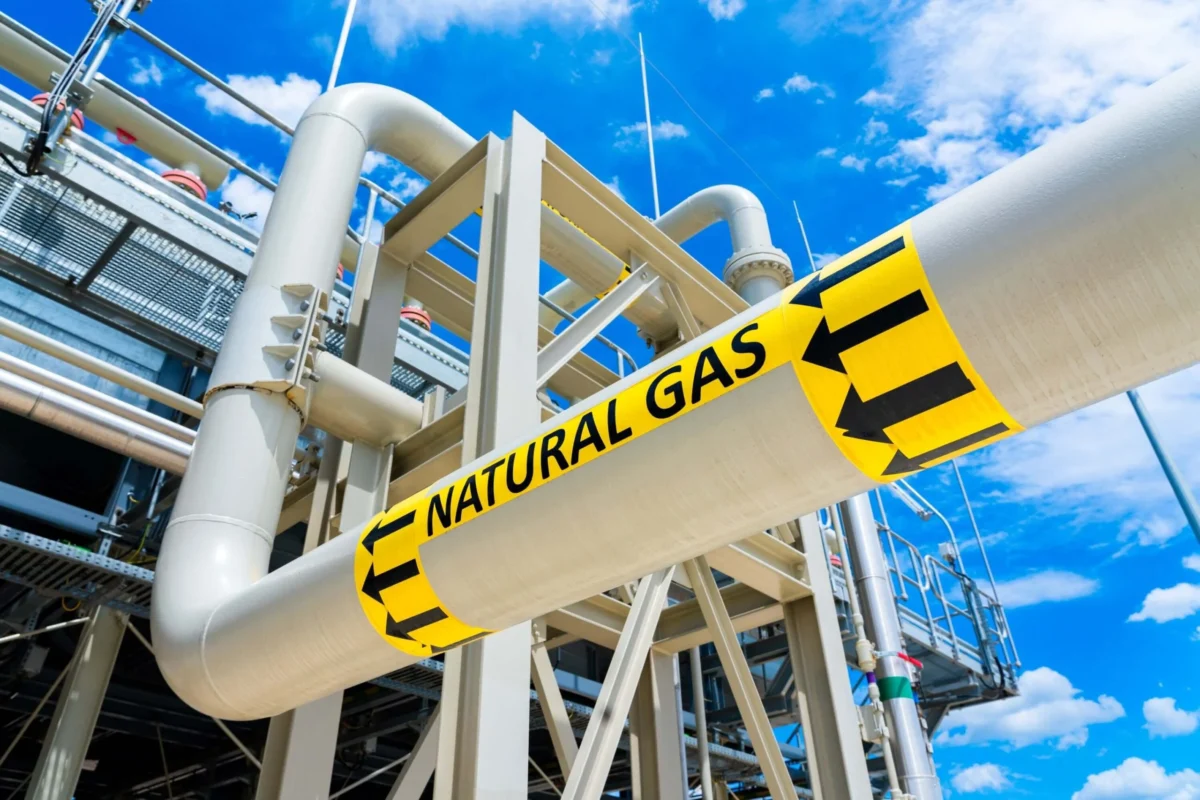
Key Highlights
- Natural gas prices across Europe jumped by as much as 6% on Monday, marking the highest values recorded since the energy crisis of 2022-2023
- Gas reserves across the continent stand at approximately 68% capacity, significantly beneath the five-year historical average exceeding 80%
- The Kingdom of Saudi Arabia has closed its East-West petroleum pipeline, limiting alternative routes around the strategically vital Strait of Hormuz
- The chief executive of JERA cautioned that maritime shipping challenges near the Strait of Hormuz may persist longer than initially anticipated
- Brent crude oil prices climbed toward $112 per barrel, intensifying stagflationary concerns throughout European markets
Natural gas markets across Europe experienced a dramatic surge on Monday, with prices climbing as much as 6% to reach levels not witnessed since the continent’s 2022-2023 energy emergency. The sharp increase stems from mounting geopolitical tensions in the Middle East combined with alarming warnings regarding insufficient winter fuel reserves throughout the region.
The TTF futures contract traded in the Netherlands, which serves as the primary pricing benchmark for European gas markets, advanced to approximately 83-84 euros per megawatt-hour. This price point exceeds the levels observed in January 2023, when European nations confronted their initial winter season with drastically reduced Russian natural gas pipeline imports.
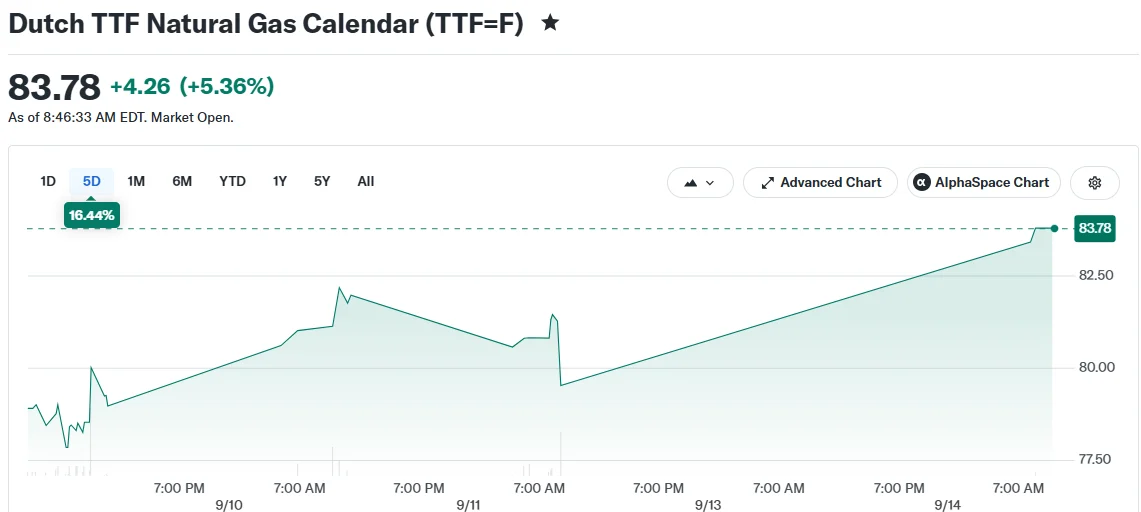
Meanwhile, the United Kingdom’s NBP wholesale gas benchmark similarly advanced nearly 5%, surpassing the psychologically significant 200 pence per therm threshold for the first time in several years.
Underground Reserves Hit Critical Lows
Current data shows Europe’s underground natural gas storage facilities are filled to just below 70% of total capacity. This figure stands in stark contrast to 82% at the identical time in 2025 and the five-year historical average that exceeds 80%.
Energy market analysts indicate that Europe is approaching the winter heating season with some of the most depleted storage reserves witnessed in approximately twenty years. This substantial deviation from historical norms has created significant anxiety within energy trading circles.

Yukio Kani, who serves as CEO and Chairman of JERA—Japan’s premier power generation company and among the globe’s largest liquefied natural gas purchasers—delivered a stark warning on Monday. He emphasized that European stockpiles remain worryingly low while shipping complications surrounding the Strait of Hormuz may extend beyond current market expectations.
Geopolitical Tensions Tighten Supply
The catalyst for Monday’s pronounced price movement came after Saudi Arabia announced the closure of its East-West petroleum pipeline during the weekend. This critical infrastructure enables the kingdom to transport crude oil while circumventing the Strait of Hormuz chokepoint.
Escalating military tensions throughout the Persian Gulf region have already curtailed LNG tanker movements through the strait to minimal levels. Qatar, ranking among the planet’s premier LNG exporters, relies extensively on this maritime passage.
Additionally, Houthi militants operating from Yemen have pushed closer to crucial Red Sea shipping lanes. Recent attacks targeting regional pipeline systems have further complicated efforts to utilize backup transportation routes.
Commodity tracking firm Kpler’s analysts have issued warnings about an emerging worldwide “fight for fuel,” particularly should the approaching winter prove colder than forecasted. Asian spot market LNG valuations reached their peak since 2022 last week, demonstrating that competition for available shipments continues to escalate.
The head of commodity strategy at Saxo Bank observed that current disruptions have elevated European natural gas prices to the energy equivalent of $140 per barrel in oil terms.
Rising Energy Prices Challenge Monetary Policy
Brent crude oil prices increased approximately 3-4% during Monday’s trading session, approaching $112 per barrel. This development compounds the energy price surge already impacting European economic activity.
The European Central Bank increased its deposit facility rate to 2.50% during last Thursday’s policy meeting. With both natural gas and petroleum prices continuing their upward trajectory, financial market participants now anticipate central banks maintaining restrictive monetary policy settings well into the coming year.
Escalating energy expenditures elevate the probability of widespread inflationary pressures spreading across the eurozone economy. This dynamic places monetary policymakers in an increasingly challenging position as the winter season approaches.
Get 3 Free Stock Ebooks
Discover top-performing stocks in AI, Crypto, and Technology with expert analysis.
- Top 10 AI Stocks - Leading AI companies
- Top 10 Crypto Stocks - Blockchain leaders
- Top 10 Tech Stocks - Tech giants


