


TLDR
- Iran’s suspension of nuclear negotiations triggered a 6.2% rally in Brent crude to $96.77, while WTI surged 7% to $93.48
- ExxonMobil shares gained 2.9% to $149.41, breaking a seven-session decline
- BP topped energy majors with a 3.5% advance; Chevron and Shell each rose more than 2%
- First-quarter earnings showed XOM delivered $1.16 EPS, surpassing the $0.98 analyst forecast
- Wall Street maintains a “Hold” rating with an average price target of $165.55
Oil prices experienced a significant surge Monday following Iran’s decision to halt indirect negotiations, blaming ongoing Israeli military operations in Lebanon for the breakdown. The geopolitical development provided substantial upward momentum for crude markets and energy equities.
Brent crude futures advanced 6.2% to reach $96.77 per barrel. West Texas Intermediate gained 7% to settle at $93.48. These represent substantial single-session movements for petroleum benchmarks.
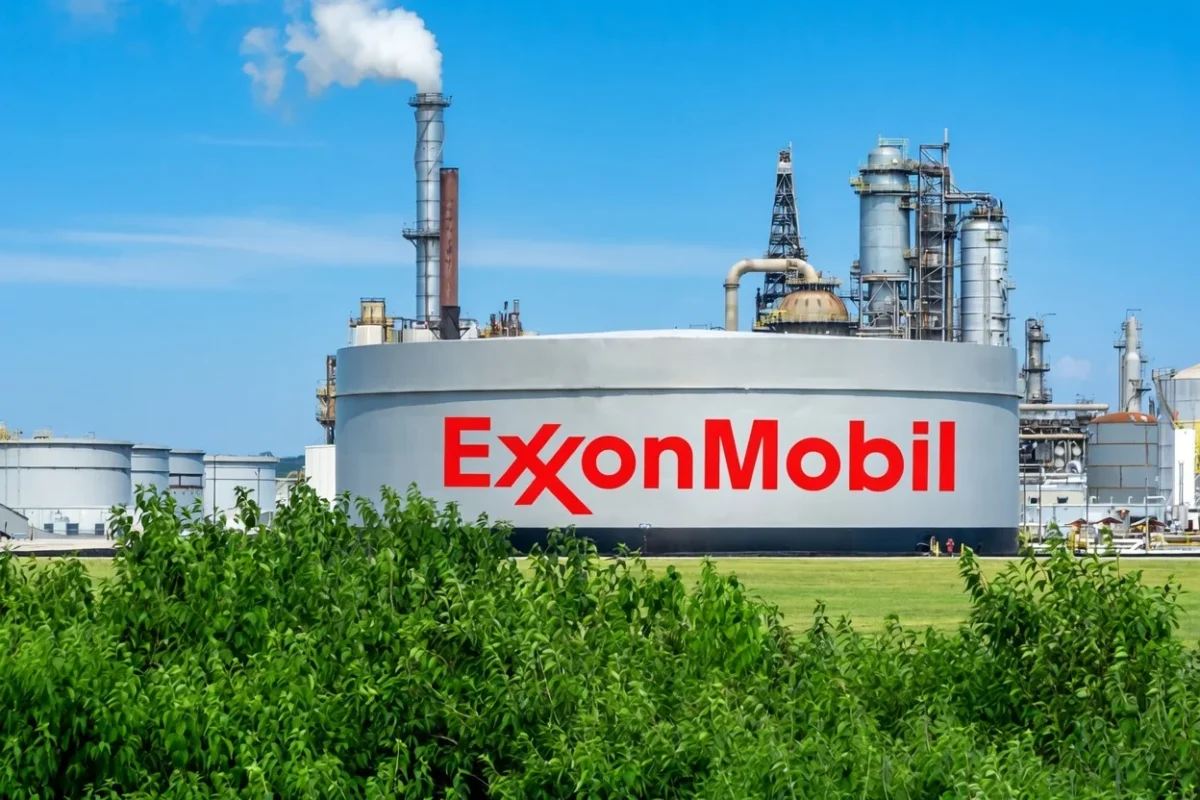
Shares of ExxonMobil (XOM) advanced 2.9% to $149.41 during late-morning activity, breaking a seven-consecutive-session decline. According to Dow Jones Market Data, the move represents the company’s strongest daily performance since mid-May. Intraday trading saw shares peak at $149.59.
Chevron (CVX) climbed 2.9% to $187.67, marking its largest single-day advance since early March. BP (BP) topped the energy sector with a 3.5% jump to $43.34 — likewise its strongest performance since March 11. Shell (SHEL) American Depositary Receipts increased 2.2% to $85.99. The Energy Select Sector SPDR Fund (XLE) gained 2.3% to $57.56.

The reversal carries notable irony: throughout the previous week, petroleum prices had declined on expectations of a potential U.S.-Iran diplomatic breakthrough. Those prospects have now evaporated.
Patrick De Haan of GasBuddy offered a straightforward assessment: “The coast is anything but clear.” Despite recent relief at the pump — the nationwide average for regular gasoline declined 19.5 cents over seven days to $4.256 per gallon — escalating geopolitical uncertainties could quickly eliminate those savings.
Fundamentals Hold Up
Beyond Monday’s volatility, XOM’s financial performance remains robust. First-quarter earnings per share reached $1.16, exceeding the analyst consensus of $0.98 by $0.18. Quarterly revenue totaled $83.16 billion, surpassing the $81.13 billion projection — representing a 2.4% increase year-over-year.
ExxonMobil announced a quarterly cash dividend of $1.03 per share, scheduled for distribution on June 10. The payout represents a 2.8% annualized dividend yield.
Analyst sentiment remains cautiously optimistic without aggressive upgrades. Barclays elevated its price objective to $182 with an Overweight recommendation on May 26. Scotiabank increased its target to $163 alongside a Sector Outperform rating. Mizuho revised its 2026 and 2027 crude price forecasts upward and subsequently raised its XOM valuation.
The consensus recommendation among 21 Wall Street analysts stands at “Hold” with a mean price target of $165.55 — approximately 10.8% above Monday’s trading level.
Institutional Interest Remains Steady
Peapack Gladstone Financial reduced its XOM stake by 1.7% during the fourth quarter, yet maintains 708,829 shares worth approximately $85.3 million — representing the firm’s 17th-largest portfolio position.
Institutional shareholders collectively control 61.8% of XOM’s outstanding shares. Corporate insider transactions have been limited; Vice President Darrin L. Talley divested 1,080 shares in March at $155.50 each.
XOM commenced Monday’s session at $145.42. The equity trades within a 52-week band of $101.18 to $176.41 and carries a market capitalization of $602.75 billion.
Since the initial U.S. and Israeli strikes on Iran on February 28, XOM shares have actually declined 2.2% — representing the weakest performance among major integrated oil companies during that timeframe. BP leads the group with an 11.5% gain over the identical period.
Get 3 Free Stock Ebooks
Discover top-performing stocks in AI, Crypto, and Technology with expert analysis.
- Top 10 AI Stocks - Leading AI companies
- Top 10 Crypto Stocks - Blockchain leaders
- Top 10 Tech Stocks - Tech giants


