



Key Takeaways
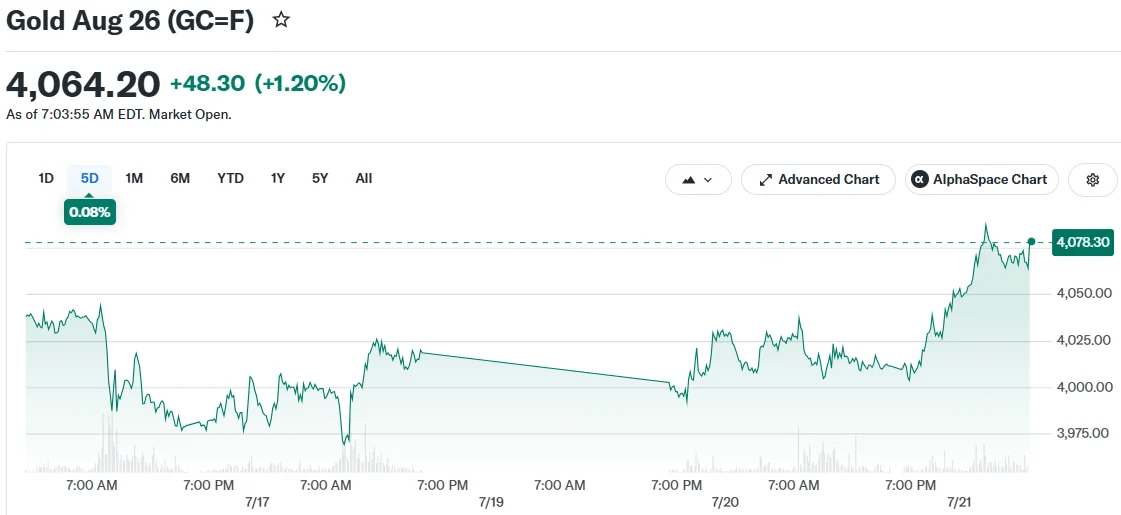
- Precious metal spot prices advanced 1.5% to reach $4,067.55 amid diplomatic progress in Middle Eastern tensions
- Iran ceasefire proposal spanning 10 days may alleviate concerns over oil-fueled price pressures
- Market expectations point to unchanged Fed policy next week, though September rate increase probability stands at 54%
- Yellow metal has declined 22% from late February war onset, maintaining a 21% annual advance
- Central bank purchases persist at elevated levels, Poland leading net acquisitions in early 2026
Precious metal valuations advanced Tuesday as market participants monitored peace initiatives targeting Middle Eastern hostilities, with optimism that conflict resolution might diminish oil-related inflationary pressures and shape monetary policy trajectories.
The spot market for gold registered a 1.5% increase, reaching $4,067.55 per ounce. Futures contracts mirrored this momentum, advancing 1.4% to settle at $4,072.45.
According to Reuters sources, a high-ranking Iranian representative confirmed mediators have introduced a 10-day cessation of hostilities framework. This diplomatic maneuver seeks to preserve provisional agreement structures while establishing conditions for comprehensive negotiations.
However, ongoing military exchanges between conflicting parties indicate hostilities continue largely unabated. This persistence has intensified concerns regarding the Strait of Hormuz, a critical maritime corridor that facilitated one-fifth of global oil and liquefied natural gas transportation before hostilities commenced in late February.
Additionally, Iran-aligned Houthi forces operating from Yemen have issued warnings about potential Saudi vessel blockades, potentially expanding the geographical scope of the confrontation.

Monetary Policy Concerns Impact Precious Metal Sentiment
Financial markets harbor anxiety that compromised oil flows will accelerate inflationary trends, compelling monetary authorities toward tightening measures. The Federal Reserve appears positioned to maintain current policy settings during next week’s gathering. Nevertheless, CME FedWatch analytics indicate approximately 54% probability for a 25-basis-point adjustment come September.
Elevated interest rate environments typically disadvantage gold, which generates no income stream. As financing expenses climb, the comparative disadvantage of maintaining gold positions intensifies.
“Expectations for higher real rates have created headwinds for gold, particularly as investment capital flows demonstrate ongoing volatility,” noted Dominic Schnider, Head Global FX and Commodity at UBS Global Wealth Management.
Since conflict eruption on February 28, gold valuations have retreated 22%. This movement caught numerous investors off-guard, considering geopolitical turbulence traditionally bolsters precious metal demand.
The probable explanation centers on market anticipation of Fed tightening measures designed to combat petroleum-driven inflation, thereby diminishing the attractiveness of yield-free holdings including gold.
Institutional Demand Remains Robust
Notwithstanding recent valuation declines, certain market observers characterize the pullback as a strategic accumulation window. Gold’s trailing twelve-month performance registers a 21% appreciation, marginally surpassing the S&P 500.
Central banking institutions have maintained substantial gold acquisition programs since Russia’s 2022 Ukraine incursion. This pattern underscores strategic efforts by various nations to diminish dollar-denominated reserve concentrations.
World Gold Council data identifies Poland as the foremost net purchaser during the first semester of 2026. Conversely, Turkey liquidated 81 metric tons valued at approximately $10.6 billion throughout the identical timeframe.
Recently appointed Fed Chair Kevin Warsh has provided minimal guidance regarding future rate trajectories. His established task forces examining inflation dynamics and artificial intelligence productivity implications may not deliver findings until year-end, perpetuating market uncertainty.
Silver likewise recorded Tuesday gains, advancing 4.4% to $58.92 per ounce. Platinum appreciated 1.9% to reach $1,632.80.
Get 3 Free Stock Ebooks
Discover top-performing stocks in AI, Crypto, and Technology with expert analysis.
- Top 10 AI Stocks - Leading AI companies
- Top 10 Crypto Stocks - Blockchain leaders
- Top 10 Tech Stocks - Tech giants


