



Key Highlights
- Bullion prices are sustaining levels above $4,500 per ounce, advancing approximately 4% over the week and gaining 11% throughout August
- The Treasury Department expanded long-term debt repurchases by 100%, driving down yields and pressuring the dollar
- Scott Bessent, head of the Treasury, indicated additional buyback expansion remains possible
- Declining yields and dollar weakness diminish the opportunity cost associated with non-yielding gold holdings
- Elevated crude oil prices and persistent inflation concerns may cap additional upside for the precious metal
Bullion is poised to secure its third consecutive weekly advance, with prices hovering near $4,530 per ounce as dollar weakness and strategic Treasury debt operations continue supporting the upward momentum.
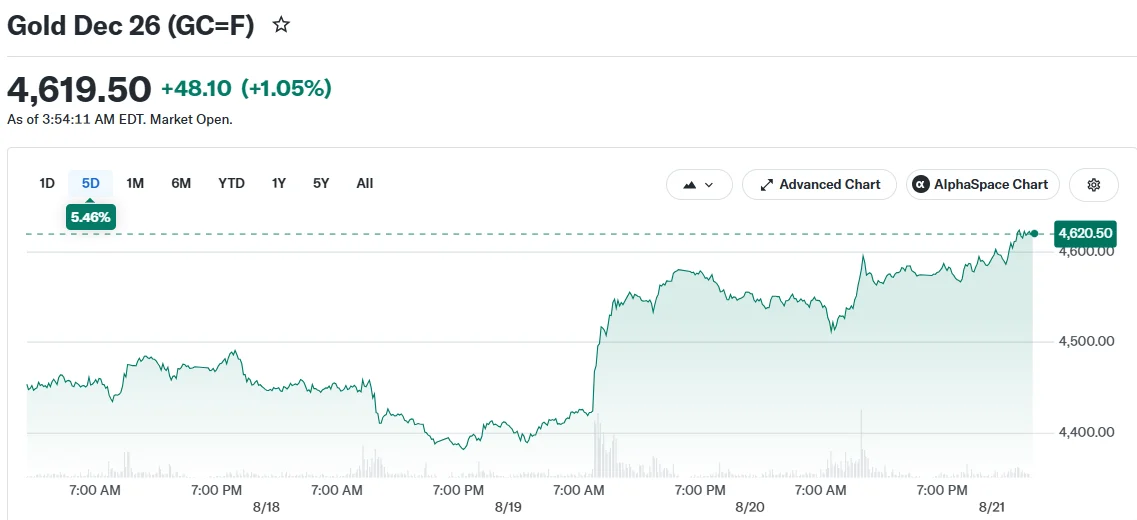
The precious metal has rallied approximately 4% during the current trading week and has posted gains exceeding 11% throughout August. Gold futures contracts similarly advanced, reaching levels around $4,587.
Debt Repurchase Program Suppresses Bond Yields
Earlier this week, the Treasury Department revealed plans to increase repurchases of longer-maturity government bonds to a minimum of $4 billion per operation throughout the upcoming quarter. This strategic shift triggered a decline in long-term yields while simultaneously applying downward pressure on the greenback.
During remarks Thursday, Treasury Secretary Scott Bessent indicated the administration remains open to further expanding these debt purchases. He additionally noted that prevailing yields fail to accurately represent underlying economic fundamentals.
As bond yields contract, gold gains relative appeal among investors since the foregone interest income from holding non-yielding bullion versus interest-bearing bonds diminishes. Declining yields simultaneously pressure the dollar, enhancing gold’s affordability for international purchasers operating in alternative currencies.

The U.S. dollar index slipped 0.1% to reach 98.77 during Friday trading and appeared positioned for a weekly decrease exceeding 0.8%.
Silver likewise posted gains, increasing roughly 1% to settle at $68.79 per ounce. Platinum registered a 1.6% advance to $1,866.
Monetary Policy Expectations and Global Tensions
Weekly unemployment insurance applications registered below expectations, indicating labor market resilience despite an unexpected contraction in July payrolls. The Federal Reserve maintains its primary focus on controlling inflation rather than implementing rate reductions.
Current market pricing reflects approximately 64% probability the Fed maintains existing rates in September, with a 36% likelihood of an increase, based on CME FedWatch Tool projections.
Several Federal Reserve policymakers have expressed unease regarding how Treasury’s debt management approach might inadvertently ease financial conditions during a period when the central bank continues battling inflationary pressures.
Regarding international affairs, Bessent announced forthcoming sanctions against Iran would represent the most stringent measures ever implemented. He suggested these economic penalties could potentially reduce requirements for significant military intervention.
Oil prices experienced substantial increases this week following President Trump’s declarations threatening devastating economic consequences for Iran, effectively eliminating prospects for a diplomatic resolution regarding Strait of Hormuz access. Climbing energy costs could sustain elevated inflation and potentially constrain gold’s further appreciation.
Gold had previously retreated approximately 15% from pre-conflict peaks following the eruption of U.S.-Iran tensions in late February. The metal successfully defended the $4,000 threshold since mid-July when purchasing activity emerged following that correction.
Analysts at ANZ observed that this week’s price action underscores gold’s ongoing attractiveness for investors seeking portfolio diversification away from U.S.-denominated assets.
Get 3 Free Stock Ebooks
Discover top-performing stocks in AI, Crypto, and Technology with expert analysis.
- Top 10 AI Stocks - Leading AI companies
- Top 10 Crypto Stocks - Blockchain leaders
- Top 10 Tech Stocks - Tech giants


