


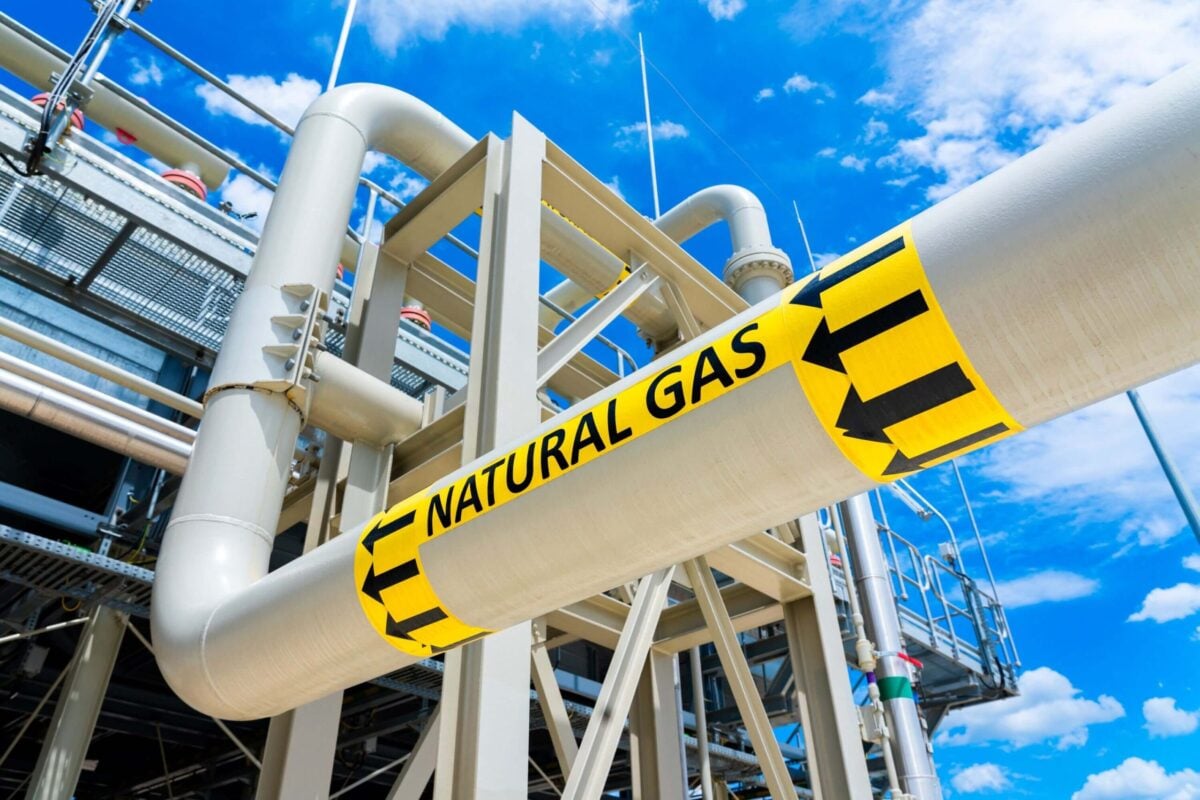
Hormuz Strait Tanker Incident Sends European Natural Gas Prices Soaring
TLDR
- Natural gas prices across Europe jumped more than 3.4% on Monday, reaching peak levels not seen since late March
- An incident involving a commercial vessel in the Strait of Hormuz triggered market concerns
- Approximately 20% of worldwide LNG cargo transits through this critical waterway
- Crude oil prices climbed 2.2%, pushing oil-indexed gas contracts upward
- War-risk insurance costs spiked significantly, directly impacting European gas prices
An incident involving a commercial vessel in the Strait of Hormuz has triggered a significant rally in European natural gas markets, reigniting concerns about the security of global LNG supplies.
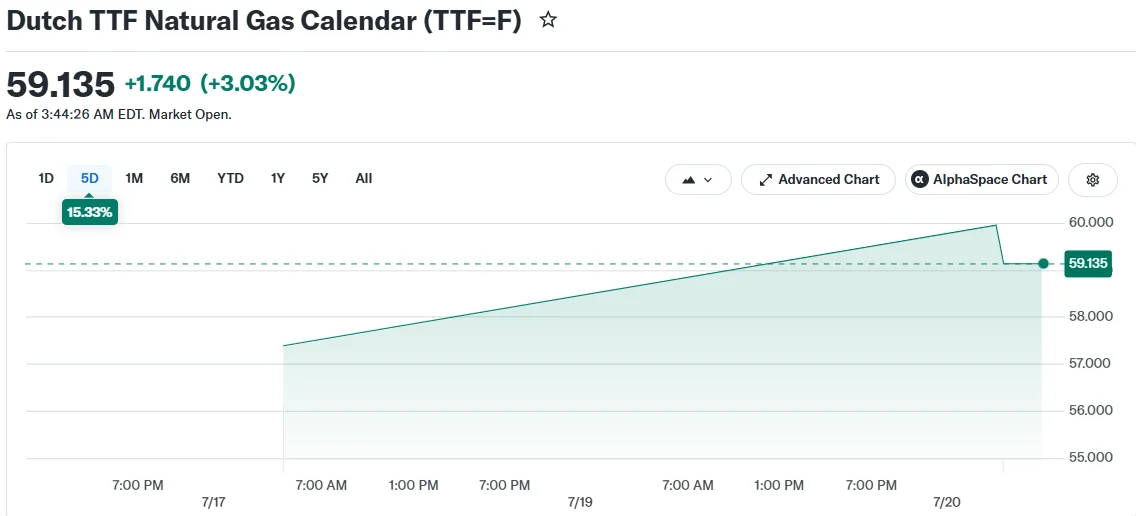
On Monday morning, the Dutch front-month natural gas contract—serving as Europe’s primary benchmark—advanced 3.45%. Meanwhile, the UK’s wholesale gas contract increased 3.52%. These gains pushed both contracts to their strongest levels since March 23.
Middle East Incident Sparks Immediate Market Response
The upward movement followed news that a commercial tanker experienced a fire in the Strait of Hormuz after being struck. This narrow waterway represents one of the world’s most strategically vital passages for energy transportation.
Roughly 20% of global LNG volumes transit through the Strait of Hormuz, predominantly from major Gulf region exporters. Any disruption to this corridor immediately triggers heightened anxiety across European energy trading desks.
Over recent years, Europe has grown increasingly dependent on seaborne LNG deliveries. This shift accelerated after Russian pipeline deliveries plummeted following geopolitical tensions stemming from the Ukraine situation. Today, imported LNG is essential for European residential heating and industrial operations.

Oil markets also reflected the heightened tension, with prices advancing 2.2% during the session. This movement elevated oil-linked gas contracts, compounding the upward pressure on natural gas valuations.
Elevated Insurance Premiums Compound Market Anxiety
Market participants report that LNG shipments continue to pass through the strait, though under enhanced security protocols. While physical flows remain uninterrupted, the risk environment has fundamentally shifted.
War-risk insurance premiums have escalated dramatically as underwriters incorporate heightened security incident probabilities into their pricing models. These increased costs directly translate into higher European wholesale gas valuations.
The timing presents particular challenges for European energy companies. They’re entering a sensitive period where even minor supply disruptions could generate disproportionate price volatility throughout the region.
Energy market participants are now carefully monitoring whether tensions in the Strait of Hormuz intensify. Any prolonged interruption to LNG transportation through this passage could drive prices substantially higher.
The Dutch front-month contract serves as the primary pricing reference for European gas commerce. Monday’s advance to multi-month peaks illustrated how rapidly geopolitical developments can transform energy market dynamics.
Currently, LNG deliveries remain operational, yet the market has already begun incorporating elevated risk premiums. Energy traders and utility companies will maintain close surveillance of developments in coming days.
Monday’s market behavior underscored European energy markets’ continued vulnerability to Middle Eastern events, especially along strategic shipping corridors like the Strait of Hormuz.
Get 3 Free Stock Ebooks
Discover top-performing stocks in AI, Crypto, and Technology with expert analysis.
- Top 10 AI Stocks - Leading AI companies
- Top 10 Crypto Stocks - Blockchain leaders
- Top 10 Tech Stocks - Tech giants


