


Key Takeaways
- Second quarter revenue reached $17.2 billion, reflecting only 1% annual growth and falling short of the $17.85 billion analyst consensus
- Earnings per share of $2.93 (adjusted) trailed expectations of $3.02; Infrastructure segment declined 7%
- Shares plunged from approximately $290 to around $215 during the July 14 trading session
- HSBC issued a Reduce rating with a price target of $191
- Complete Q2 earnings conference call set for July 22, with focus on forward guidance and mainframe performance
International Business Machines (IBM) experienced a devastating selloff on July 14 following the publication of preliminary second-quarter results that blindsided market participants. The technology giant’s shares collapsed from the $290 level to approximately $215 within a single trading day — representing a staggering 26% decline.
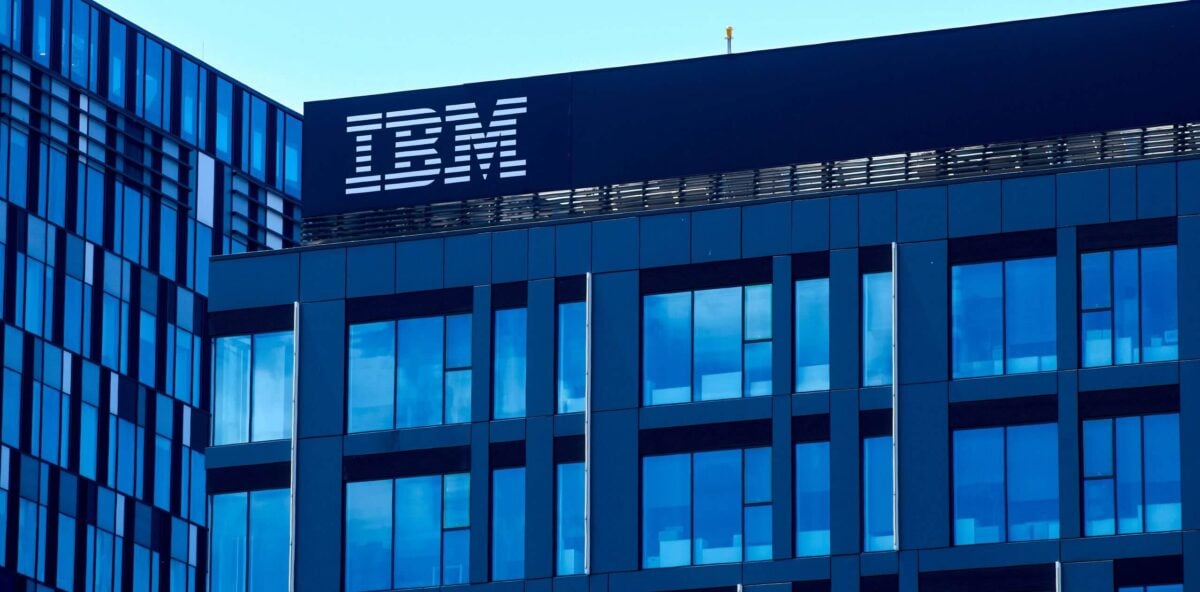
International Business Machines Corporation, IBM
Second quarter revenue totaled $17.2 billion, marking a modest 1% increase compared to the prior-year period. This figure significantly underperformed against Wall Street’s consensus forecast of $17.85 billion. The company’s adjusted earnings per share of $2.93 similarly disappointed, coming in below the anticipated $3.02.
The underperformance spanned multiple business units. The Infrastructure division saw revenue contract by 7%. The company’s Z mainframe franchise, which had posted impressive 51% growth during the first quarter, experienced a sharp reversal. Software segment growth decelerated to 5%, down from the prior quarter’s 11% expansion. The Consulting business remained stagnant.
Chief Executive Arvind Krishna characterized the performance as “disappointing.” He explained that enterprise customers pivoted toward servers, storage solutions, and memory products during late June amid supply chain anxieties. Additionally, several significant contracts failed to finalize within the expected timeframe. Krishna noted that a series of cybersecurity breaches throughout June diverted corporate focus and capital allocation away from IBM’s core offerings.

The stock commenced trading at $211.25 on Thursday, July 16, hovering just above its 52-week nadir of $211.03. The equity’s 50-day moving average currently registers at $264.41.
Analyst Community Responds
HSBC revised its stance on IBM to Reduce, establishing a $191 price objective in the aftermath of the preliminary announcement. BMO Capital Markets lowered its target from $290 to $270 while maintaining a market perform designation. The analyst consensus presently reflects a Moderate Buy recommendation with a mean price target of $307.17, though this aggregate incorporates ratings issued prior to the Q2 warning.
Multiple law firms have initiated securities fraud inquiries connected to the earnings disclosure, compounding downward pressure on the shares.
Not all market observers adopted a negative posture. KKM Financial’s Jeff Kilburg characterized the decline as a purchasing opportunity. Stephanie Link of Hightower emphasized that IBM maintains strong positioning in quantum computing and enterprise artificial intelligence applications. Both Royal Bank of Canada and Piper Sandler maintained favorable ratings during June.
The primary beneficiaries of IBM’s July 14 collapse were Dell and HP Enterprise — the vendors supplying the servers and storage solutions that IBM’s customer base apparently prioritized. IBM’s shortfall translated directly into their advantage.
Jim Cramer had recommended IBM to his audience on July 9, describing the stock as undervalued and commending CEO Krishna’s leadership capabilities. That recommendation quickly proved ill-timed. During an appearance on Squawk on the Street the morning of the crash, Cramer observed that AI-related expenditures seemed to be rotating toward infrastructure and cybersecurity investments — though he did not reiterate the purchase recommendation.
July 22 Earnings Call in Focus
IBM’s comprehensive Q2 earnings presentation is scheduled for July 22. Three critical factors will determine investor sentiment going forward: whether software segment growth can reaccelerate toward the 10% range, whether the consulting division demonstrates sequential improvement, and how executive leadership characterizes the mainframe trajectory.
BofA analysts projected before the preliminary release that IBM would reduce its full-year outlook, particularly for the software business. Should that materialize, additional downside appears likely. Conversely, if Krishna can successfully position the Q2 shortfall as a timing anomaly rather than a fundamental deterioration, sentiment could stabilize.
IBM continues to offer a 2.28% dividend yield, supported by 31 consecutive annual increases. The quarterly distribution was recently elevated to $1.69 per share. Year-to-date free cash flow generation stands at $4.8 billion.
Bank of New York Mellon reduced its IBM holdings by 0.3% during the first quarter, divesting 22,236 shares. Institutional ownership represents 58.96% of outstanding shares.
Get 3 Free Stock Ebooks
Discover top-performing stocks in AI, Crypto, and Technology with expert analysis.
- Top 10 AI Stocks - Leading AI companies
- Top 10 Crypto Stocks - Blockchain leaders
- Top 10 Tech Stocks - Tech giants


