



Key Highlights
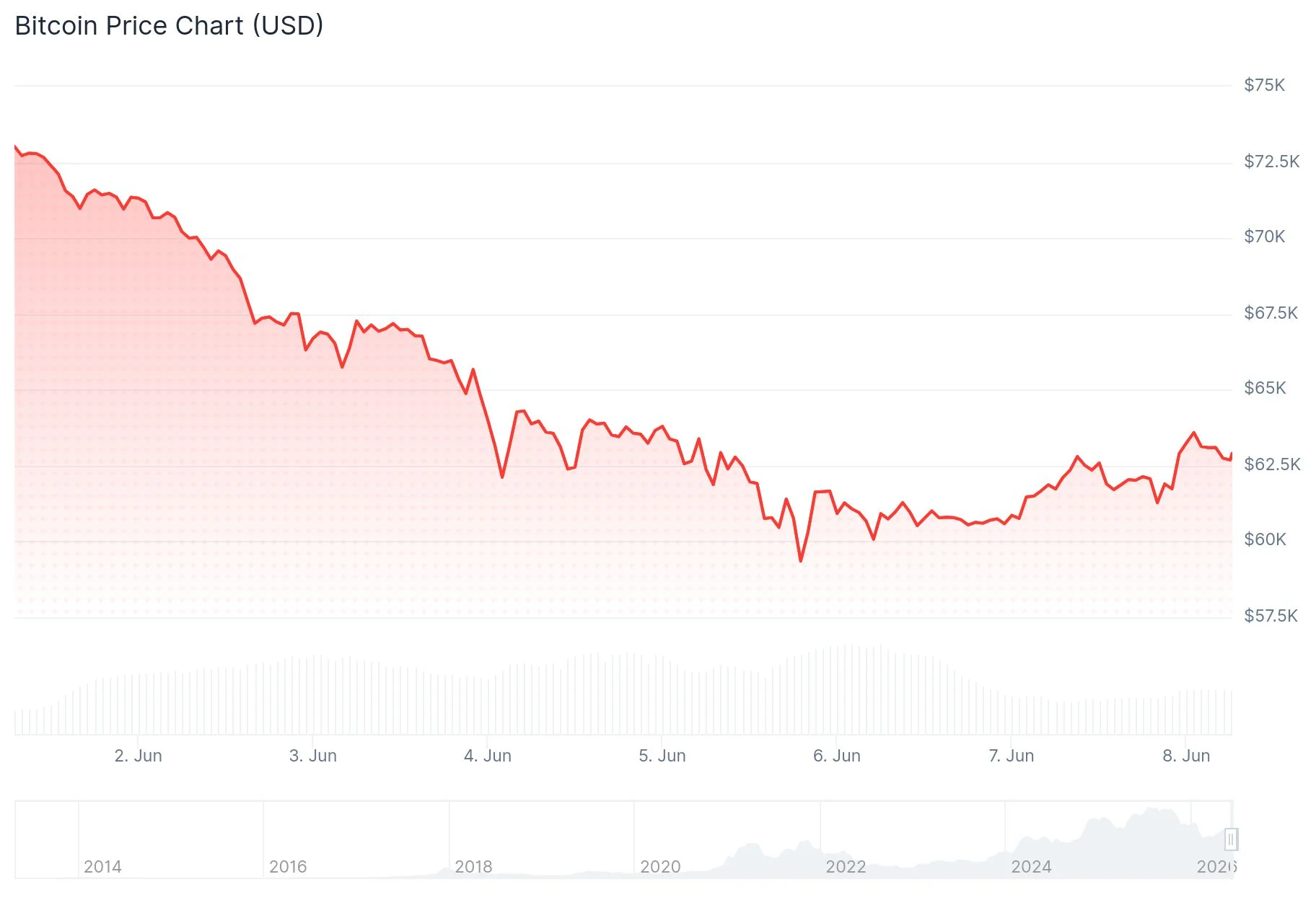
- Bitcoin dropped to approximately $62,900 following military exchanges between Iran and Israel that shattered a temporary ceasefire
- Asian markets experienced severe downturns with South Korea’s KOSPI plunging 6.8% and Japan’s Nikkei declining 3%, prompting circuit breakers
- Crude oil surged more than 3% to reach $93.50, driving Treasury yields upward and creating headwinds for speculative investments
- The Nasdaq suffered a 4.2% decline on Friday, marking its most severe single-session loss since April 2025, with technology stocks leading the retreat
- Bitcoin has shed approximately 14% over the past seven days, momentarily falling beneath the $60,000 threshold
Military hostilities between Iran and Israel intensified over the weekend, destroying a fragile ceasefire that had temporarily stabilized energy markets. The escalation triggered widespread panic across international financial markets as Monday’s trading began.
Bitcoin’s value declined to approximately $62,900 by 4:00 UTC Monday morning. This represents a pullback from Sunday’s peak of $63,776, based on data from CoinDesk.
West Texas Intermediate crude oil futures climbed more than 3% to $93.50 in the aftermath of the military strikes. Escalating energy costs amplify inflation concerns and drive government bond yields upward.
Increasing Treasury yields generally strengthen dollar demand. This dynamic typically creates downward pressure on speculative assets including digital currencies.
U.S. President Donald Trump urged moderation following the attacks. According to Axios, Trump spoke with Israeli Prime Minister Benjamin Netanyahu, requesting that Israel refrain from additional retaliatory action.

Notwithstanding Trump’s diplomatic efforts, Israel launched strikes against Iranian military installations Sunday evening. These operations came as direct responses to Iranian missile launches that occurred earlier the same day.
Severe Declines Hit Asian Trading Sessions
Asian equity exchanges experienced significant losses when Monday trading commenced. South Korea’s KOSPI index collapsed 6.8%, activating an automatic circuit breaker. Japan’s Nikkei index shed more than 3%.
The widespread selloff demonstrated intensifying risk-aversion sentiment throughout international markets. Capital flowed away from equities and other volatile investment vehicles.
U.S. Markets Already Facing Significant Headwinds
U.S. stock index futures showed mixed performance early Monday morning. S&P 500 futures remained essentially unchanged at 7,397.25 points, while Dow Jones futures decreased 0.4%. Nasdaq 100 futures advanced marginally by 0.2%.
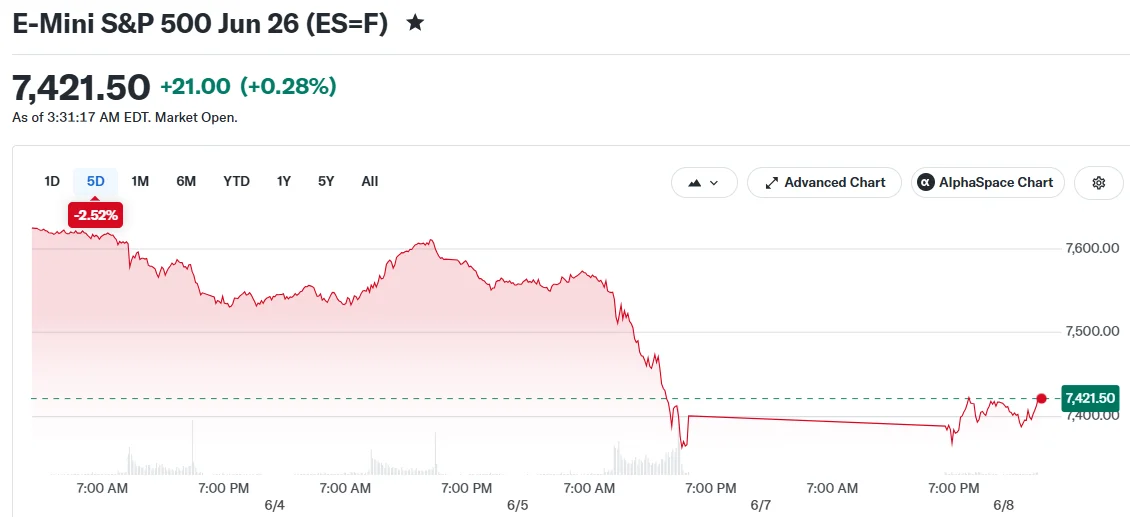
These movements followed substantial Friday losses on Wall Street. The Nasdaq Composite tumbled 4.2% to close at 25,709.43 points, representing its most severe daily decline since April 2025.
The S&P 500 retreated 2.6% to finish at 7,383.74 points. The Dow Jones Industrial Average decreased 1.4% to settle at 50,866.78 points.
Semiconductor equities experienced the heaviest losses. Nvidia declined more than 6% Friday as market participants secured gains following the recent artificial intelligence-fueled rally.
Friday’s downturn was additionally influenced by better-than-anticipated U.S. employment figures. Robust payroll numbers sparked apprehension that the Federal Reserve might maintain elevated interest rates for an extended period.
Bitcoin Confronts Mounting Challenges
Bitcoin was already experiencing downward momentum prior to the weekend’s geopolitical developments. Valuations dropped nearly 14% throughout the previous week, temporarily sliding below $60,000.
Contributing elements included withdrawals from spot Bitcoin exchange-traded funds, capital rotation toward artificial intelligence equities, and Strategy’s recent Bitcoin liquidation.
Market turbulence is anticipated to persist throughout this week. Forthcoming U.S. inflation statistics and significant initial public offerings, including SpaceX and Anthropic, may further impact available market liquidity.
The weekend’s geopolitical complications have damaged prospects for a potential U.S.-Iran diplomatic agreement. Tehran has indicated that a Lebanon ceasefire must be established before any comprehensive negotiations can advance.
Get 3 Free Stock Ebooks
Discover top-performing stocks in AI, Crypto, and Technology with expert analysis.
- Top 10 AI Stocks - Leading AI companies
- Top 10 Crypto Stocks - Blockchain leaders
- Top 10 Tech Stocks - Tech giants


