


Key Points
- AirBaltic, Latvia’s flag carrier, has initiated Chapter 11 bankruptcy proceedings in New York
- The move is designed to facilitate financial reorganization and debt reduction
- All flight operations remain unaffected with valid bookings honored
- €350 million in debtor-in-possession funding has been arranged
- Financing consortium includes Morgan Stanley, Barclays, and Oaktree Capital Management
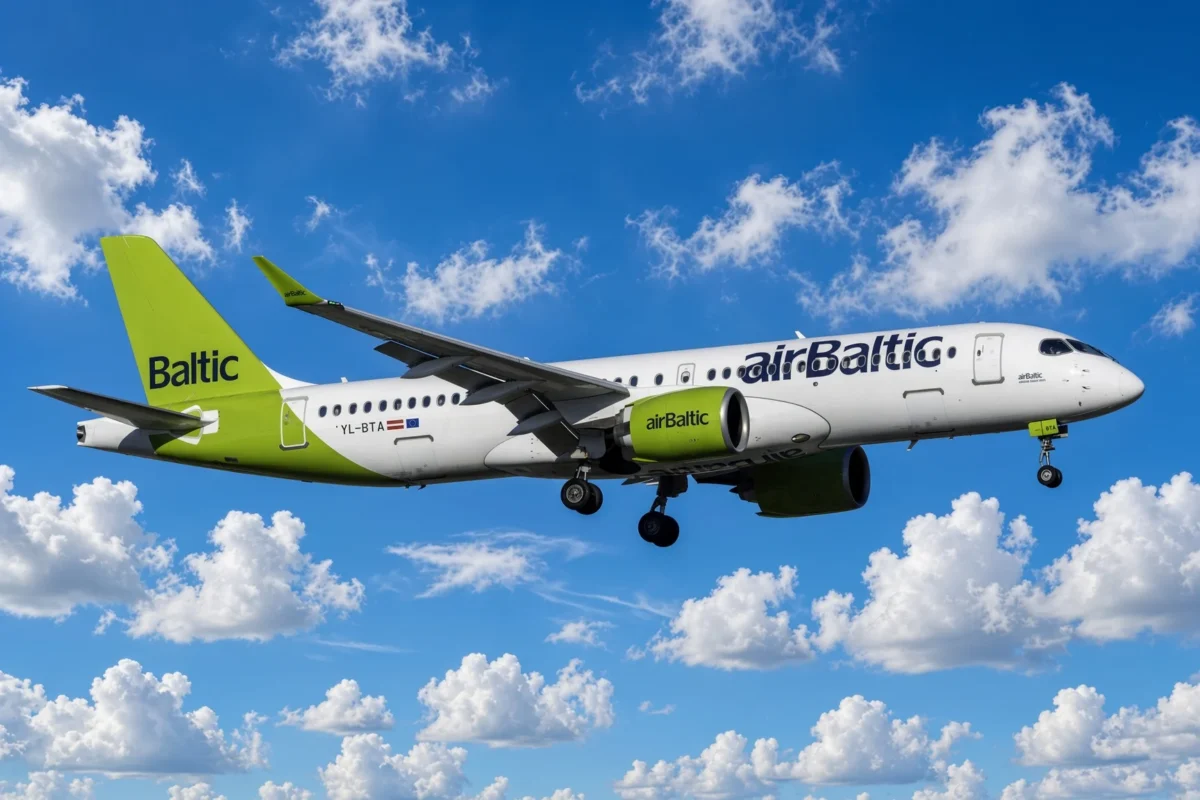
AirBaltic, the national carrier of Latvia, initiated Chapter 11 bankruptcy proceedings in a New York court on Monday, marking a strategic move to restructure its balance sheet and reduce outstanding obligations.
The petition was submitted under provisions of the US Bankruptcy Code. Latvia’s government, maintaining a controlling ownership position in the carrier, is participating in the restructuring initiative.
The carrier moved swiftly to assure travelers that service continuity is guaranteed. All scheduled flights will proceed as planned, with existing bookings and tickets maintaining their full validity throughout the court proceedings.
Customer support services will remain fully functional without any changes, according to an official company announcement.
Funding Arrangement Confirmed
The airline has successfully arranged €350 million—approximately $405 million—in debtor-in-possession credit facilities to sustain operations during the restructuring phase.
This specialized form of bankruptcy financing enables companies under court protection to maintain business operations while navigating the reorganization process.

A consortium of prominent financial institutions is providing the capital. Strategic Value Partners, Barclays, Hayfin Capital Management, Morgan Stanley, and Oaktree Capital Management comprise the lending syndicate.
The participation of these major financial players indicates creditor confidence in the airline’s ability to successfully navigate the restructuring period.
Understanding Chapter 11 Protection
Chapter 11 represents a section of US bankruptcy legislation enabling businesses to maintain operations while reorganizing their financial obligations. Airlines and major corporations frequently utilize this mechanism.
Rather than complete liquidation, Chapter 11 provides companies with protected time to restructure. The objective typically centers on emerging as a streamlined, financially stable entity.
AirBaltic has yet to reveal comprehensive details regarding its total debt position. The court-monitored proceedings will likely encompass extensive creditor negotiations.
The carrier maintains an extensive European route network and international connections. Recent years have seen fleet expansion centered on Airbus A220 aircraft.
Government majority ownership introduces additional political considerations into the reorganization. State-controlled carriers typically encounter heightened examination during financial challenges.
No specific timeline for completing the bankruptcy process has been announced by AirBaltic. Such schedules fluctuate considerably based on negotiation complexity.
New York was selected as the filing jurisdiction, a standard choice for international entities pursuing Chapter 11 protection given its well-developed bankruptcy legal infrastructure.
As of Monday, the carrier emphasized normal operations for all passengers, with no flight cancellations or service modifications anticipated as a consequence of the bankruptcy filing.
Get 3 Free Stock Ebooks
Discover top-performing stocks in AI, Crypto, and Technology with expert analysis.
- Top 10 AI Stocks - Leading AI companies
- Top 10 Crypto Stocks - Blockchain leaders
- Top 10 Tech Stocks - Tech giants


