


Key Takeaways
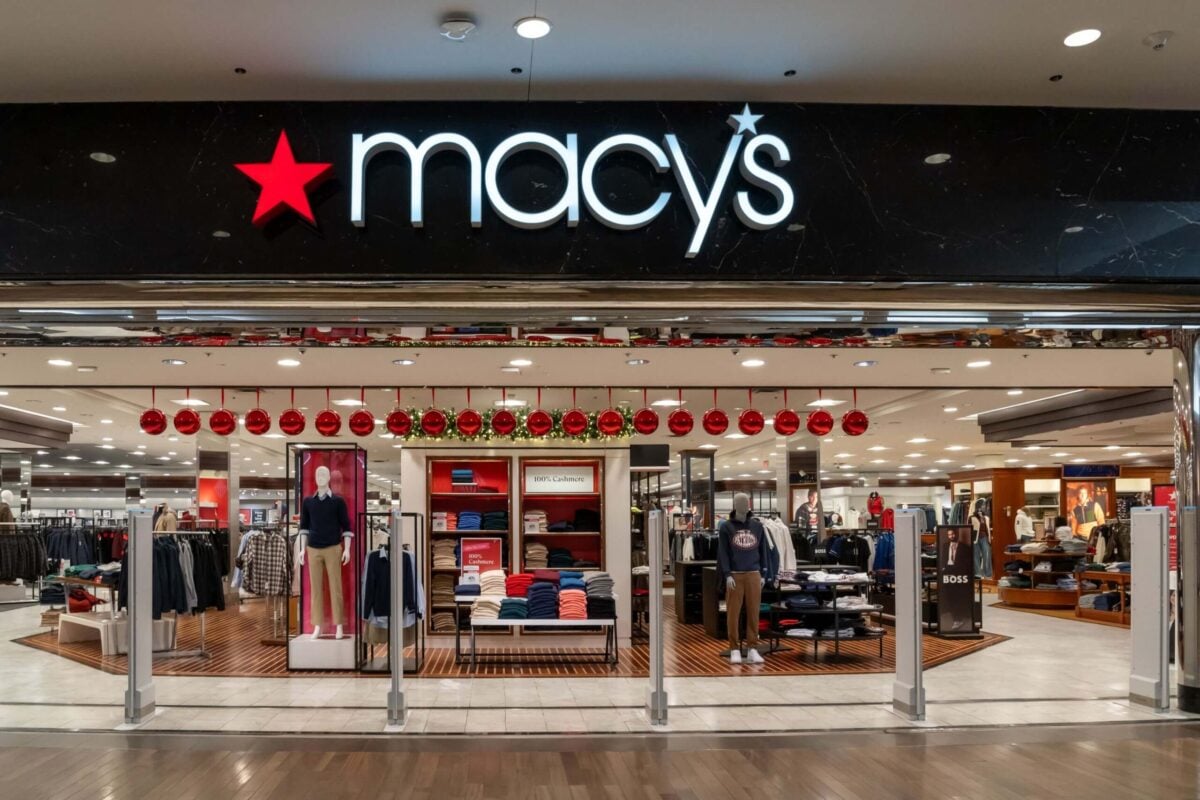
- A fresh Berkshire Hathaway position in Macy’s valued at approximately $55 million was revealed, representing between 3 million and 4 million shares as of the end of Q1.
- Following the disclosure in Berkshire’s 13F filing, Macy’s shares climbed roughly 5–6% during extended trading hours.
- Under new leadership from CEO Greg Abel, Berkshire expanded its Delta Air Lines holdings by nearly 40 million shares while completely divesting from Amazon, Visa, Mastercard, and UnitedHealth.
- The department store chain continues executing a strategic reset, shuttering underperforming locations while doubling down on Bloomingdale’s, Bluemercury, and select flagship stores.
- Management expects fiscal 2026 revenue to decline year-over-year, with tariff-related pressures anticipated to hit hardest during the first quarter.
When Berkshire Hathaway filed its quarterly 13F form detailing holdings through March 31, investors noticed something unexpected: a roughly $55 million position in Macy’s. The disclosure triggered a 5.9% after-hours rally in Macy’s shares late Friday.
According to the regulatory filing, Berkshire accumulated somewhere between 3 million and 4 million shares of the department store operator. While the investment represents just a fraction of Berkshire’s massive equity portfolio, any connection to the conglomerate—previously helmed by Warren Buffett—typically generates market buzz.
The Macy’s purchase marks one of the first notable investments made under Greg Abel’s watch, following his elevation to CEO in January when Buffett transitioned out of the role.
Berkshire’s Broader Portfolio Moves
Berkshire simultaneously boosted its Delta Air Lines stake by approximately 40 million shares, prompting a 3% uptick in the airline’s stock during after-hours activity. The firm also expanded its Alphabet holdings while keeping its largest positions—Apple, American Express, Coca-Cola, and Moody’s—essentially unchanged.

Conversely, the investment giant completely eliminated several positions, including Amazon, Visa, Mastercard, UnitedHealth, Aon, and Domino’s Pizza. UnitedHealth shares slid 2.4% after hours following news of the exit. Speculation suggests some of these departed holdings may have been overseen by Todd Combs, who departed Berkshire for JPMorgan Chase this past April.
It’s worth remembering: 13F disclosures reflect historical snapshots. Since the data captures positions as they stood on March 31, Berkshire’s portfolio composition today could look substantially different.
The Retail Giant’s Transformation Continues
Macy’s remains deep in transformation mode. The retailer’s strategy centers on shuttering weak-performing stores while channeling capital into high-traffic flagship locations. CEO Tony Spring has emphasized bringing in fresher merchandise assortments and enhancing the in-store employee experience.
Bloomingdale’s delivered impressive holiday season performance, posting comparable sales growth of 9.9%. Bluemercury similarly reported strong results. Overall, Macy’s fourth-quarter revenue totaled $7.6 billion, with comparable sales advancing 1.8%.
Yet challenges loom ahead. For fiscal 2026, management projects total net sales between $21.4 billion and $21.65 billion—a decline from the $21.8 billion anticipated for fiscal 2025. Adjusted earnings per share are expected to land in the $1.90 to $2.10 range.
Tariff exposure represents a significant headwind. Given that Macy’s procures the majority of its apparel, home products, and accessories internationally, the company has cautioned that tariff-related cost increases will disproportionately affect the first half of the year, with Q1 bearing the brunt.
The retailer maintained its quarterly dividend at 19.15 cents per share, scheduled for July 1 distribution to stockholders of record by June 15.
Competitor Kohl’s warned in March that annual sales could remain flat or drop up to 2%, with CEO Michael Bender pointing to spending pullback among middle- and lower-income consumers. Macy’s confronts similar headwinds at its namesake banner, though Bloomingdale’s continues resonating with higher-income shoppers.
Macy’s finished the trading week on an upbeat note, with the Berkshire disclosure fueling after-hours momentum. The critical evaluation point arrives with the next earnings report, where stakeholders will scrutinize whether investments in store renovations and the premium brands strategy are translating into measurable sales growth.
Get 3 Free Stock Ebooks
Discover top-performing stocks in AI, Crypto, and Technology with expert analysis.
- Top 10 AI Stocks - Leading AI companies
- Top 10 Crypto Stocks - Blockchain leaders
- Top 10 Tech Stocks - Tech giants


