


Key Highlights
- SK Hynix ADRs surged 6.7% while Micron climbed 3.5% during Thursday’s premarket session
- Google parent company Alphabet increased its 2026 capital expenditure guidance to $195B–$205B from $180B–$190B
- The memory chip manufacturers serve as critical HBM suppliers for AI-powered data center infrastructure
- Supply constraints exist for SK Hynix as its ADR conversion has reached the 2.5% threshold
- Tesla CEO Elon Musk recognized Micron during the company’s earnings discussion for providing chip supply allocations
Alphabet‘s post-market earnings announcement Wednesday evening sparked enthusiasm among memory semiconductor manufacturers heading into Thursday’s session.
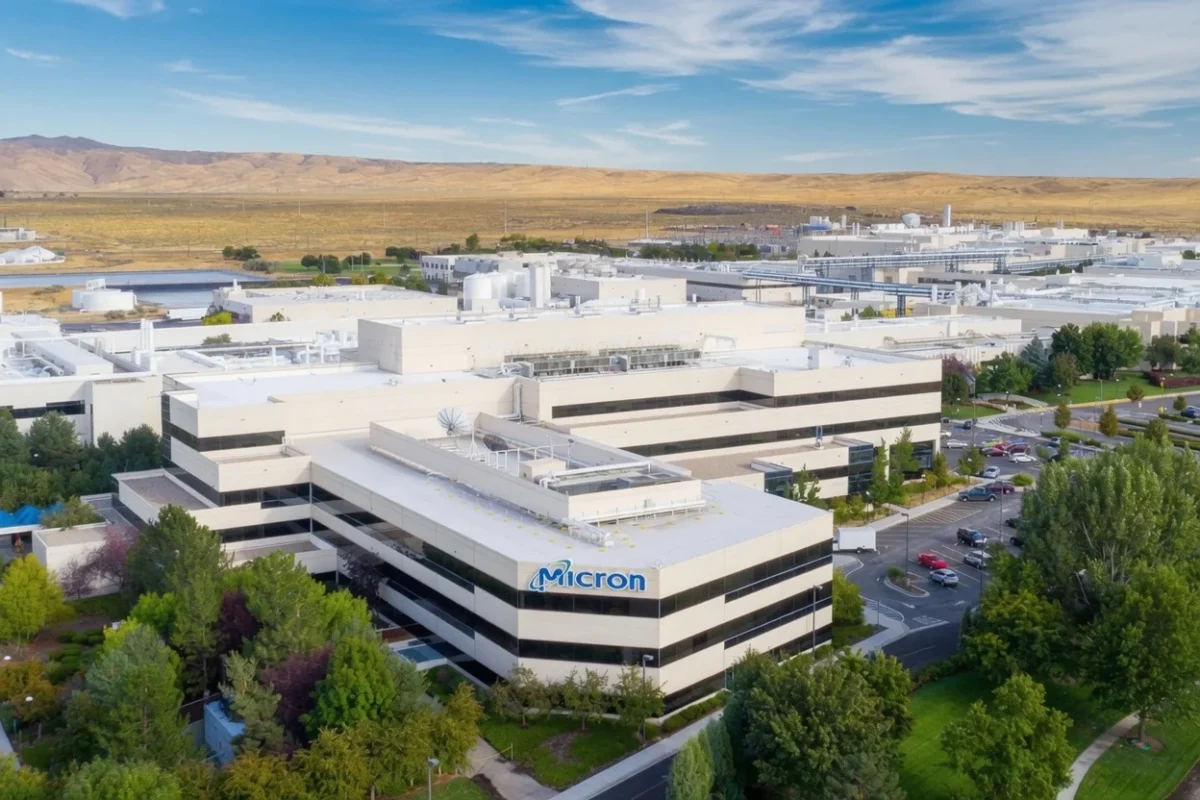
Shares of Micron (MU) advanced 3.5% before the opening bell. SK Hynix ADRs (SKHY) posted an even stronger gain of 6.7%. The upward momentum followed Google’s parent company announcing an upward revision to its 2026 capital spending projection, now targeting $195 billion to $205 billion versus the previous range of $180 billion to $190 billion.
The elevated investment signals substantial capital flowing into data center infrastructure, directly translating to heightened demand for memory semiconductors produced by these manufacturers.
According to CFO Anat Ashkenazi, the expanded spending plan reflects accelerated capacity deployment timelines to satisfy customer requirements. Simply put: Google’s infrastructure buildout is happening at a faster pace, requiring increased hardware procurement.

High-bandwidth memory, commonly known as HBM, represents a critical component in AI server architecture. With Alphabet’s infrastructure expansion plans, both semiconductor manufacturers are positioned to capture increased orders as leading HBM providers globally.
The positive market reaction provides relief following recent downward pressure on both equities. Micron has shed approximately 9% over the trailing 30 days. Meanwhile, SK Hynix’s Korean-listed shares have declined nearly 25% during the comparable period, reflecting investor anxiety regarding potential chip price normalization and concerns about technology sector capital spending deceleration.
Alphabet’s Wednesday financial disclosure has significantly alleviated these worries, at least in the near term.
Supply Constraints Affecting SK Hynix Trading
Following its July 10 U.S. market debut, SK Hynix has already encountered an uncommon limitation. The stock has reached the 2.5% threshold for converting Korean-domiciled shares into American Depositary Receipts. This effectively halts additional supply from entering U.S. trading markets currently.
Limited supply combined with sustained buying interest typically accelerates price movements. This dynamic partially explains why SK Hynix’s 6.7% premarket gain exceeded Micron’s performance.
The Korean manufacturer is simultaneously allocating significant capital toward manufacturing expansion. Its board recently authorized a ₩7.09 trillion investment for an advanced packaging facility located in Cheongju. The company’s second quarter financial results are scheduled for release on July 29.
Tesla CEO Highlights Micron Partnership
Micron received additional validation from an unexpected quarter. Throughout Tesla’s quarterly earnings discussion, Elon Musk specifically acknowledged Micron for securing Tesla’s memory chip allocation at favorable commercial terms — while characterizing broader memory market pricing as “insane.”
This public recognition illuminated the severity of supply constraints throughout the semiconductor industry. Customers are actively competing to secure chip allocations, positioning Micron to capitalize on both volume growth and favorable pricing dynamics while scaling its next-generation memory product lines.
According to TipRanks analytics, Micron maintains a Strong Buy consensus among Wall Street analysts, supported by 29 Buy recommendations and one Hold rating issued within the last 90 days. The consensus price target stands at $1,569.29, suggesting approximately 64% upside potential from present trading levels.
Get 3 Free Stock Ebooks
Discover top-performing stocks in AI, Crypto, and Technology with expert analysis.
- Top 10 AI Stocks - Leading AI companies
- Top 10 Crypto Stocks - Blockchain leaders
- Top 10 Tech Stocks - Tech giants


