


Key Takeaways
- The “Big Short” investor Michael Burry criticized AI safety slowdown demands as strategic “hype and puffery” from OpenAI and Anthropic leadership
- Burry contends that current large language models aren’t genuine AI and can never achieve artificial general intelligence
- OpenAI’s Sam Altman dismissed the possibility of a 2026 public offering, mentioning safety concerns, just days following Anthropic CEO’s industry slowdown plea
- Anthropic is positioning itself for an autumn IPO while projecting it won’t achieve profitability until 2028
- Cryptocurrency expert Ben Cowen cautioned that a major Anthropic public offering might divert capital and focus from Bitcoin
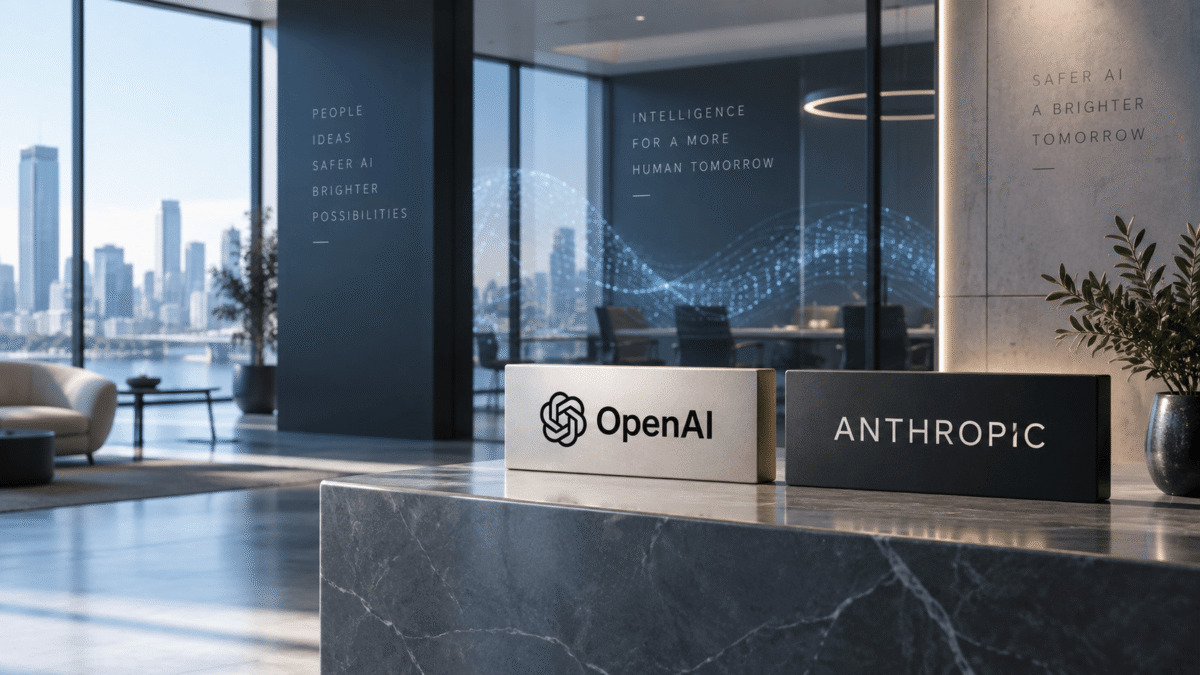
Michael Burry, the legendary investor who predicted the 2008 housing collapse, has publicly denounced the artificial intelligence sector’s recent calls for development deceleration as a financially motivated strategy rather than authentic safety advocacy.
The investor shared his sharp critique via X on Monday morning, just 48 hours after Anthropic’s chief executive Dario Amodei released a lengthy essay calling on AI laboratories to restrain their capability advances and permit independent auditors access to their internal processes.
OpenAI’s Sam Altman and Elon Musk quickly endorsed Amodei’s stance shortly after the essay’s publication.
Burry remained skeptical. He presented four distinct arguments challenging the slowdown proposition.
His opening argument centered on the assertion that large language models don’t represent authentic artificial intelligence and lack any pathway to artificial general intelligence. From this perspective, he maintains there’s no legitimate threat requiring deceleration.
His second contention suggested that halting progress advantages whichever entity currently dominates the field, shielding their market position from competitors advancing rapidly behind them.

Third, Burry interpreted the safety rhetoric as marketing theater. Any organization portraying itself as dangerously advanced is simultaneously marketing itself as exceptionally valuable. Burry characterized this tactic as promotional exaggeration.
Public Offering Schedule Drives Safety Narrative
His final argument struck most directly. Burry proposed that slowdown rhetoric masks already-declining momentum, with timing suspiciously aligned with postponed public market debuts.
Altman eliminated 2026 as a potential year for OpenAI’s market debut on Saturday, coinciding with Amodei’s essay release, citing safety considerations. He provided no alternative timeline.
Anthropic has been preparing for its own public market entrance this fall. Both organizations currently operate without profits. Anthropic projects it won’t reach break-even status until 2028. OpenAI has indicated to investors that profitability may arrive around 2030.
Going public necessitates audited financial statements, exposing those figures to comprehensive investor scrutiny.
The safety-focused messaging additionally pushed stock futures downward before Monday’s trading session commenced.
Implications for Cryptocurrency Markets
Cryptocurrency markets are monitoring these developments attentively. Analyst Ben Cowen issued a warning that a substantial Anthropic initial public offering could siphon attention and investment capital from Bitcoin.
Burry doesn’t approach this debate without his own interests. He increased his Nvidia short position last August, subsequently purchasing December call options as protection, establishing his own financial exposure to these outcomes.
Amodei’s essay advocated for independent evaluators within AI laboratories. Burry suggests genuine transparency will emerge from S-1 registration documents, not philosophical essays.
Regardless of which narrative proves accurate, the mandatory IPO disclosure paperwork will provide far greater insight than any public statement.
The artificial intelligence slowdown controversy has become inseparably connected with equity market timing considerations, cryptocurrency market dynamics, and the financial trajectories of two technology industry giants.
Get 3 Free Stock Ebooks
Discover top-performing stocks in AI, Crypto, and Technology with expert analysis.
- Top 10 AI Stocks - Leading AI companies
- Top 10 Crypto Stocks - Blockchain leaders
- Top 10 Tech Stocks - Tech giants


