


Key Takeaways
- The Big Short investor Michael Burry cautions that excessive AI infrastructure investments by tech giants may result in significant asset write-downs.
- Burry calculates that Microsoft, Amazon, Alphabet, Meta and Oracle collectively hold approximately $3 trillion in AI-related infrastructure obligations.
- S&P 500 companies’ net capital spending reached 2.07% of GDP, marking the highest point in nearly four decades apart from the dot-com bubble.
- The investor draws parallels between current AI infrastructure expansion and the late-1990s telecommunications boom that resulted in overcapacity.
- xAI founder Elon Musk announces plans to expand the company’s Nvidia chip inventory to more than double by the end of 2025.
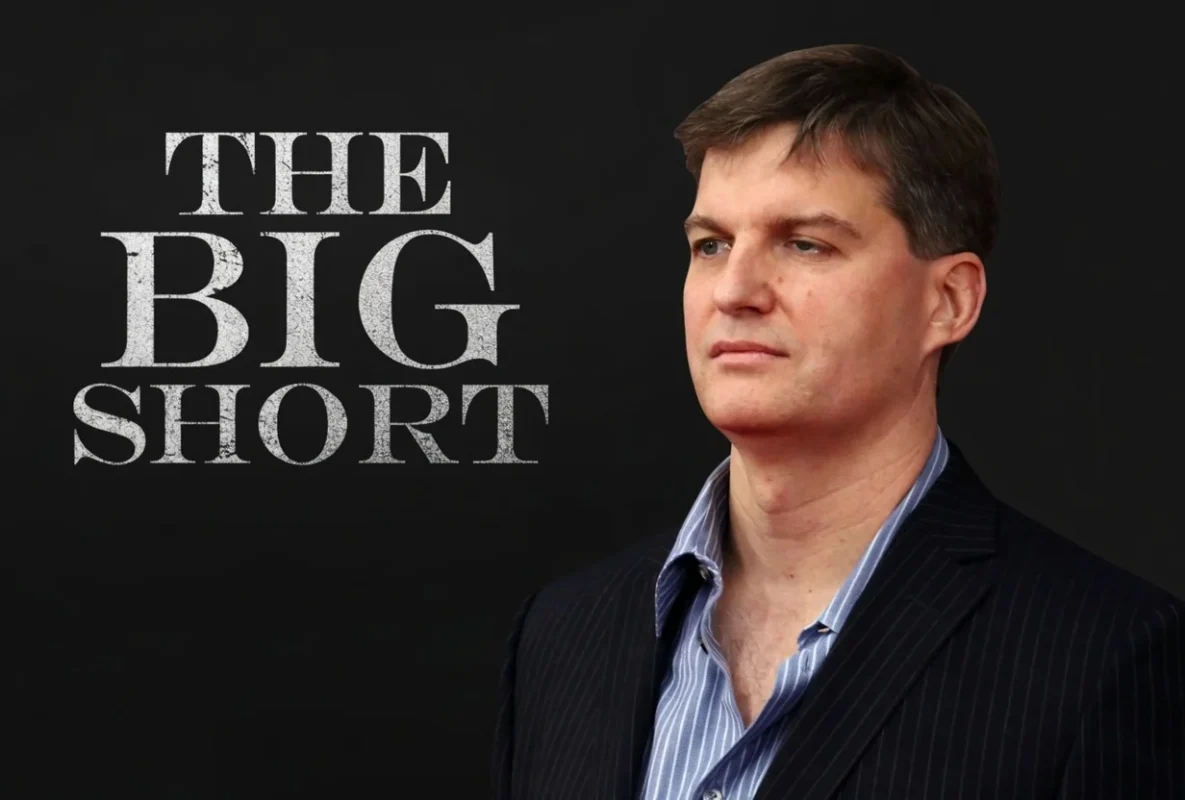
Michael Burry, the investor famous for predicting the 2008 financial crisis, has issued a stark warning about the scale of artificial intelligence infrastructure investments being made by major technology corporations. He shared his analysis in a detailed Substack post.
The investor highlighted a critical metric to support his argument. As of June 30, net capital expenditure by S&P 500 firms stood at 2.07% of GDP.
Burry noted this figure has been exceeded only once over the past 38 years. That exception occurred immediately following the Nasdaq’s peak in March 2000.
Burry identifies five major corporations bearing the brunt of this exposure. The list includes Microsoft, Amazon, Alphabet, Meta Platforms and Oracle.
His analysis suggests these technology behemoths have approximately $3 trillion in obligations connected to AI infrastructure. This encompasses lease agreements, ongoing construction initiatives and procurement commitments.
Parallels to Late-1990s Telecom Bubble
The renowned investor established a clear connection between current AI capital expenditures and the telecommunications infrastructure expansion of the late 1990s. Back then, corporations poured enormous sums into building network capacity.

This investment wave ultimately resulted in surplus capacity. Firms experienced diminished returns and were forced to record substantial write-downs on depreciated infrastructure.
Burry suggests history may repeat itself in the AI sector. He anticipates write-downs could begin materializing around 2028 or 2029 should AI infrastructure capacity outpace genuine market demand.
The investor also singled out Oracle for particular scrutiny. Burry referenced the company’s accounting treatment of customer advance payments and highlighted financing issues related to its data center expansion.
Recent AI Infrastructure Announcements
Separately, Elon Musk contributed to AI infrastructure headlines this week. The entrepreneur revealed that xAI’s Colossus 2 supercomputing facility plans to more than double its Nvidia processor inventory before year-end.
The facility presently operates with 110,000 GB200 processors and 440,000 GB300 processors. An additional 220,000 GB300 chips are scheduled to arrive in the coming week, followed by another 220,000 units in November.
In contrast, Goldman Sachs Asset Management has adopted a more cautious stance regarding AI infrastructure financing. The investment firm disclosed it maintains an underweight position on the largest AI-related borrowers.
Lindsay Rosner, who oversees multi-sector fixed income strategies at Goldman Sachs, attributed this positioning to anticipated increases in hyperscaler debt offerings. Amazon, Meta Platforms and Alphabet have ranked among the top issuers of investment-grade corporate bonds throughout the year.
These technology companies have leveraged bond markets to finance their AI infrastructure expansions. Burry’s cautionary message focuses on the potential consequences of this spending trajectory in coming years.
Whether his concerns materialize will hinge on the relationship between AI demand growth and the expanding infrastructure capacity. For the present, Burry’s observations inject a dose of skepticism into the narrative surrounding massive AI investments by leading technology firms.
Get 3 Free Stock Ebooks
Discover top-performing stocks in AI, Crypto, and Technology with expert analysis.
- Top 10 AI Stocks - Leading AI companies
- Top 10 Crypto Stocks - Blockchain leaders
- Top 10 Tech Stocks - Tech giants


