


Key Takeaways
- Micron Technology climbed approximately 6.8% in premarket sessions Tuesday driven by optimism around AI-fueled memory chip demand.
- Morgan Stanley analyst Joseph Moore identified the recent decline as an attractive entry point, forecasting Q3 memory pricing to increase roughly 25% versus Q2.
- KeyBanc boosted its price target to $1,750, while Bank of America placed Micron on its prestigious US-1 high-conviction roster.
- SK Hynix shares also gained ground, with leadership characterizing AI memory pricing as “abnormally high.”
- Micron has confirmed that its HBM manufacturing capacity is fully committed through both 2026 and 2027.
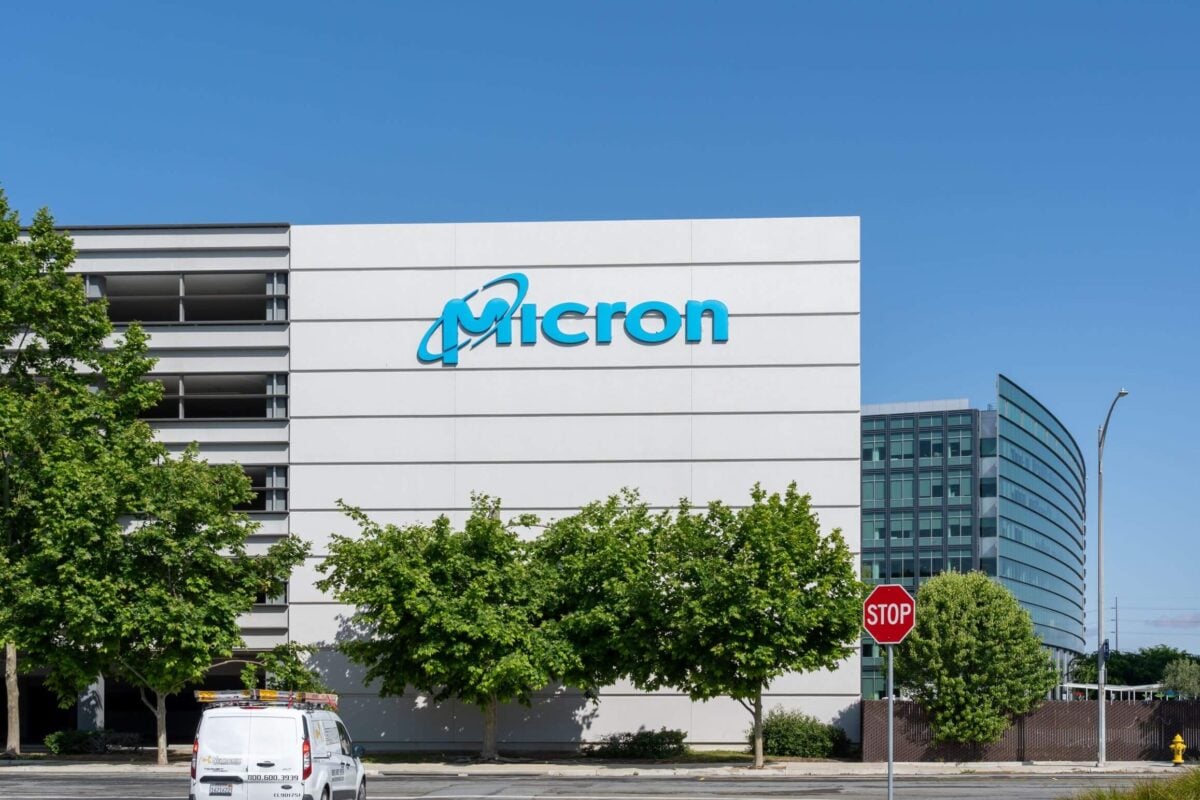
Shares of Micron Technology jumped approximately 6.8% during Tuesday’s premarket session on July 21, propelled by a series of optimistic Wall Street commentary and rising expectations for substantial AI infrastructure investments.
The primary driver behind the rally was Morgan Stanley’s Joseph Moore, who characterized the recent downturn in memory semiconductor stocks as a strategic buying window. Moore anticipates Q3 memory chip pricing will climb around 25% compared to Q2, citing ongoing supply constraints in the data center memory segment.
KeyBanc reinforced its positive stance by maintaining an Overweight rating while increasing its price objective to $1,750. Bank of America made an even stronger endorsement by elevating Micron to its exclusive US-1 high-conviction roster. Consensus among 50 Wall Street analysts places the average price target at $1,548.86, with a prevailing Buy recommendation.
UBS contributed its perspective, estimating that total memory demand could expand by 50% to 60% in the coming year, while AI-related demand might surge between 60% and 100%. The firm further noted that Micron could potentially repurchase over 40% of its outstanding shares by 2028, once buyback limitations expire in December 2026.

SK Hynix participated in the upward movement as well, with its American depositary receipts advancing 7.2% premarket while South Korean-listed shares concluded up 4.1%. The company’s leadership characterized AI memory pricing as “abnormally high” — a statement investors interpreted as confirmation of robust pricing dynamics industry-wide.
Understanding the Demand Dynamics
High Bandwidth Memory, essential for AI training and inference workloads, continues to face severe supply limitations. Micron has publicly stated that its entire HBM production capacity is already allocated for 2026 and 2027, providing substantial pricing negotiation strength with clients.
The macro environment appears supportive as well. Technology earnings season begins Wednesday with Alphabet’s report, and market participants anticipate significant AI capital expenditure announcements from leading cloud infrastructure providers — announcements that directly translate into memory semiconductor purchases.
UBS equity division head Ulrike Hoffmann-Burchardi projected that AI agents will represent over 90% of artificial intelligence activity by 2030, substantially expanding computational requirements. The firm characterized the recent semiconductor stock correction as an attractive accumulation opportunity.
A Potential Headwind to Monitor
Not all indicators are uniformly positive. Reports emerged Monday that Google is engineering a novel chip design that would integrate AI model components directly into the silicon architecture, potentially decreasing reliance on high-bandwidth memory and data movement. This chip is allegedly scheduled for introduction in 2028.
J.P. Morgan analyst Mixo Das addressed demand skepticism, stating: “Memory demand has been questioned recently with reported technological and process breakthroughs reducing memory demand — but we are yet to see this in reality.”
Micron’s 52-week peak sits at $1,255. The shares were changing hands at $915.66 during premarket hours, representing a gain of $50.20.
Get 3 Free Stock Ebooks
Discover top-performing stocks in AI, Crypto, and Technology with expert analysis.
- Top 10 AI Stocks - Leading AI companies
- Top 10 Crypto Stocks - Blockchain leaders
- Top 10 Tech Stocks - Tech giants


