


Key Takeaways
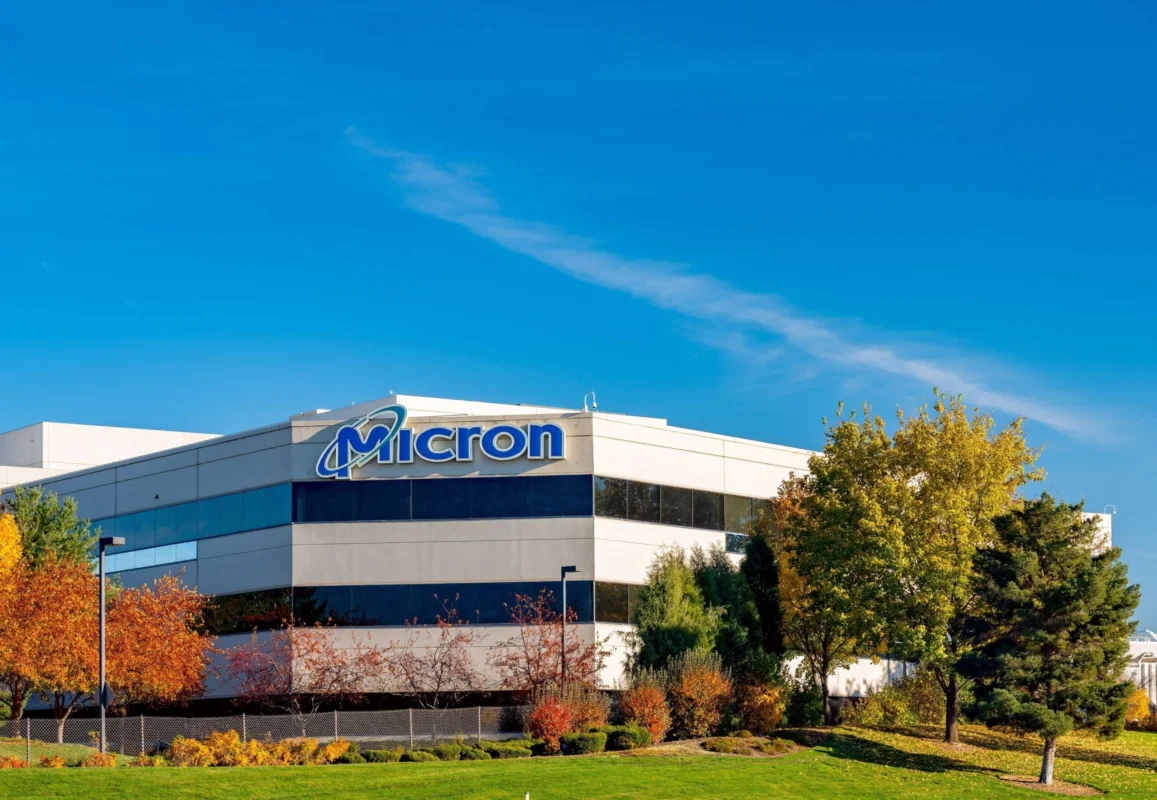
- Micron (MU) declined 5.2% during pre-market hours on Monday, reaching $924.90, representing a 26% retreat from its 52-week peak of $1,255
- Industry leaders including Anthropic’s Dario Amodei, Sam Altman from OpenAI, and Elon Musk advocated for reduced AI advancement speed, sparking widespread selling
- Memory chip manufacturers including SanDisk, SK Hynix (declining 6%), and Western Digital each tumbled over 5% pre-market; South Korea’s KOSPI index plummeted more than 3%
- The current administration under Trump is evaluating comprehensive semiconductor import duties that may include data center equipment and personal computers
- Treasury yields approaching the 5% threshold, crude oil surpassing $100 per barrel, and elevated inflation figures created additional macroeconomic challenges before the September 15-16 Federal Reserve meeting
Shares of Micron Technology (MU) experienced a 5.2% decline in Monday’s pre-market session, settling at $924.90. This valuation represents approximately 26% below the stock’s 52-week peak of $1,255.
This decline forms part of an extensive memory semiconductor selloff that impacted SanDisk, SK Hynix, and Western Digital, each experiencing over 5% losses in early trading.
The catalyst emerged from weekend statements by prominent artificial intelligence industry executives. Dario Amodei, leading Anthropic, advocated for moderating the advancement speed of sophisticated AI systems. Sam Altman from OpenAI expressed agreement with this position, receiving endorsement from Elon Musk as well.
These remarks rattled investors holding memory and storage securities. Both Micron and SK Hynix serve as principal providers of high-bandwidth memory components utilized in AI acceleration hardware. Meanwhile, SanDisk and Western Digital furnish NAND flash solutions and data-center storage systems.

The primary anxiety doesn’t center on immediate demand deterioration. Rather, investors worry that a decelerated AI advancement timeline might diminish the urgency for enterprises to scale their computational infrastructure, ultimately dampening future memory chip procurement.
Industry Leaders Advocate Restraint
The market downturn extended far beyond American exchanges. South Korea’s KOSPI benchmark tumbled over 3% with semiconductor equities driving losses. SK Hynix experienced a decline exceeding 6% throughout Monday’s session. Samsung Electronics and Kioxia numbered among additional fallers.
Despite recent volatility, Wall Street analysts maintain Strong Buy recommendations for Micron, SanDisk, and SK Hynix. Western Digital carries a Moderate Buy designation. Consensus analyst price objectives continue substantially exceeding present market valuations.
Micron confronts additional challenges from a Netlist patent infringement lawsuit concerning its DDR5 memory offerings, introducing legal complications. A technical selling indicator that activated around September 9 has intensified downward pressure.
The corporation’s upcoming quarterly earnings announcement is scheduled for September 30. Certain investors are reducing positions ahead of this disclosure, despite the underlying narrative surrounding AI-powered memory requirements remaining solid.
Macroeconomic Headwinds Intensify
Broader economic conditions are compounding difficulties. Brent crude oil advanced beyond $100 per barrel following energy supply disruptions across the Middle East. Elevated petroleum prices can accelerate inflation and complicate Federal Reserve interest rate reduction plans.
The 10-year Treasury yield has likewise climbed toward 5%, creating headwinds for growth-oriented technology equities. Stronger-than-anticipated U.S. core inflation statistics intensified speculation regarding a potential rate increase during the September 15-16 FOMC gathering.
Wider market indices reflected these pressures. The Nasdaq composite retreated 1.8% while the S&P 500 declined 0.75%.
The Trump administration is simultaneously evaluating semiconductor import levies that might encompass finished products including servers and laptops, which technology sector representatives caution could elevate AI infrastructure expenses.
Industry analysis has highlighted that Micron’s capital investment intensity remains at historically elevated thresholds as the memory industry transitions from anticipated order expansion toward tangible revenue generation.
Get 3 Free Stock Ebooks
Discover top-performing stocks in AI, Crypto, and Technology with expert analysis.
- Top 10 AI Stocks - Leading AI companies
- Top 10 Crypto Stocks - Blockchain leaders
- Top 10 Tech Stocks - Tech giants


