


Key Takeaways
- Micron shares declined approximately 0.3% during Wednesday’s premarket session after Tuesday’s close at $1,096.16.
- The decline ends a four-session winning streak during which the stock climbed roughly 14% in September.
- Labor unrest at Micron’s Taiwan Taoyuan facility introduces new operational concerns.
- Prominent investor Michael Burry has expanded short positions targeting Micron and similar AI-related stocks, citing stretched valuations.
- The company’s Sept. 30 earnings report looms as supply constraints and AI demand continue shaping the memory sector.
Micron Technology (MU) shares experienced a modest 0.3% decline in premarket activity Wednesday, trading around $1,093 following Tuesday’s $1,096.16 closing price. This retreat comes after a 5% Tuesday surge that capped four straight sessions of gains.
Market participants seem to be locking in gains following Micron’s substantial September advance, which arrived just days before the company’s Sept. 30 quarterly results. The semiconductor stock has climbed approximately 14% this month and skyrocketed more than 500% during the trailing twelve months.
The current pullback coincides with emerging challenges that include possible labor disruptions in Taiwan, intensifying memory chip rivalry, and debate surrounding whether Micron’s current valuation adequately prices in anticipated AI expansion.
Labor Tensions in Taiwan Create Production Concerns
Employees at Micron’s Taoyuan manufacturing site are moving toward a potential strike authorization vote following unsuccessful mediation regarding profit-sharing arrangements. The labor union is demanding a permanent framework that would allocate 15% of operating profits toward employee bonus compensation.

Micron has indicated willingness to continue negotiations, and conversations at its Taichung location have reportedly been more productive. Currently, no strike action has been initiated and manufacturing operations continue uninterrupted.
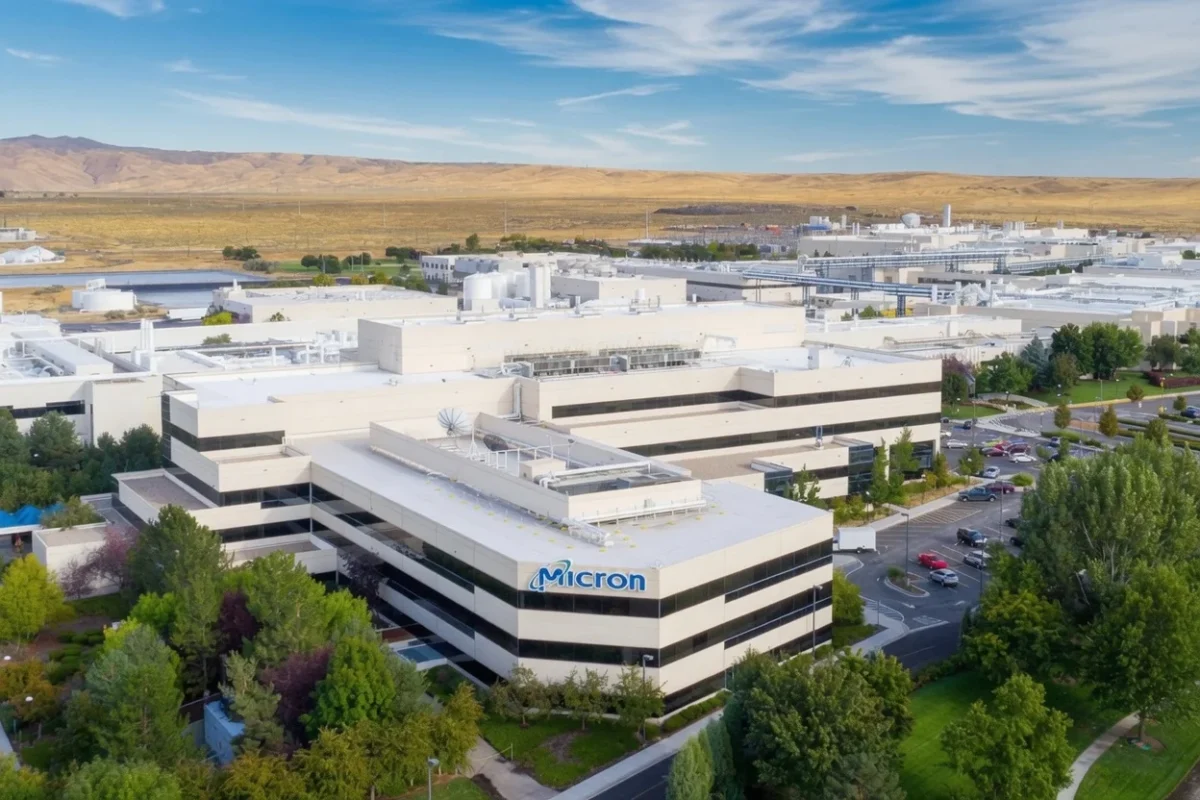
This development carries significance because Taiwan represents Micron’s primary production base and serves as a critical manufacturing center for DRAM and high-bandwidth memory components essential to AI server infrastructure. Extended production disruptions could further tighten an already constrained memory supply landscape.
Micron has previously unveiled substantial fiscal 2026 incentive packages for Taiwan-based workers, ranging between 35 and 68 months of base compensation. However, union representatives continue advocating for an enduring profit-sharing mechanism rather than standalone compensation events.
Valuation Questions Surface Before Quarterly Report
Michael Burry has expanded short positions targeting Micron alongside other AI-focused investments. His thesis suggests memory semiconductor stocks have reached excessive valuations following their dramatic rally and face downside risk should the supply cycle eventually shift.
Competitive pressures are simultaneously intensifying. China’s CXMT has recently initiated mass production of an updated DRAM architecture, while industry leaders Samsung and SK Hynix maintain aggressive capital deployment in cutting-edge memory technologies.
The opposing perspective emphasizes persistent supply limitations. Stifel projects DRAM shipment expansion of merely 15% to 20% through 2027 and contends that substantially faster supply growth would be necessary to satisfy demand fully, potentially sustaining elevated pricing and margin profiles.
Consequently, Wednesday’s modest retreat appears relatively insignificant against Micron’s recent momentum. The more critical evaluation arrives Sept. 30, when market participants will scrutinize revenue trajectory, HBM demand dynamics, profitability metrics, and management’s outlook regarding supply constraints persisting through 2027.
Get 3 Free Stock Ebooks
Discover top-performing stocks in AI, Crypto, and Technology with expert analysis.
- Top 10 AI Stocks - Leading AI companies
- Top 10 Crypto Stocks - Blockchain leaders
- Top 10 Tech Stocks - Tech giants


