


Key Takeaways
- Despite recent volatility, Jim Cramer maintains his bullish stance on Micron, attributing the stock decline to Samsung’s disappointing shareholder return program
- The memory chipmaker delivered exceptional fiscal Q3 results with revenue reaching $41.46 billion, representing a 346% year-over-year surge, while non-GAAP EPS of $25.11 exceeded analyst projections by 24%
- The company has secured $100 billion in contracted AI revenue extending through 2030, with complete sell-through of HBM and DRAM production capacity until 2027
- At a forward price-to-earnings ratio of approximately 6, Micron appears significantly undervalued compared to competitors like Intel (68.97) and AMD (61)
- Cramer identified Micron as his leading choice among four essential memory chip companies, which also include SanDisk, Seagate, and Western Digital
Jim Cramer continues to champion Micron Technology, arguing the memory semiconductor manufacturer remains severely underpriced despite stock fluctuations driven by developments at South Korean competitors.
While Micron shares have surged approximately 254% during 2026, a recent downturn has drawn investor scrutiny. According to Cramer, the decline reflects external factors rather than operational challenges at Micron.
The catalyst was Samsung’s shareholder return program announcement. Market participants deemed it insufficient when compared to SK Hynix’s earlier commitments. SK Hynix had revealed intentions to buy back and retire approximately $28.6 billion of its outstanding shares during the period from August 20 through November 19.
Market expectations had anticipated Samsung would announce shareholder returns surpassing $72 billion. The actual announcement significantly missed those projections.

“The Samsung buyback was regarded as not good enough,” Cramer explained, characterizing the market’s response as “chimerical” considering Micron’s robust operational performance.
Exceptional Financial Performance Speaks Volumes
Micron delivered fiscal Q3 revenue totaling $41.46 billion, representing a 346% year-over-year increase. Non-GAAP earnings per share reached $25.11, surpassing analyst consensus estimates by 23.8%. The company achieved a record non-GAAP gross margin of 84.9%, dramatically improved from 39% in the prior-year period.
The chipmaker holds $22 billion in customer deposits from 16 major strategic partners, secured through take-or-pay agreements with established pricing floors. Combined AI-related contracted revenue extending through 2030 totals $100 billion.
Production capacity for both HBM and DRAM is completely allocated through 2027. Industry projections indicate AI data centers will account for approximately 70% of worldwide memory chip production during 2026.
Cramer highlighted Micron along with SanDisk, Seagate, and Western Digital as four memory chip manufacturers he considers “indispensable” in the current market environment. He connected the sector-wide momentum to statements from Elon Musk, who indicated during SpaceX’s Q2 earnings discussion that memory availability has emerged as the primary constraint for AI data center expansion.
“While I acknowledge that I am not early, I do not think I am late,” Cramer emphasized to his audience.
The Samsung Connection and Its Impact on Micron
The relationship between Samsung’s performance and Micron’s valuation extends beyond a single disappointing buyback announcement. Samsung, SK Hynix, and Micron collectively dominate approximately 90% of the global DRAM market. Consequently, developments affecting one company frequently influence investor sentiment toward all three.
Samsung initiated mass production of HBM4 in February 2026, establishing a technological lead over competitors. Micron continues to primarily deliver HBM3E products. This technological differential provides some market participants with justification for concerns regarding Micron’s competitive positioning in next-generation technologies.
Additionally, a regulatory constraint exists. Micron’s CHIPS Act funding arrangement prohibits substantial share repurchase programs until December 9, 2026. While Samsung and SK Hynix can execute multibillion-dollar stock buybacks, Micron faces restrictions.
Nevertheless, institutional capital continues flowing toward Micron. Hedge fund ownership expanded from 154 to 184 funds during the transition from Q1 to Q2. Coatue Management dramatically increased its Micron holdings by 1,794%, bringing its position to $3.6 billion. George Soros’ investment fund similarly expanded its stake nearly eightfold throughout Q2.
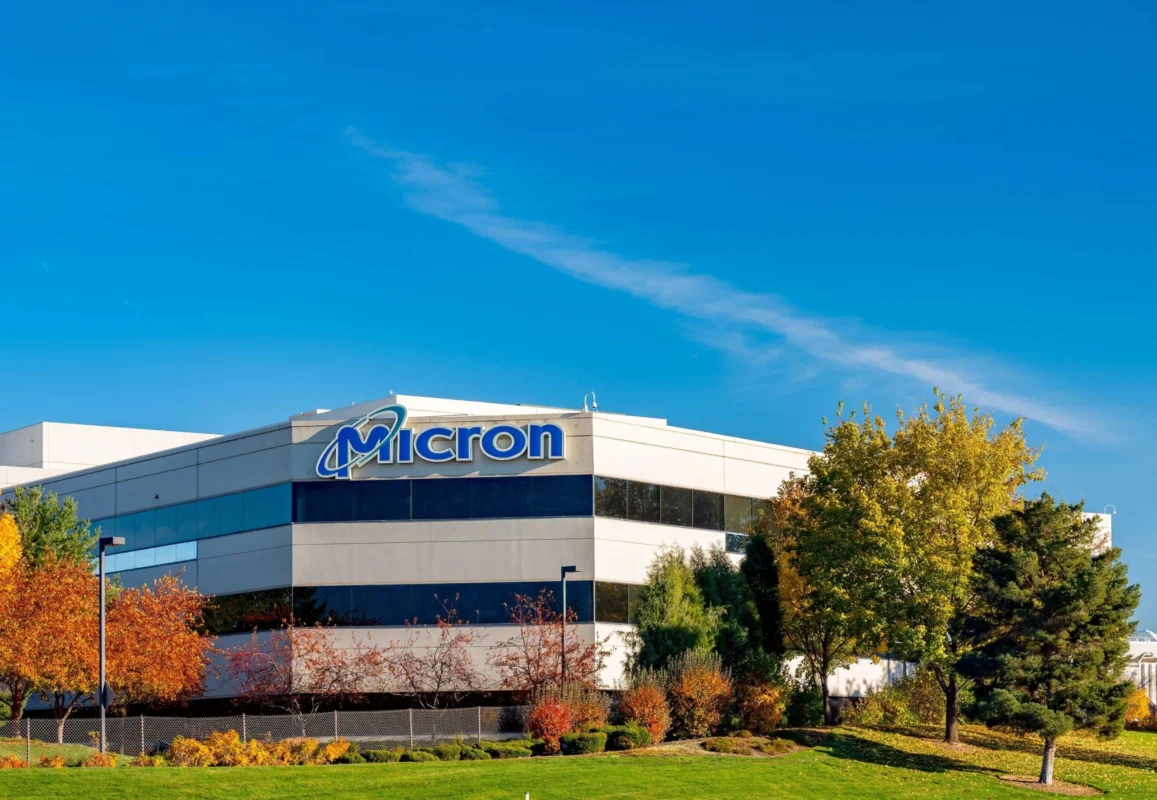
Micron’s forward price-to-earnings ratio stands at approximately 6, markedly lower than Intel’s 68.97 and AMD’s 61. Following a visit to Micron’s Boise, Idaho production facility, Cramer expressed confidence in the authenticity of the demand narrative. The corporation has pledged over $250 billion through 2035 toward expanding domestic manufacturing capabilities.
Get 3 Free Stock Ebooks
Discover top-performing stocks in AI, Crypto, and Technology with expert analysis.
- Top 10 AI Stocks - Leading AI companies
- Top 10 Crypto Stocks - Blockchain leaders
- Top 10 Tech Stocks - Tech giants


