


Key Takeaways
- Five Norwegian Cruise Line board members acquired more than 100,000 shares during May, spending approximately $1.34 million combined
- The latest insider transaction occurred May 21 when Director Jonathan Cohen purchased 30,000 shares at $15.83
- The cruise operator reduced its 2026 full-year profit forecast on May 4, blaming Middle Eastern conflicts and elevated fuel expenses
- NCLH shares declined 9.5% throughout May, significantly underperforming Carnival (-1.2%) and Royal Caribbean (-1.3%)
- A respiratory illness outbreak aboard one vessel intensified shareholder concerns, despite health authorities minimizing pandemic risks
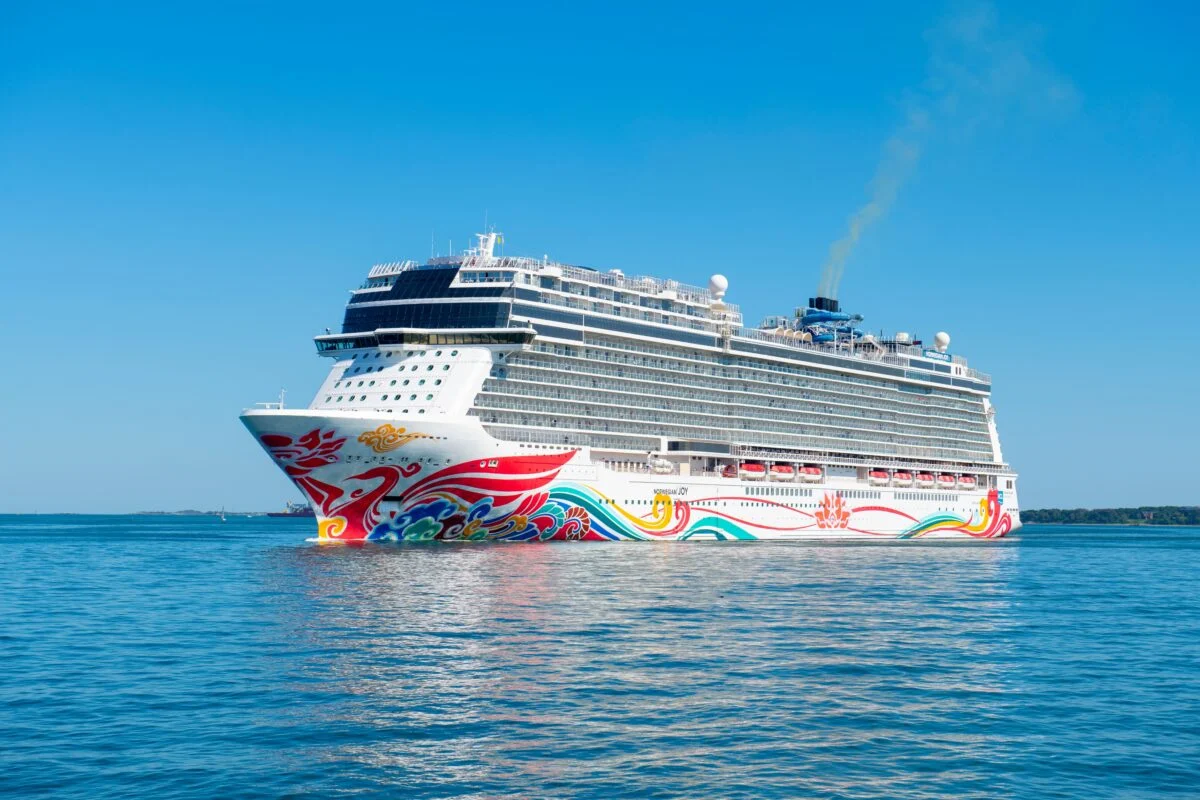
Norwegian Cruise Line (NCLH) shares have slumped 9.5% throughout the current month, hovering around $15.83 — dangerously close to the 52-week bottom of $14.53. Yet while the broader market has been dumping shares, those closest to the company have been aggressively accumulating.
Norwegian Cruise Line Holdings Ltd., NCLH
Starting in early May, five board members have together acquired over 100,000 shares totaling approximately $1.34 million. This buying activity sends a powerful message that insiders believe the stock represents compelling value at current levels.
Director Jonathan Cohen executed the latest purchase on May 21, acquiring 30,000 shares at a mean price of $15.83 for a total outlay of $474,900.
Earlier that same week, Director Jose Cil accumulated 15,000 shares spanning Monday through Tuesday at prices ranging from $14.79 to $15.25. These purchases were executed via a family trust structure.

On May 11, Director Brian MacDonald snapped up 15,000 shares at $16.54 per share. Prior to that transaction, directors Kevin Lansberry and Zillah Byng-Thorne collaboratively acquired 40,867 shares on May 7 for approximately $643,476.
Reduced Forecast Triggers Investor Exit
The downward pressure began May 4, when Norwegian dramatically lowered its 2026 profit projections. Management attributed the revision to “headwinds related to disruptions in the Middle East,” specifically referencing the Iranian conflict and the Strait of Hormuz closure, which drove crude prices — and consequently fuel expenses — substantially higher.
While first-quarter earnings per share exceeded analyst expectations, revenue figures fell marginally short. Second-quarter guidance underwhelmed investors, and the magnitude of the full-year EPS reduction prompted at least one Wall Street firm to downgrade the stock.
That particular firm highlighted decelerating balance sheet enhancement, a more challenging demand environment, and concerns that the company’s expansion narrative remained too distant to justify current valuation levels.
Respiratory Illness Outbreak Compounds Concerns
The week beginning May 11 introduced an additional challenge. An unusual respiratory virus outbreak aboard a Dutch-registered cruise vessel spooked investors in an already fragile travel industry.
The World Health Organization initially documented reports of the acute respiratory illness cluster on May 2. The affected patient count has subsequently expanded to 12 individuals. Health authorities have sought to allay broader pandemic anxieties, but the incident’s timing proved particularly unfortunate for market sentiment.
Norwegian has absorbed the heaviest losses among major cruise operators this month. Carnival (CCL) has retreated merely 1.2% in May, while Royal Caribbean (RCL) has dipped 1.3%. The S&P 500 has declined 3.9% during the identical timeframe, making NCLH’s 9.5% drop particularly pronounced.
For the year-to-date period, NCLH has fallen 28.18%. The company’s current market capitalization stands at $7.36 billion, with average daily share volume reaching approximately 22.9 million.
Get 3 Free Stock Ebooks
Discover top-performing stocks in AI, Crypto, and Technology with expert analysis.
- Top 10 AI Stocks - Leading AI companies
- Top 10 Crypto Stocks - Blockchain leaders
- Top 10 Tech Stocks - Tech giants


