



Key Takeaways
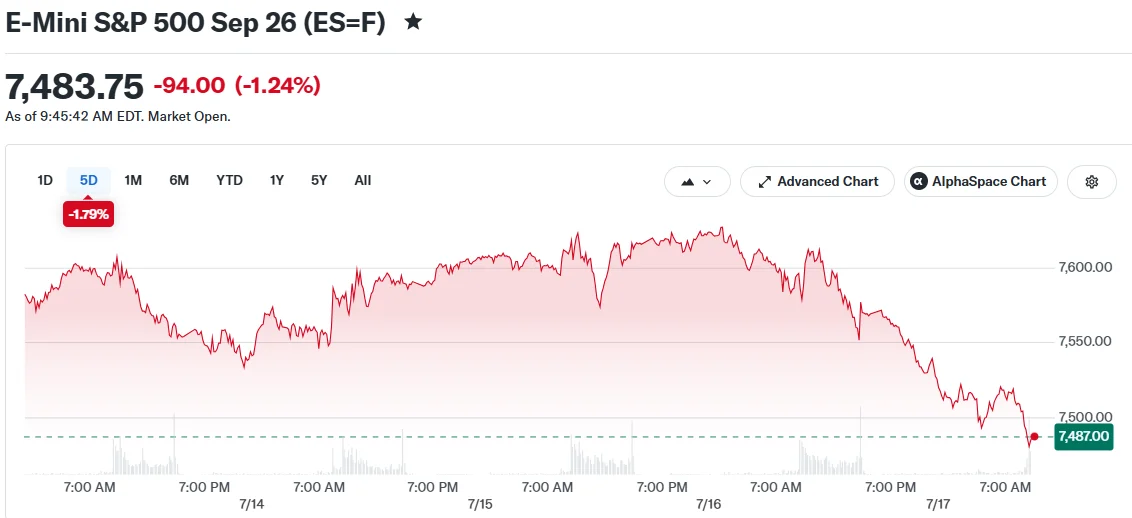
- Major US indexes declined Friday with the Nasdaq dropping approximately 1.6%, S&P 500 falling 0.8%, and Dow Jones sliding 1%
- The PHLX Semiconductor Index plummeted more than 3%, crossing into bear market territory
- Global market weakness intensified as Japan’s Nikkei 225 plunged 4%
- Netflix shares tumbled 12% following disappointing Q3 revenue guidance
- China’s Moonshot AI launched Kimi K3, intensifying questions about the AI investment thesis
American equities experienced significant declines Friday, setting up all three major benchmarks for negative weekly performance. The downturn was primarily driven by semiconductor sector weakness and Netflix’s dramatic slide.
The tech-heavy Nasdaq Composite declined approximately 1.6%. The broader S&P 500 retreated roughly 0.8%, while the blue-chip Dow Jones Industrial Average lost about 1%.
Semiconductor equities bore the brunt of selling pressure. The PHLX Semiconductor Index tumbled over 3%, marking the sector’s entry into official bear market status.
Semiconductor Sector Crosses Into Bear Territory
The chip stock selloff gained momentum from overnight weakness across Asian trading sessions. Japan’s benchmark Nikkei 225 index collapsed 4%, creating a negative backdrop for US market participants at the opening bell.
The technology-fueled advance that propelled markets higher since their March nadirs has now encountered serious resistance. Market participants have begun reducing exposure as they reconsider the sustainability of massive artificial intelligence infrastructure investments.

This critical reevaluation accelerated Friday. Chinese AI startup Moonshot introduced its latest innovation, Kimi K3, positioning it as the world’s most expansive open-source AI model, directly challenging offerings from prominent American AI firms.
This development amplified existing doubts surrounding the AI investment narrative. Market observers have grown increasingly focused on whether substantial AI capital expenditures will ultimately generate meaningful financial returns.
Netflix Plummets 12% After Revenue Forecast Disappointment
Netflix shares collapsed 12% during morning trading hours. The entertainment streaming giant’s third quarter revenue projection fell short of analyst consensus estimates.
Company executives characterized the current environment as “dynamic and competitive” within the entertainment sector. This cautious messaging failed to comfort investors already experiencing heightened anxiety.
Netflix’s guidance miss arrived during an inopportune moment. Markets were already experiencing pressure from semiconductor weakness and mounting concerns regarding AI spending sustainability.
The overall market sentiment Friday remained decidedly risk-averse. Positive catalysts were scarce across the major benchmarks as distribution persisted throughout the trading day.
On the corporate earnings calendar, regional banking institutions including Truist Financial Corporation and Fifth Third Bancorp released quarterly results this week. These reports concluded an active period for financial sector earnings announcements.
Investors also digested newly released economic indicators. The University of Michigan’s consumer sentiment index provided insight into American consumer confidence amid economic uncertainty and elevated gasoline prices.
The convergence of disappointing earnings results, semiconductor sector distress, and international market turbulence created challenging conditions heading into the weekend. All three primary US equity benchmarks were positioned for weekly declines as Friday’s session progressed.
Get 3 Free Stock Ebooks
Discover top-performing stocks in AI, Crypto, and Technology with expert analysis.
- Top 10 AI Stocks - Leading AI companies
- Top 10 Crypto Stocks - Blockchain leaders
- Top 10 Tech Stocks - Tech giants


