


Key Takeaways
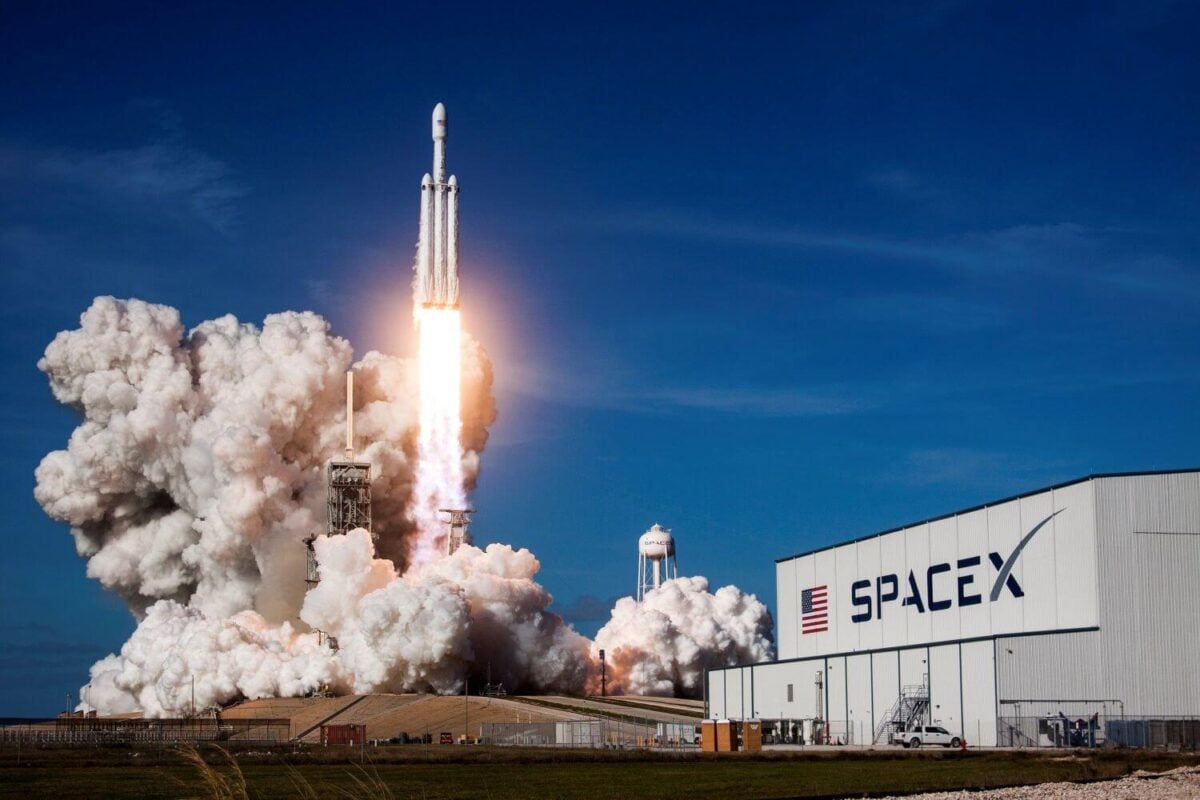
- Starship’s 13th flight test lifted off Friday evening from SpaceX’s Texas facility, marking the company’s first launch since going public.
- The Super Heavy booster experienced engine reignition problems, resulting in a rough water landing in the Gulf.
- Starship’s upper section successfully completed a controlled ocean landing in the Indian Ocean, remaining structurally sound.
- The mission marked the inaugural deployment of 20 Starlink V3 satellites, representing a new generation of larger hardware.
- Shares of SPCX have declined for four out of five recent weeks, down 43% from mid-June highs and trading beneath the initial public offering price.
Space Exploration Technologies Corp. (SPCX) shares remain under pressure following Friday’s 13th Starship flight test from the company’s Starbase facility in Texas. The stock has shed 43% from its June 16 closing high and recorded losses in four of the last five trading weeks.
Space Exploration Technologies Corp., SPCX
This mission represented the inaugural launch following the company’s blockbuster market debut last month. The flight also served as the second evaluation of Starship’s V3 configuration, the newest iteration of what stands as the planet’s most powerful rocket system.
Approximately two minutes after liftoff, the Super Heavy first stage separated as planned. However, when attempting to fire its Raptor engines for the descent maneuver, only a portion of the engines successfully ignited, leading to an uncontrolled “hard splashdown” in Gulf waters.
The mission’s upper portion delivered better results. Starship’s second stage executed a controlled ocean descent in the Indian Ocean, remaining structurally intact and providing engineers with unprecedented footage of an undamaged thermal protection system post-splashdown.

Mission control personnel referred to the outcome as “lucky number 13” during the broadcast.
Around 18 minutes into the mission timeline, the company successfully released 20 Starlink V3 satellites into their designated orbit. This deployment represented the maiden voyage for this advanced satellite design.
Advanced Hardware, Expanding Vision
The V3 satellite generation features significantly enhanced capabilities compared to predecessor models. Their photovoltaic panels produce double the electrical output of earlier iterations. Manufacturing occurs at the company’s Washington State production center in Redmond.
SpaceX is simultaneously advancing its Starmind satellite program, designed to function as space-based computing facilities.
Starship serves as a cornerstone for expanding the Starlink constellation. The vehicle’s development is also critical for an upcoming NASA demonstration mission scheduled for next year, potentially paving the way for lunar surface operations with astronauts.
Propulsion Problems Spark Concerns
Industry observer Tim Farrar from TMF Associates acknowledged advancement while noting the company “remains a long way from achieving rapid reusability of the entire ship.”
The engine restart difficulties raised red flags in his assessment. “Any similar failure during an attempted landing at the company’s launch site could cause severe damage to the launchpad,” he noted.
Recent operations have encountered additional setbacks. SpaceX canceled a July 16 launch when the booster initiated an automatic abort sequence, terminating engine startup procedures. Weather conditions forced postponement of Thursday’s backup attempt.
The inaugural V3 mission in May experienced multiple engine shutdowns that compromised performance targets.
The previous week’s launch cancellation triggered investor selling. SPCX continues trading beneath its public offering price.
Get 3 Free Stock Ebooks
Discover top-performing stocks in AI, Crypto, and Technology with expert analysis.
- Top 10 AI Stocks - Leading AI companies
- Top 10 Crypto Stocks - Blockchain leaders
- Top 10 Tech Stocks - Tech giants


