


TLDR
- The coffee giant plans to shutter approximately 250 poorly performing stores in North America, representing roughly 1% of its regional footprint.
- These shutdowns will result in approximately $300 million in restructuring expenses and eliminate roughly 900 positions.
- Shares of SBUX declined approximately 1% after the announcement.
- This marks the latest phase of CEO Brian Niccol’s “Back to Starbucks” transformation strategy, following last year’s $1 billion restructuring approval.
- The company has revised its fiscal 2026 global net new store opening target to approximately 440, down from the previous forecast of 600 to 650.
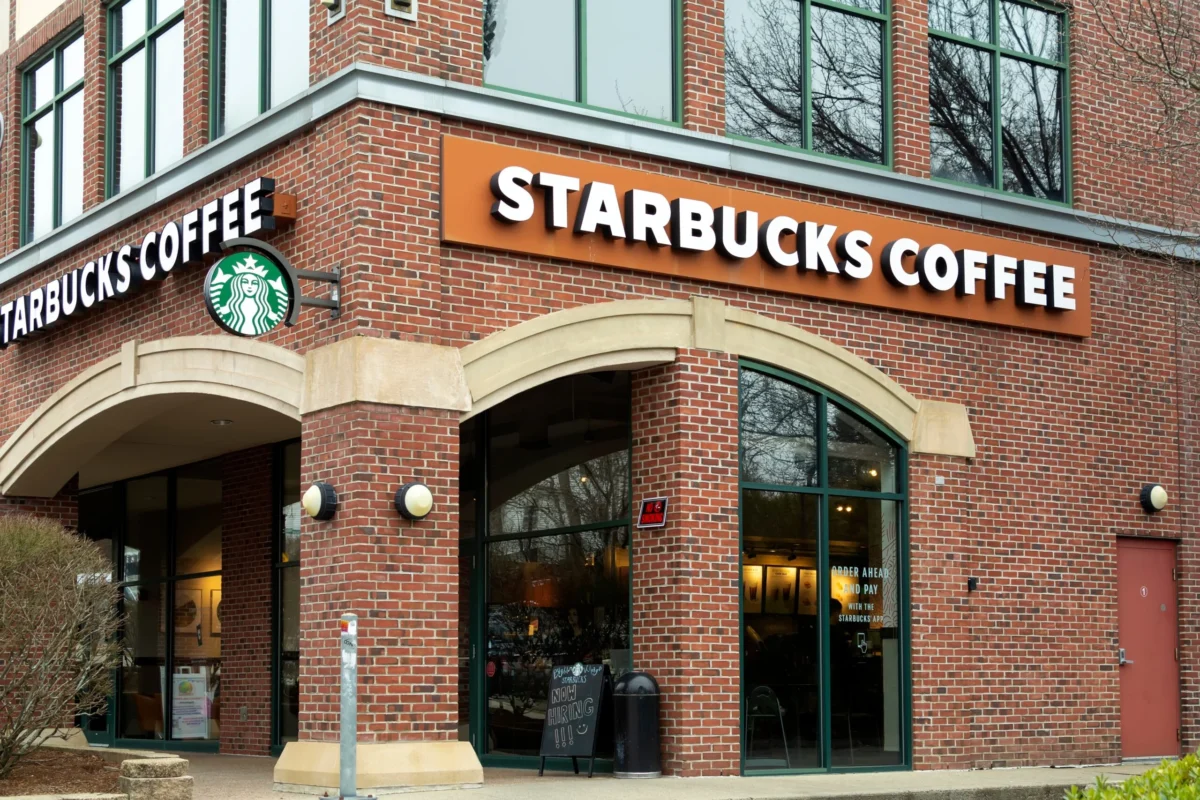
Shares of Starbucks declined roughly 1% Thursday following the coffee giant’s announcement that it will close approximately 250 locations throughout North America. The planned closures were revealed in a regulatory filing.
Starbucks $SBUX plans to close 250 underperforming North American stores and take about $300M in restructuring charges. Most closures are expected by the end of FY26.
— Wall St Engine (@wallstengine) September 24, 2026
The targeted locations represent approximately 1% of the company’s roughly 18,000 North American cafes. The majority of these closures are expected to be completed before the conclusion of fiscal year 2026.
The company anticipates approximately $300 million in restructuring expenses related to this closure initiative. Chief Operating Officer Mike Grams informed employees that certain locations “continue to underperform despite the hard work and commitment” demonstrated by team members.
Approximately 900 employees will be impacted by these shutdowns. The company stated it intends to relocate baristas from closing stores to nearby locations when feasible and provide separation packages to those unable to be transferred.

Additional phase of restructuring
This represents Niccol’s latest cost-cutting initiative. Starbucks‘ board of directors greenlit a comprehensive restructuring strategy in September 2025 that encompassed location closures and organizational realignment of support functions.
That initial restructuring initiative carried an estimated price tag of approximately $1 billion. About 90% of those expenses were allocated to the North American operations, encompassing severance payments, asset impairments, and early lease termination costs.
By late June, the company operated 11,149 company-owned stores throughout North America. This represents a decline of roughly 300 locations compared to the previous year’s figures.
Niccol has also significantly reduced corporate staff beyond the cafe level. The organization eliminated approximately 2,000 corporate positions last year and removed hundreds of vacant roles as well.
In August, the company laid off over 200 corporate employees, including personnel in store design, development and technology departments who refused relocation to the company’s Nashville headquarters. An additional 300 U.S. corporate positions were eliminated earlier this year as regional offices in Chicago, Atlanta, Dallas and Burbank, California were shuttered.
The transformation strategy driving changes
Niccol has established an objective to reduce expenses by $2 billion before the conclusion of fiscal 2028. He assumed the CEO role in September 2024 and has prioritized reducing wait times, streamlining menu offerings and enhancing operational efficiency.
The approach seems to be delivering positive outcomes on the revenue front. Through July, the company had posted four consecutive quarters of positive comparable sales growth.
Guest traffic has improved across all demographic segments, Niccol noted in April. Recent launches including protein cold foam and an enhanced rewards program have contributed to sales momentum.
The company’s latte offerings have demonstrated resilience despite reduced discretionary spending, particularly among lower-income consumers facing elevated fuel and grocery expenses. Coffee purchases, apparently, remain a priority even during economic constraints.
Moving forward, the company now projects approximately 440 global net new openings for company-operated and licensed stores in fiscal 2026. This represents a significant reduction from its previous guidance of 600 to 650 new locations.
The organization has indicated that the majority of future expansion will occur in international markets. It’s also developing a smaller, more efficient domestic store format as part of this strategic pivot.
Get 3 Free Stock Ebooks
Discover top-performing stocks in AI, Crypto, and Technology with expert analysis.
- Top 10 AI Stocks - Leading AI companies
- Top 10 Crypto Stocks - Blockchain leaders
- Top 10 Tech Stocks - Tech giants


