


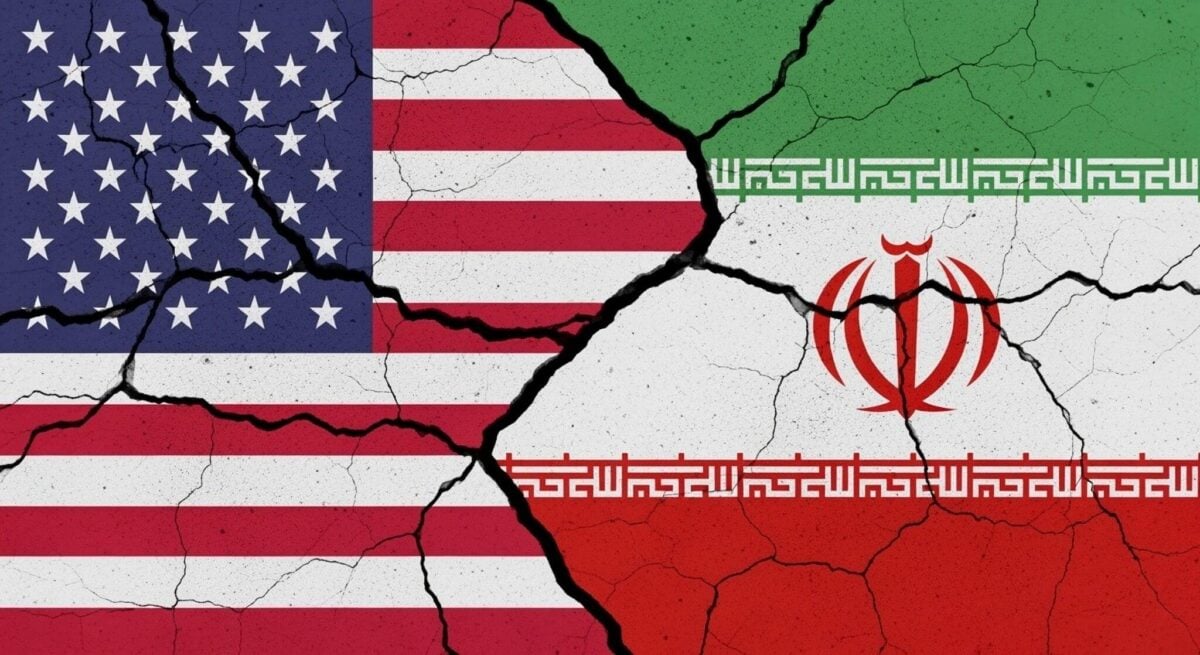
Key Points
- Tehran is evaluating potential attacks against American military installations across Europe should hostilities intensify
- Potential targets include facilities in Bulgaria and Cyprus, particularly the Bezmer airbase
- Iranian military planners have explored striking underwater communication infrastructure in the Strait of Hormuz
- Diplomatic efforts to reopen critical shipping lanes in the Strait of Hormuz have collapsed, with Trump confirming no scheduled discussions
- Security analysts characterize the European threat as “genuine but constrained” given missile technology limitations
According to regime sources who briefed the Financial Times, Tehran is actively evaluating military options against American installations in Europe should President Donald Trump authorize further military action.
Sources within Iran’s leadership structure indicate military planners have identified American assets across southeastern Europe for potential strikes, with particular attention to Bulgaria following its recent authorization permitting the Bezmer airbase to support US aircraft refuelling operations.
The Mediterranean island of Cyprus has also emerged as a consideration. A British installation there sustained drone damage in March, with Western intelligence agencies attributing the attack to Iranian-manufactured equipment deployed through proxy networks.
Critical Waterway Remains Flashpoint
Military strategists in Tehran have additionally explored disrupting subsea communications infrastructure within the Strait of Hormuz should the confrontation intensify.
Diplomatic channels aimed at restoring normal passage through the strategic waterway have reached an impasse. Trump stated Tuesday that Washington has “no talks or conversations going on, or scheduled” with Iranian counterparts.
A previously negotiated June framework between Washington and Tehran disintegrated last month following Iranian attacks on commercial shipping. Each government blamed the other for breaching terms, triggering reciprocal military strikes and Washington’s reimposition of naval restrictions on Iranian maritime commerce.

The Trump administration has pledged to eliminate Iranian infrastructure—including bridges and power generation facilities—each time Tehran interferes with shipping operations in the waterway.
Tehran’s Strategic Calculus
A senior Iranian source indicated Tehran would impose “no restrictions” on its military response should Washington pursue aggressive action. “Should the US go too far, Iran will defend itself at any price, go beyond the region and hit Europe too,” the source stated.
The Islamic Revolutionary Guard Corps has publicly declared that any military installation facilitating attacks on Iranian soil constitutes a legitimate military objective. This statement specifically addressed British facilities potentially supporting American operations.
Tehran has demonstrated long-range strike capability. Earlier this year, Iranian forces launched numerous missiles toward Diego Garcia, a combined US-UK installation in the Indian Ocean approximately 4,000km distant, though none successfully struck their intended targets.
Turkish authorities reported in March that NATO air defence systems successfully intercepted several ballistic missiles originating from Iranian territory.
Sidharth Kaushal, conducting research at the Royal United Services Institute, characterized the European threat as “real, but limited.” Tehran possesses medium-range ballistic capabilities sufficient to reach American positions in southeastern Europe, though precision and warhead effectiveness diminish considerably at extended distances.
Douglas Barrie from the International Institute for Strategic Studies acknowledged Iranian weapons systems with effective ranges exceeding 2,000km, while emphasizing substantial risks of technical malfunction or defensive interception.
Iran’s supreme leadership recently promoted hardline officials to critical security and military positions. Mohsen Rezaei, previously commanding Guards forces, assumed the nation’s highest security portfolio—a transition analysts interpret as abandoning diplomatic solutions.
Growing sentiment within Tehran’s power structure holds that Washington cannot be relied upon to honor negotiated agreements, necessitating increased military pressure to compel American compliance with international obligations.
Get 3 Free Stock Ebooks
Discover top-performing stocks in AI, Crypto, and Technology with expert analysis.
- Top 10 AI Stocks - Leading AI companies
- Top 10 Crypto Stocks - Blockchain leaders
- Top 10 Tech Stocks - Tech giants


