


Key Points
- Three presidential proclamations establish 50% import duties on select Canadian products including vehicles, dairy goods, and alcoholic beverages
- Implementation date set for 30 days from signing, affecting products ranging from spirits to sporting equipment and construction materials
- Import duties extend to items traditionally shielded by USMCA trade provisions
- Petroleum products, potash, seafood, and strategic minerals receive exemptions
- Canadian Prime Minister Carney expressed willingness to escalate diplomatic engagement
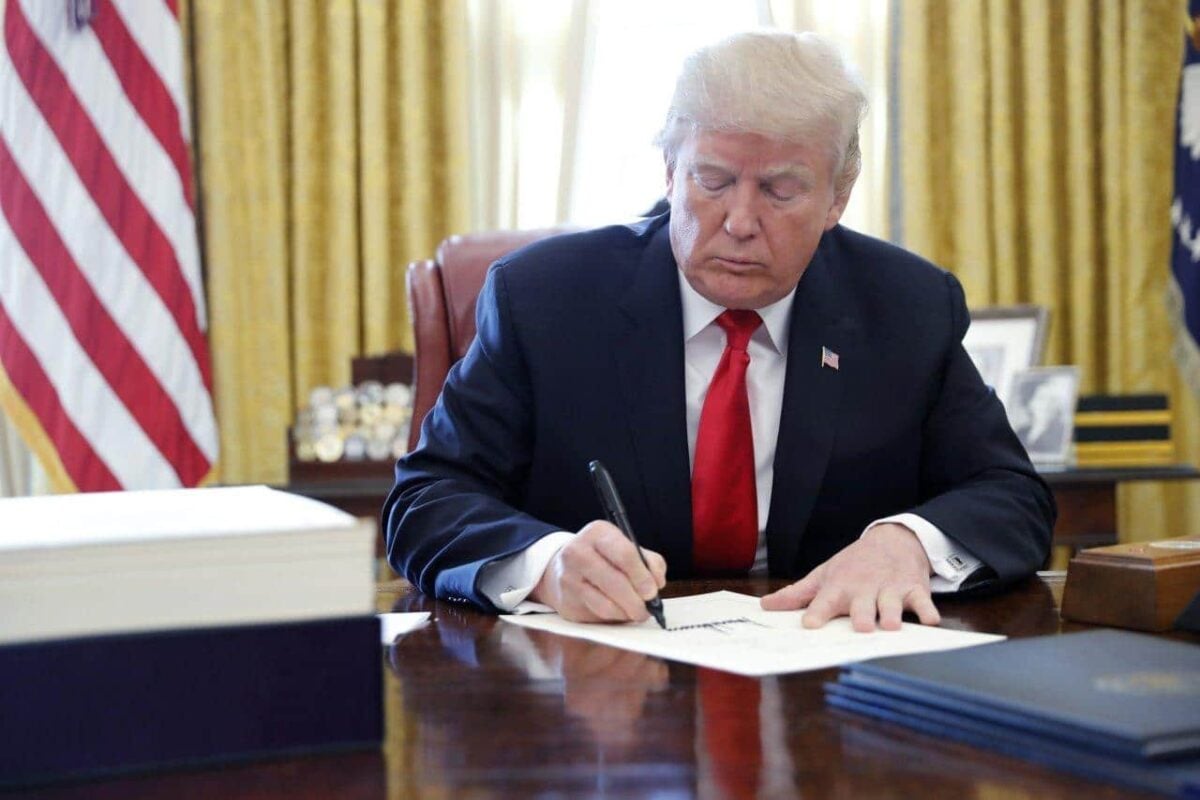
The White House announced Monday that President Trump has authorized three separate proclamations establishing substantial import duties on various Canadian products. The new 50% tariff structure encompasses numerous items including alcoholic beverages, construction materials, and sporting goods.
Implementation is scheduled to begin in one month. The legal framework relies on Section 338 of the Tariff Act of 1930, an infrequently invoked statute permitting tariff rates reaching 50%.
White House officials characterized the decision as a reaction to alleged “persistent discrimination” by Canadian authorities against American products. US Trade Representative Jamieson Greer outlined concerns including removal of American alcohol products from Canadian retail locations, barriers to US automotive exports, and preferential dairy market access granted to European Union suppliers over American competitors.
The Trump White House emphasized that among all trading partners, only Canada and China have implemented counter-measures against 2025 US tariff actions.
A significant departure from previous policy involves applying these tariffs to merchandise covered by the US-Mexico-Canada Agreement. Earlier tariff implementations typically exempted USMCA-protected categories.
Documentation for the automotive sector proclamation spanned 18 pages of affected merchandise. Senior administration officials indicated the comprehensive scope extends from wine products to hockey equipment to building materials.

Exempted Categories Under New Policy
Certain sectors remain unaffected by the new measures. Oil products, potash, seafood, and strategic minerals maintain exemption status. Products currently subject to national security-based tariffs, including steel and numerous automotive components, fall outside this new framework.
The Canadian Chamber of Commerce termed the action a “disappointing escalation” while recognizing the 30-day implementation period as a window for diplomatic advancement. Chamber President Candace Laing encouraged both nations to utilize this timeframe for substantive discussions.
Prime Minister Mark Carney stated Canada’s readiness to strengthen dialogue efforts. He characterized the tariffs as part of a pattern of American actions contradicting USMCA obligations, noting that Canadian responses have simply mirrored US initiatives within Canada’s treaty rights.
Diplomatic Window Remains Open
Administration officials indicated continued dialogue remains possible during the pre-implementation period. The two nations also face upcoming discussions regarding USMCA renewal, following its expiration earlier this summer.
Direct bilateral meetings have not been arranged between US and Canadian officials. Meanwhile, discussions with Mexico have shown greater momentum, with another negotiation round scheduled this week.
The tariff declaration followed Trump and Carney’s encounter at the World Cup championship match in New Jersey by one day. Trump had previously raised tariff threats connected to wildfire smoke concerns over the weekend, though Monday’s measures addressed different trade matters.
The Distilled Spirits Council expressed disappointment that the alcohol trade dispute advanced to this stage, cautioning that aggressive tariff rates risk triggering additional retaliation affecting American hospitality sectors.
Legal experts anticipate court challenges given the reliance on Depression-era legislation for these measures.
Get 3 Free Stock Ebooks
Discover top-performing stocks in AI, Crypto, and Technology with expert analysis.
- Top 10 AI Stocks - Leading AI companies
- Top 10 Crypto Stocks - Blockchain leaders
- Top 10 Tech Stocks - Tech giants


