


Key Highlights
- U.S. President issues bombing warning to Oman for potential interference in Iran peace negotiations
- Ceasefire agreement between Washington and Tehran lapsed Monday without successor arrangement
- Vessel movement through Strait of Hormuz plummeted dramatically, reaching zero on Sunday
- President acknowledges secret communication channel with Iran’s Revolutionary Guard
- Oil prices: Brent crude trading at $88.91 per barrel Monday
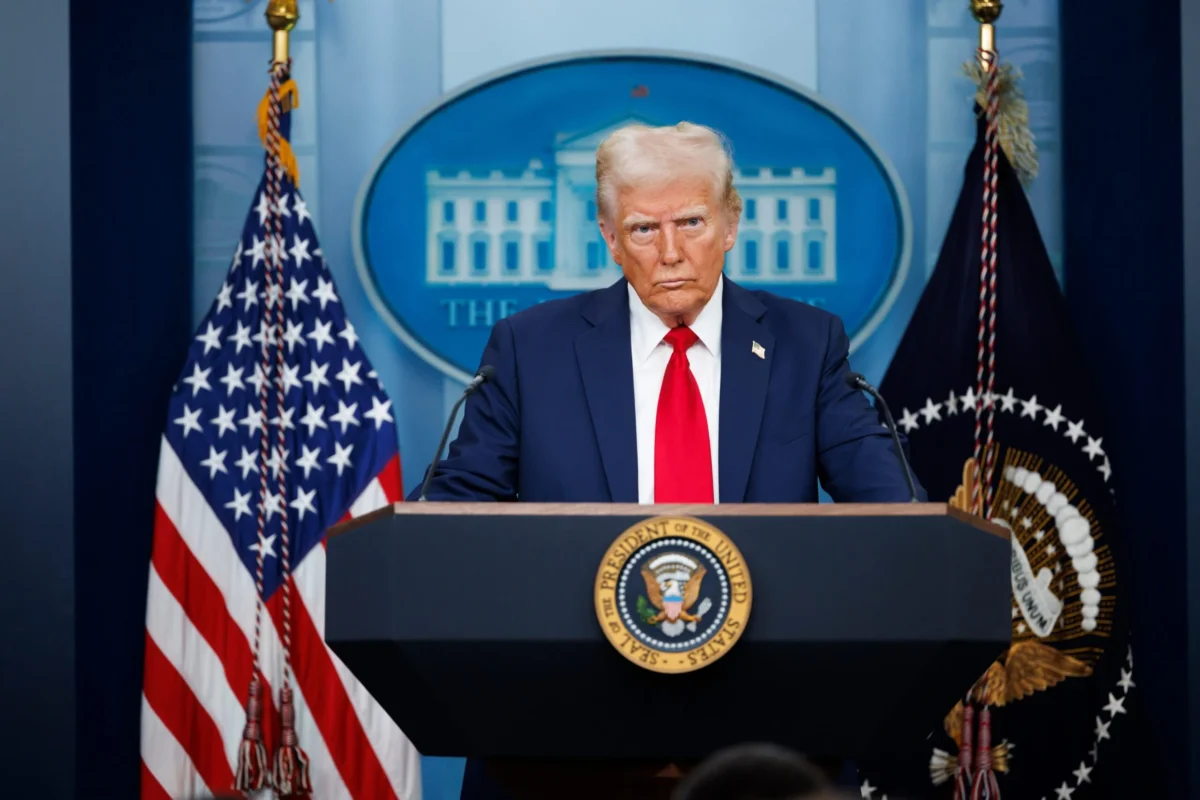
The U.S. President issued a stark military warning to Oman on Monday following the nation’s engagement in separate negotiations with Iran regarding the Strait of Hormuz. This declaration arrived as a temporary truce arrangement between Washington and Tehran reached its expiration date.
BREAKING: 🇺🇸🇴🇲Trump says the US will bomb Oman if it gets in the way, Fox News reports.
The warning comes as Oman negotiates with Iran over jointly controlling navigation through the Strait of Hormuz.
The threat now could widen the Iran war and trigger another surge in oil… pic.twitter.com/quoiw8N3bh
— Coin Bureau (@coinbureau) August 17, 2026
In an interview with Fox News, the President stated he would launch devastating strikes against Oman should the country obstruct American diplomatic initiatives with Iran. He simultaneously acknowledged the existence of a secret communication line with Iran’s Islamic Revolutionary Guard Corps, contradicting Iranian government statements that no direct talks were underway.
BREAKING: President Trump confirms to Fox News’ @TreyYingst there is a backchannel with Iran Revolutionary Guard officials, says he’s in “no hurry” — and warns, “If Oman gets in the way, we’ll bomb the s— out of them”
— Fox News (@FoxNews) August 17, 2026
The temporary truce arrangement, initially established in June, has essentially disintegrated after multiple incidents targeting maritime vessels in the Strait of Hormuz. The two-month accord concluded Monday without any replacement framework secured.
Maritime Activity Through Critical Waterway Collapses
Vessel passage through the strategic strait has experienced a dramatic decline. Maritime data from Kpler reported by Reuters shows only five cargo ships transited on Saturday, with zero crossings recorded Sunday. The previous weekend witnessed 31 vessels successfully navigating the passage.
Prior to military operations conducted by the United States and Israel against Iran in late February, the waterway accommodated over 130 vessels daily. This critical chokepoint handles approximately one-fifth of global oil and liquefied natural gas transportation.
Maritime operations deteriorated further following last week’s incidents involving three tankers operated by the Abu Dhabi National Oil Company. The United Arab Emirates officially acknowledged these attacks occurred.

Tehran indicated it had engaged in discussions with Muscat regarding the reopening of shipping lanes through the strait. Both nations maintain coastlines along this vital passage, providing them considerable strategic influence over maritime access.
Washington Indicates Extended Military Deployment
American officials have indicated the possibility of maintaining their naval blockade operations around Iranian harbors for an extended period. This position has reduced optimism for a swift diplomatic settlement with Tehran.
The President informed his supporters he intends to proclaim the Strait of Hormuz “a territory of the United States” following the conclusion of hostilities with Iran. Iran’s Deputy Foreign Minister dismissed this assertion, declaring the waterway “will be opened and closed only under Iran’s command.”
In a social media post Monday, the President emphasized that preventing Iran from obtaining nuclear weapons remains “the number one Goal” of the conflict and “always will be.”
The President also indicated he is “in no hurry” regarding Iran, signaling the confrontation may persist indefinitely. Diplomatic advancement has shown minimal progress since the June framework deteriorated.
Brent crude futures stood at $88.91 per barrel during Monday trading, registering a modest increase.
Get 3 Free Stock Ebooks
Discover top-performing stocks in AI, Crypto, and Technology with expert analysis.
- Top 10 AI Stocks - Leading AI companies
- Top 10 Crypto Stocks - Blockchain leaders
- Top 10 Tech Stocks - Tech giants


