


Key Highlights
- TUI refined its 2026 underlying EBIT forecast to a range of €1.2bn-€1.3bn, tightening from the previous €1.1bn-€1.4bn projection
- Shares declined approximately 1.93% in Tuesday’s session, trailing behind the broader DAX index
- Revenue projections remain on hold amid continued uncertainty from Middle East geopolitical tensions
- Consumer booking patterns have shifted toward shorter lead times, while jet fuel expenses climb due to the U.S.-Israeli conflict with Iran
- Capacity reservations in key German and British markets increased 1% compared to the mid-August reporting period
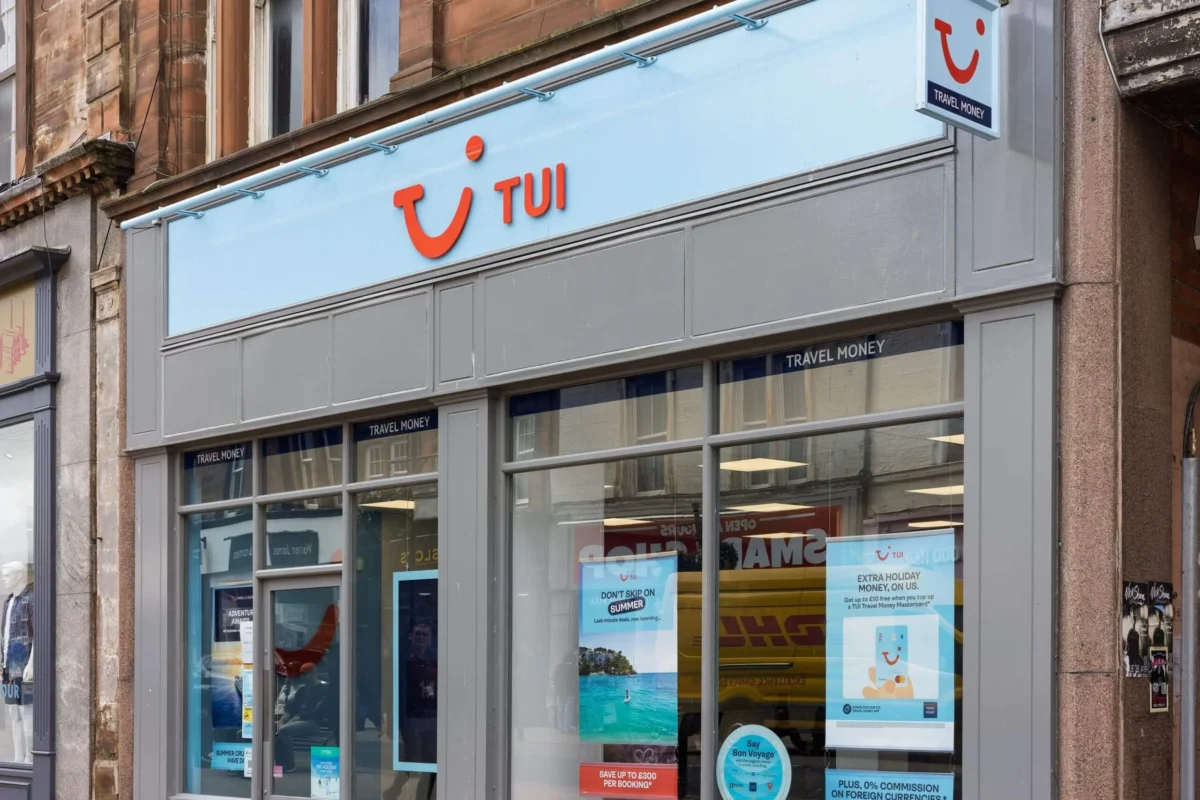
TUI stock retreated 1.93% during Tuesday’s morning trading session following the travel operator’s decision to tighten its annual earnings projection, citing evolving booking behaviours linked to persistent Middle Eastern geopolitical instability.
The German travel conglomerate has adjusted its 2026 underlying earnings before interest and taxes (EBIT) target to between €1.2 billion and €1.3 billion ($1.38bn-$1.49bn) on a constant currency basis. This represents a refinement from the earlier guidance spanning €1.1 billion to €1.4 billion.
Although the updated projection narrows the window, it establishes a higher minimum threshold for anticipated annual earnings.
The company initially revised its profit expectations downward and withdrew revenue projections in March, following the escalation of U.S.-Israeli military operations against Iran that commenced in late February. Revenue forecasts continue to be withheld.

The ongoing military conflict has driven jet fuel prices upward, creating additional cost burdens that aviation companies have found challenging to transfer to consumers.
Travellers have become increasingly hesitant about committing to advance reservations, resulting in a pronounced trend toward last-minute bookings. TUI indicated this booking behaviour is persisting into its winter 2026/27 operating period.
Notwithstanding the altered booking timeline, TUI reported that travel demand heading into the fourth quarter remains robust. The organization has been proactively adjusting capacity levels to maintain operational agility as consumer preferences evolve.
Reservation Patterns and Market Appetite
Reserved capacity throughout TUI’s primary German and UK operations climbed 1% following the company’s August 12 business update. Nevertheless, aggregate bookings across all business segments have declined when measured against comparable year-ago levels.
Market observers highlighted a recent acceleration in forward booking activity, which may have enabled TUI to refine rather than further reduce its guidance parameters.
Average transaction values within the airline division are maintaining stability, TUI noted, representing an encouraging indicator for revenue integrity despite softer booking volumes.
Holiday Experiences Segment Demonstrates Resilience
TUI’s Holiday Experiences business unit, encompassing hotel properties and cruise operations, has delivered a solid performance during the initial half of fiscal year 2027. The company attributed this success to its strategic asset optimization approach and ongoing expansion of its accommodation and maritime offerings.
Consumer demand within this segment is materializing at elevated price points, offering partial insulation against softer airline reservation numbers.
TUI also disclosed information regarding its jet fuel hedging strategy, designed to mitigate financial exposure from the surge in petroleum-based fuel costs.
Operational efficiency initiatives and expense reduction programmes have additionally supported the company’s efforts to protect profit margins, according to TUI.
The travel operator noted that it has strategically reduced flight availability in certain markets as part of its broader capacity optimization framework.
TUI plans to release its complete fiscal 2026 financial results on December 9.
Get 3 Free Stock Ebooks
Discover top-performing stocks in AI, Crypto, and Technology with expert analysis.
- Top 10 AI Stocks - Leading AI companies
- Top 10 Crypto Stocks - Blockchain leaders
- Top 10 Tech Stocks - Tech giants


