


Key Takeaways
- Jet fuel costs dropped from $4.88 per gallon in April to approximately $2.70–$2.85 by mid-June 2026
- Carriers are channeling fuel cost reductions into margin recovery rather than passenger savings
- The US airline industry reported Q1 2026 losses exceeding $1 billion; recovery remains the priority
- Domestic capacity expansion stands at just 0.4% year-over-year for Q3, suppressing competitive pricing
- International ticket prices continue to exceed last year’s levels by more than 20%
Following a diplomatic breakthrough between the U.S. and Iran, jet fuel costs have tumbled significantly, yet American airline passengers shouldn’t expect relief at the ticket counter.
Jet fuel reached its zenith at $4.88 per gallon on April 2, 2026. By the middle of June, prices had plummeted to approximately $2.70–$2.85 per gallon. Should these levels persist, the U.S. aviation sector could realize annual fuel expenditure reductions exceeding $40 billion.
However, carriers insist these cost savings will be directed toward restoring profitability rather than reducing ticket prices.
The Bureau of Transportation Statistics reported that U.S. airlines experienced collective losses of $1 billion during Q1 2026. Since then, carriers have pursued aggressive strategies involving elevated fares and expanded fee structures to offset these deficits.
Ticket prices have increased seven separate times since the Iran crisis erupted in late February. Despite these hikes, airlines haven’t fully compensated for fuel expenditures. Deutsche Bank analysis suggests carriers recovered approximately 60 cents for each additional dollar allocated to fuel.

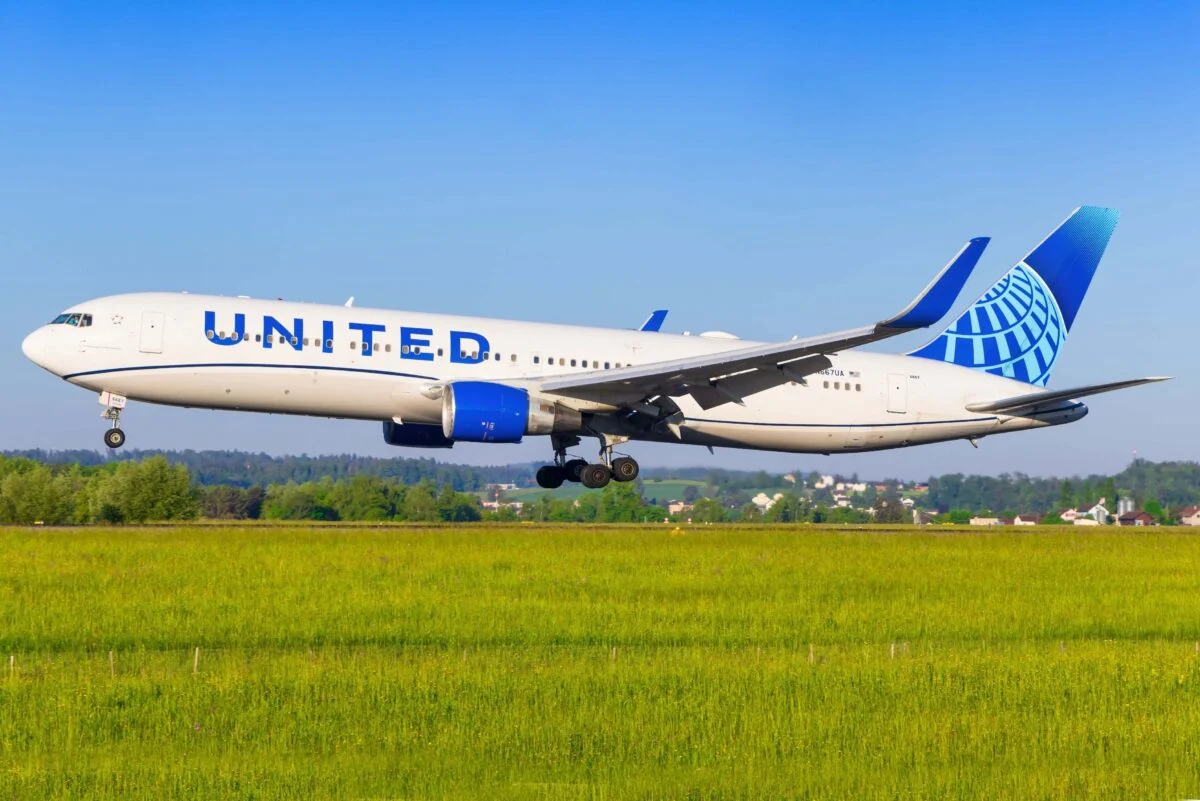
Alaska Air managed to recoup roughly one-third of its elevated fuel expenses. Delta, United, and American Airlines each recovered between 40% and 50%. JetBlue and Frontier saw recovery rates below half.
American Airlines Group Inc., AAL
United CEO Scott Kirby informed Reuters that his carrier expects to achieve 100% fuel cost recovery through pricing adjustments by year’s end.
The Economics Behind Sustained High Fares
Carriers face minimal incentive to reduce ticket prices under current market conditions. Consumer demand has remained robust despite significant price escalations.
“Despite substantial fare increases, we’ve observed zero decline in passenger demand,” Southwest CEO Bob Jordan stated at a Bernstein investor conference in May.
Aviation analyst Michael Boyd offered a straightforward assessment: “When consumers demonstrate willingness to pay premium prices, there’s no business rationale for price reductions.”
Raymond James data indicates that average domestic fares purchased one week prior to departure increased 34.1% year-over-year as of June 8.
Capacity constraints also play a crucial role. U.S. domestic seat availability is expanding by merely 0.4% year-over-year in Q3, a dramatic reduction from the 4.6% growth projected before the Iran conflict emerged. Aircraft manufacturing delays combined with Spirit Airlines’ May shutdown have diminished competitive pressures.
J.P. Morgan analysts noted these market dynamics minimize the likelihood of widespread pricing battles, providing carriers greater latitude to maintain current fare structures.
Outlook for Air Travelers
International fares averaged $980 as of June 8, declining from May’s peak of $1,105 yet remaining more than 20% elevated compared to the corresponding period last year.
According to the International Air Transport Association, jet fuel still costs 54% more than a year ago, despite recent price corrections.
Globally, fare trajectories will differ by region. European long-distance routes may experience modest reductions. Short-haul European pricing could remain stable. Asian carriers confront softer pricing environments, though Cathay Pacific maintains a competitive advantage.
Jefferies projects that a 5% reduction in fuel expenses would boost earnings per share by 10–15% for Delta, Southwest, and United, with potential increases reaching 50% for American Airlines.
Currently, airlines remain committed to financial recovery. Any future fare reductions will likely correlate more closely with consumer demand softening than with fuel price fluctuations.
Get 3 Free Stock Ebooks
Discover top-performing stocks in AI, Crypto, and Technology with expert analysis.
- Top 10 AI Stocks - Leading AI companies
- Top 10 Crypto Stocks - Blockchain leaders
- Top 10 Tech Stocks - Tech giants


