


Key Takeaways
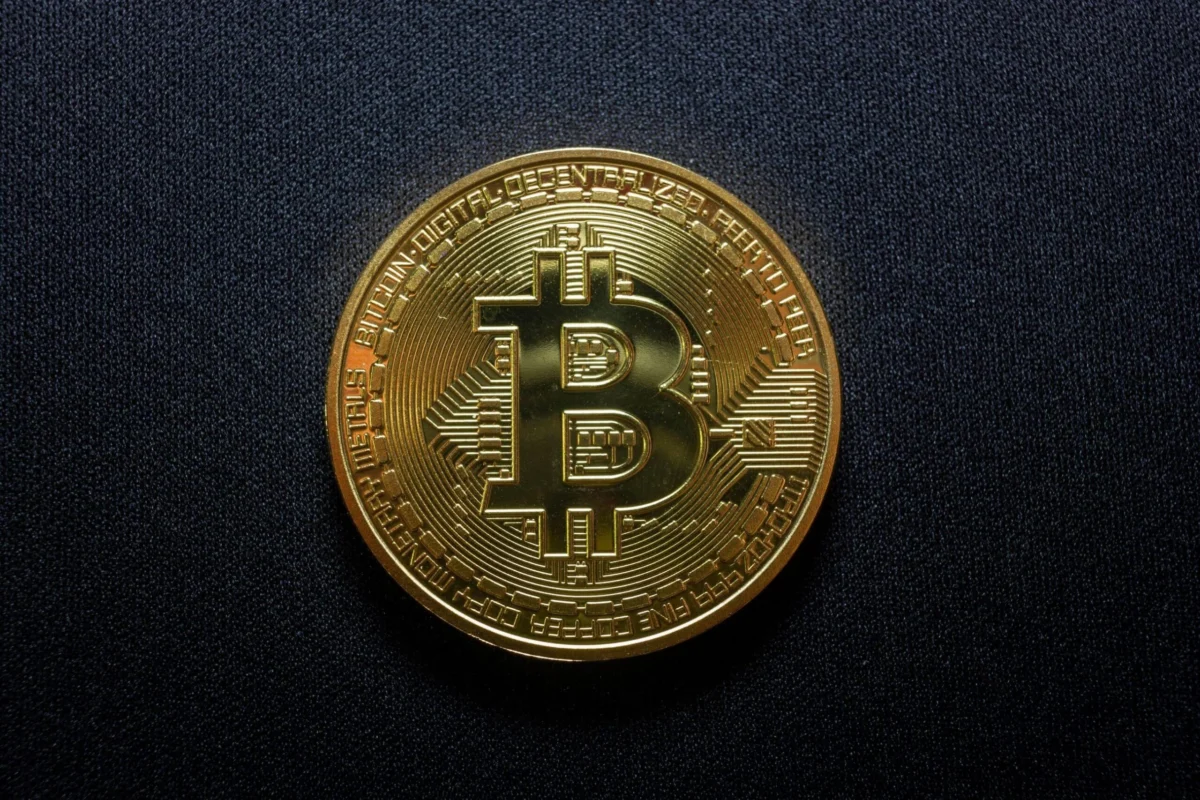
- An uncommon 25-bitcoin Casascius physical token from the 2011–2013 series had its security hologram peeled off recently.
- The 25 BTC contained within, valued at approximately $1.78 million, were transferred on the blockchain for the first time in more than 12 years.
- Confirmation of the redemption occurred in Bitcoin block 952,159, which was mined by AntPool, with a transaction fee totaling only $2.79.
- On-chain records reveal that merely 0.01 BTC was transmitted outward — while 24.99 BTC remained at the initial address, indicating the holder was likely validating the private key.
- This activity aligns with additional dormant Bitcoin movements, including a wallet from 2011 that transferred 35 BTC following 15 years of inactivity.
A physical Bitcoin token valued at $1.78 million was unsealed this week after remaining untouched for more than ten years — here’s the full breakdown of what transpired and its significance for collectors and cryptocurrency observers.
Understanding Casascius Physical Bitcoins
Casascius physical tokens were tangible cryptocurrency items produced by software developer Mike Caldwell during the period spanning 2011 through 2013. Every token contained an authentic Bitcoin private key concealed beneath a security hologram affixed to its reverse side.
These collectibles were manufactured in various denominations, from as little as 0.5 BTC up to 1,000 BTC. Caldwell produced under 20 units of the 1,000 BTC denomination — each currently valued at roughly $66 million based on today’s market rates.
These tokens represented an early cold storage solution during an era before hardware wallets became commonplace. Manufacturing materials varied from solid brass construction to gold-plated commemorative bars.
Production ceased in late 2013 when the U.S. Financial Crimes Enforcement Network informed Caldwell that his operations constituted unlicensed money transmission activity.
The Unsealing Event
On June 2, a 25-bitcoin Casascius token from the initial 2011–2013 production run had its protective hologram seal removed. Confirmation of the transaction appeared in Bitcoin block 952,159, which was processed by AntPool.

The network fee for the redemption amounted to merely $2.79 — a negligible expense to access $1.78 million in Bitcoin holdings.
The redemption procedure is simple yet permanent. Removing the hologram exposes a private key printed on an interior card. The holder then imports this key into a Bitcoin wallet application to access the cryptocurrency. After hologram removal, a distinctive honeycomb residue remains visible, and the coin permanently loses its collectible premium.
Blockchain records identified by Galaxy Research indicate the holder transmitted only 0.01 BTC to a different address. The balance of 24.99 BTC continued residing at the original Casascius address.
This pattern strongly suggests the holder was conducting a verification test of the private key functionality rather than executing a complete fund transfer.
Collectible Value of Unsealed Versus Sealed Coins
Untouched Casascius tokens generally command prices exceeding their nominal Bitcoin value. Enthusiasts willingly pay significant premiums for the physical collectible when the security hologram remains intact.
By unsealing this token, the holder transformed a potentially higher-value collectible artifact into pure Bitcoin holdings. Thousands of Casascius tokens across all denominations remain unredeemed to this day.
The Casascius initiative also sparked creation of additional physical Bitcoin projects, including Lealana, Denarium, and BTCC brands. However, Casascius maintains its position as the most sought-after among collectors.
Additional Vintage Bitcoin Wallet Activity
This redemption occurred during a notable week for vintage Bitcoin wallet movements. A different wallet created in 2011 transferred 35 BTC following 15 years of dormancy.
The identity of this Casascius coin holder remains undisclosed.
At the moment of redemption, Bitcoin was trading at approximately $65,219 — representing a decline of roughly 3.3% over the preceding 24-hour period.
Get 3 Free Stock Ebooks
Discover top-performing stocks in AI, Crypto, and Technology with expert analysis.
- Top 10 AI Stocks - Leading AI companies
- Top 10 Crypto Stocks - Blockchain leaders
- Top 10 Tech Stocks - Tech giants


