


Quick Summary
- Three Chinese carriers—Air China, Shenzhen Airlines, and Hainan Airlines—have committed to purchasing 95 Airbus aircraft with a combined list value of $17.8 billion.
- Air China’s order includes 15 A350-900 long-range jets, while Shenzhen Airlines selected 40 A320neo aircraft for domestic and regional routes.
- Aircraft deliveries will commence in 2028 and continue through 2032 for all participating airlines.
- Despite facing financial pressures including elevated fuel expenses and projected losses, Chinese carriers are aggressively modernizing their fleets following pandemic recovery.
- The European aircraft manufacturer continues to outpace Boeing in capturing Chinese airline business, with multiple significant contracts secured this year.
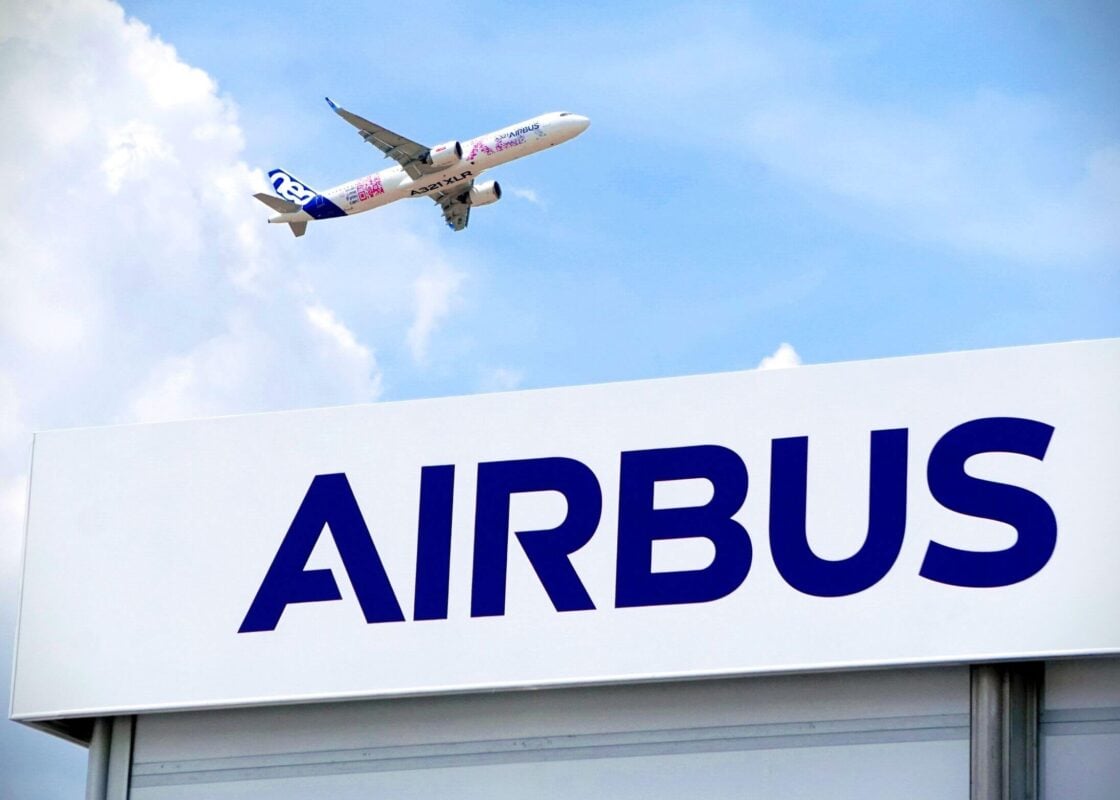
Airbus celebrated a substantial commercial victory on Friday when three major Chinese airline groups finalized agreements to acquire 95 aircraft with a combined catalog value of $17.8 billion, further solidifying the European manufacturer’s competitive advantage over Boeing in China’s critical aviation sector.
According to regulatory filings, Air China has committed to acquiring 15 A350-900 wide-body aircraft, representing approximately $6.09 billion in list pricing according to Airbus‘s January 2025 catalog. The delivery schedule for these long-haul jets spans from 2030 through 2032.
In a separate transaction, Shenzhen Airlines—operating as a subsidiary of Air China—will receive 40 narrow-body aircraft from the A320neo family. This portion of the agreement carries a catalog price of roughly $6.35 billion using January 2024 list figures, with deliveries planned between 2029 and 2032.
Hainan Airlines rounds out the tri-carrier agreement with its own commitment to 40 A320neo aircraft, scheduled for delivery during the 2028-2032 timeframe.

Air China disclosed in its Shanghai Stock Exchange filing that the final transaction prices will be substantially lower than list values, consistent with industry-standard volume discounts that aircraft manufacturers typically extend for bulk purchases.
Financing for these acquisitions will draw from multiple sources, including corporate reserves, traditional banking credit facilities, and alternative financing mechanisms, according to both Air China and Shenzhen Airlines.
Fleet Expansion Continues Despite Financial Challenges
The substantial aircraft commitments arrive during a period of financial strain for Chinese aviation companies. Air China recently disclosed expectations of a net loss reaching 2.6 billion yuan during the first half of 2026, attributing the shortfall primarily to escalating fuel costs that continue pressuring industry profitability.
Market conditions have presented additional complications. According to IATA analysis, ticket price volatility, adverse weather patterns, and broader economic uncertainty have created headwinds for passenger traffic in recent reporting periods. Nevertheless, China maintains its position as the globe’s second-largest passenger aviation market, processing 776.1 million travelers throughout 2025—representing a 4.8% increase compared to 2024 figures.
Despite these challenges, airlines are proceeding with strategic fleet renewal initiatives designed to replace aging aircraft, enhance fuel efficiency standards, and refine route network capabilities. The A350-900 serves long-distance international routes effectively, while the A320neo family directly competes with Boeing‘s 737 MAX on medium-range domestic and regional services.
Boeing’s Market Position Weakens in Chinese Territory
Friday’s announcement represents the latest in a series of significant Airbus contract wins within China during the current year. China Eastern Airlines announced plans in recent weeks to purchase 25 A330neo aircraft valued at approximately $9.35 billion, building on a March commitment for 101 A320neo jets worth roughly $15.8 billion.
April brought another major Airbus success when China Southern Airlines and its affiliate Xiamen Airlines finalized agreements for 137 aircraft totaling $21.4 billion.
Meanwhile, Boeing has encountered considerable difficulty matching Airbus’s momentum in securing new contracts from Chinese carriers.
The 55-aircraft commitment from Air China and Shenzhen Airlines follows an already robust July order period that witnessed Air China, China Eastern, China Southern, and Shenzhen Airlines collectively placing orders for 292 A320-family aircraft from Airbus earlier in the month.
Get 3 Free Stock Ebooks
Discover top-performing stocks in AI, Crypto, and Technology with expert analysis.
- Top 10 AI Stocks - Leading AI companies
- Top 10 Crypto Stocks - Blockchain leaders
- Top 10 Tech Stocks - Tech giants


